
Best Tattoo Machine for Beginners: What Apprentices Should Look For
November 23, 2026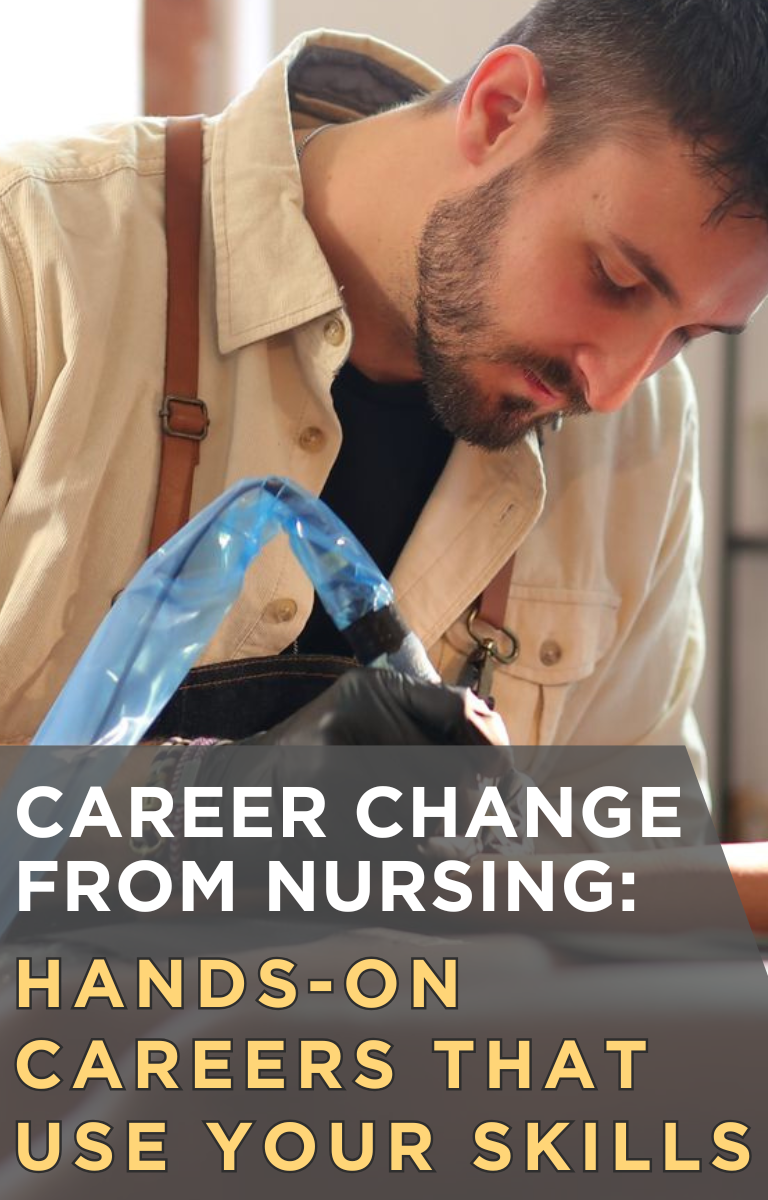
In This Article
- Key Takeaways
- Why Are So Many Nurses Thinking About a Career Change?
- Which Nursing Skills Transfer to Hands-On Careers?
- Why Does Tattooing Fit Former Nurses So Well?
- How Do You Start a Tattoo Career After Nursing?
- What Can You Expect From the Traditional Tattoo Apprenticeship?
- How Does This Build a Career With Real Confidence?
- What If You Want to Go Further, Faster?
- Is Tattoo Training Accessible No Matter Where You Live?
- Ready to Make the Change?
- FAQ
Nurses who want a career change often look for work that still uses their hands, their clinical judgment and their way with people, without the burnout. Tattooing is one strong option. Sterile technique, bloodborne pathogens knowledge, steady fine motor control and a calm bedside manner all carry over directly. Most new Tattoo Artists spend months learning those habits. Nurses walk in with them.
Many nurses are weighing their options. According to the National Council of State Boards of Nursing, 40% of registered nurses surveyed in its 2024 National Nursing Workforce Study reported plans to leave the profession within the next five years. Below, we look at why nurses leave, which skills transfer and how to start a tattoo career.
Key Takeaways
- Many nurses are considering a change: In NCSBN’s 2024 study, 40% of RNs reported plans to leave within five years.
- Your skills transfer: Infection control, steady hands and patient communication are core tattooing skills.
- Medical tattooing is a real specialty: Some Tattoo Artists restore areolas for breast cancer survivors after reconstruction.
- Timeline: Ink Different’s Traditional Tattoo Apprenticeship runs 18 to 24 months across four phases.
- No art degree needed: The Traditional Tattoo Apprenticeship starts with drawing and design fundamentals.
Why Are So Many Nurses Thinking About a Career Change?
Stress, burnout, heavy workloads and understaffing push many nurses to look elsewhere.
The numbers back that up. More than 138,000 nurses left the workforce between 2022 and 2024, citing stress, burnout and retirement as key reasons, according to NCSBN’s April 2025 announcement of its 2024 study. The same study found that 20% of RNs changed work settings in 2024, up from 16% in 2022.
Leaving bedside nursing doesn’t mean leaving behind everything you’re good at. Precision, composure and care for people are valuable in many hands-on fields, including creative trades.
Which Nursing Skills Transfer to Hands-On Careers?
Sterile technique, fine motor control, patient communication and composure under pressure transfer especially well to tattooing.
- Infection control: You already understand cross-contamination, PPE and the OSHA Bloodborne Pathogens Standard. That same standard applies to workers with occupational exposure in tattoo studios, and many states require tattoo-specific training too, as this guide to bloodborne pathogens certification for Tattoo Artists explains.
- Steady hands: Starting IVs and handling small instruments build the same fine motor control a clean tattoo line requires.
- Bedside manner: Calming a nervous client is a lot like reassuring a nervous patient.
- Attention to detail: Accurate charting translates to careful stencil placement and consistency.
- Stamina: Long, focused tattoo sessions are familiar territory after 12-hour shifts.
- Aftercare education: Explaining wound care is second nature, and it’s a big part of every tattoo appointment.
If you’re wondering whether a creative path can support you financially, these creative careers that pay well show how different options compare.

Why Does Tattooing Fit Former Nurses So Well?
Tattooing combines hands-on skill, personal connection and strict hygiene, with more control over your schedule and style.
As a nurse, you cared for people at vulnerable moments. Tattooing also runs on trust. Clients share their stories and their skin, and they need to feel safe.
Some Tattoo Artists even build careers that sit close to healthcare. Ink Different Master Mentor Kara Gutierrez built a career restoring areolas for breast cancer survivors, a specialty explained further in this guide to areola and nipple tattooing after reconstruction.
Pay works differently too. RN median pretax earnings reached $88,000 in 2024, according to NCSBN. Tattoo income varies more, depending on skill, location and client base, but ZipRecruiter puts the average Tattoo Artist salary at $106,858 a year.
Keep in mind: You’re carrying proven skills into a new field, not starting over from nothing.
How Do You Start a Tattoo Career After Nursing?
Join a structured tattoo apprenticeship that teaches drawing, machine handling and tattoo-specific safety, then meet your state’s licensing requirements.
Step 1: Get clear on what you want to change
Name what’s draining you, whether it’s the schedule, the workload or the lack of creative work. If you’re worried about age, it may help to read whether a career change at 50 into a hands-on trade is realistic.
Step 2: Choose real training, not a shortcut
Skip weekend crash courses. Look for structured, in-person mentorship. Knowing the mistakes new apprentices often make helps you avoid them.
Step 3: Build your fundamentals
Drawing, linework, shading, and stencil work come first. No art degree is required. Getting familiar with the tools beginners use helps you feel prepared.
Step 4: Move from practice to real skin
Progress from practice skin to supervised client work under your Mentor.
Step 5: Get licensed
Licensing rules vary by state, from Texas requirements to California’s rules. Check with your state or county health department for your area.
What Can You Expect From the Traditional Tattoo Apprenticeship?
Ink Different’s Traditional Tattoo Apprenticeship runs 18 to 24 months across four phases, with in-person training at one of 60+ tattoo studios nationwide. It’s built for beginners and career changers.
For 15 years, Ink Different has trained aspiring Tattoo Artists. For many career changers, a tattoo apprenticeship is a practical alternative to going back to college.
- Phase 1, Art and Design Principles: Drawing, shading, digital design and building a portfolio.
- Phase 2, Machine Mastery and Practice Tattooing: Hand-control exercises, machine operation, lining, shading and color packing.
- Phase 3, Supervised Tattoos: Tattooing real skin under a Mentor’s direct supervision, where your clinical habits come in handy.
- Phase 4, Junior Artist Externship: Building client relationships and refining your skills while you start earning.
Healthcare backgrounds are common among career changers. Ashley Pietkiewicz, a medical assistant, chose a tattoo apprenticeship for a more creative career.
Our “Good Humans” culture means you join a supportive, family-like community. Interest-free payment plans help make training more accessible.

How Does This Build a Career With Real Confidence?
You’ll finish with job-ready skills, licensing support and a guaranteed job offer at one of Ink Different’s own tattoo studios.
Your healthcare background keeps paying off after training. You’ll explain aftercare clearly, using guidance like the American Academy of Dermatology’s tips for caring for tattooed skin, and you’ll know when to send a client to a healthcare provider.
What If You Want to Go Further, Faster?
Ink Different’s one-year, in-person Master Mentorship lets you train with celebrity and award-winning Master Mentors to master a style, grow your career or open your own tattoo studio.
For former nurses drawn to medical tattooing, training with a Master Mentor like Kara Gutierrez offers a direct look at specialty work that blends tattooing with patient care.
Is Tattoo Training Accessible No Matter Where You Live?
Ink Different offers the Traditional Tattoo Apprenticeship at 60+ tattoo studios nationwide, including Spanish-speaking locations in Denver, Orange County, NYC, Miami, San Antonio and San Diego.

Ready to Make the Change?
You’ve already proven you can learn hard skills, stay calm under pressure, and care for people. Those strengths go with you into a tattoo career. Each Mentor takes just two tattoo apprentices per tattoo studio, so seats fill up quickly.
Ready to become a Tattoo Artist? Apply now to Ink Different’s Traditional Tattoo Apprenticeship and start building a creative career with licensing support along the way.
Frequently Asked Questions
Can a nurse become a Tattoo Artist?
Yes. Sterile technique, steady hands and patient communication give nurses a head start. You’ll still need tattoo training and must meet your state’s licensing rules.
Why are so many nurses leaving the profession?
In NCSBN’s 2024 study, nurses who left cited stress, burnout and retirement, and those planning to leave pointed to stress, burnout, workload and understaffing.
Does my bloodborne pathogens training count for tattooing?
Your knowledge transfers, but many states require tattoo-specific bloodborne pathogens training. Check your state’s requirements.
How long does it take to switch from nursing to tattooing?
Ink Different’s Traditional Tattoo Apprenticeship takes 18 to 24 months across four phases.
Do I need an art degree to start?
No. The Traditional Tattoo Apprenticeship starts with art and design principles.
Is there a medical side to tattooing?
Yes. Some Tattoo Artists specialize in areola restoration and other work for people recovering from surgery.