How to Avoid Needle Cross Lines and Blowouts
November 17, 2026
How to Practice Tattooing Before Your Apprenticeship
November 18, 2026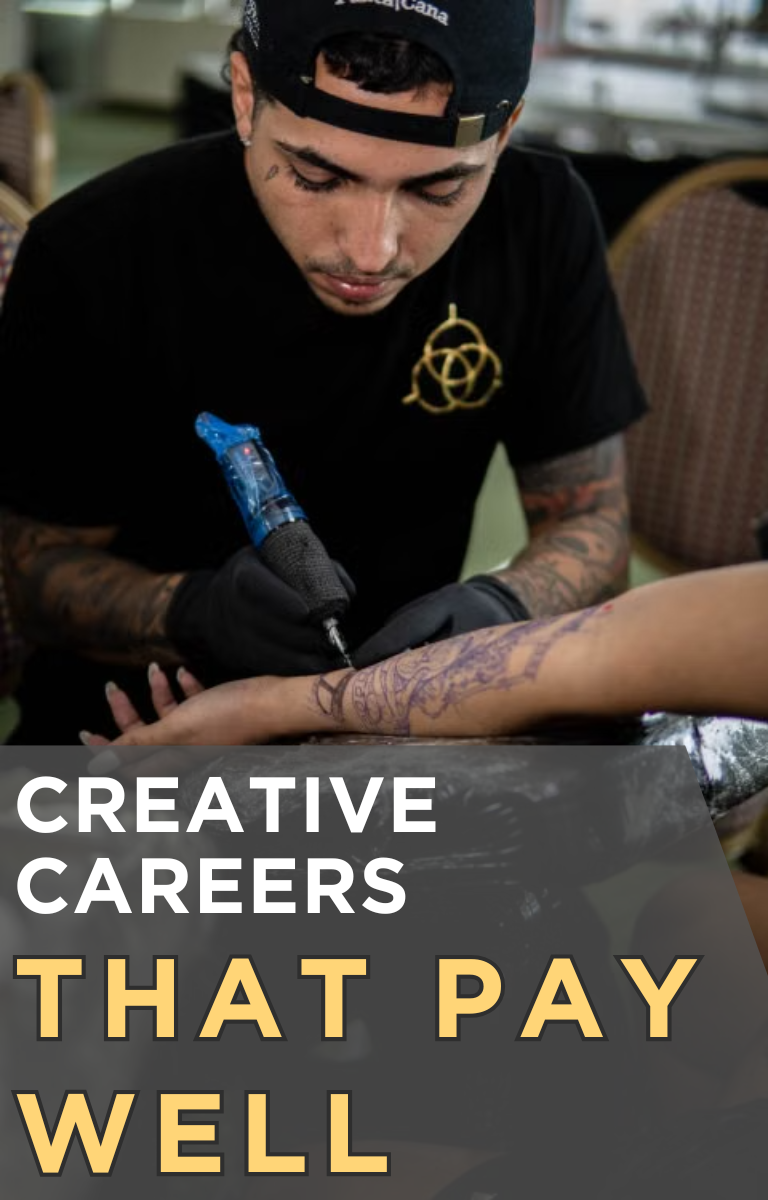
In This Article
- Key Takeaways
- What counts as a creative career that pays well?
- Why do so many creative people feel trapped in jobs they hate?
- Which creative careers actually pay well?
- Why is tattooing one of the best-paying creative careers?
- How do you build a creative career that is AI-proof?
- How do you start a high-paying creative career from scratch?
- What does the Ink Different Traditional Tattoo Apprenticeship offer?
- How can Master Mentorship push your income further?
- Ready to Become a Tattoo Artist?
- FAQ
Creative careers that pay well include art director, web and digital interface (UX/UI) designer, special effects artist and animator, industrial designer and Tattoo Artist. Each one earns well above the national median. Some, like art direction and animation, usually require a bachelor’s degree. Others, like tattooing, are learned through hands-on apprenticeships.
For context, the U.S. Bureau of Labor Statistics reports that the median annual wage for art and design workers was $53,180 in May 2024, higher than the $49,500 median for all occupations. Below, we compare the best-paying creative paths and look at how each one is learned and how well it holds up against AI.
Key Takeaways
- Top earners: Art directors ($111,040), special effects artists and animators ($99,800) and web and digital interface designers ($98,090) lead the BLS medians on this list.
- Tattooing pays well too: ZipRecruiter reports an average professional Tattoo Artist salary of $106,858 a year.
- Degrees vary: Many design roles typically require a bachelor’s degree, while tattooing is learned through an apprenticeship.
- AI pressure differs: Screen-based design faces more automation pressure than hands-on work like tattooing.
- Getting started: Ink Different’s Traditional Tattoo Apprenticeship takes 18 to 24 months, with licensing support.
What counts as a creative career that pays well?
It’s a career where your creative skill earns a reliable, livable income with room to grow, not a hobby funded by a second job.
The “starving artist” idea keeps many talented people in jobs that don’t use their skills. But plenty of creative careers pay above the national median.
Three things tend to separate well-paying creative work from the rest: strong demand for your skill, how hard you are to replace and your ability to build a loyal client base or reputation.
Why do so many creative people feel trapped in jobs they hate?
Many creative people are taught that stability only comes from traditional, non-creative jobs, so they set their talents aside.
The familiar script goes like this: get a degree, take the office job and be grateful. For some people, that works. For others, it leaves their best skills unused.
What usually keeps people stuck:
- Fear: The belief that creative work can’t pay the bills.
- Sunk cost: Feeling they’ve invested too much in their current path to change.
- No roadmap: Not knowing how to turn a skill into a profession.
If that sounds familiar, read why a tattoo apprenticeship is perfect for career changers starting over.

Which creative careers actually pay well?
Here’s how several creative careers compare, using BLS median pay for May 2024. Tattoo Artist pay is a ZipRecruiter average.
- Art Director: Median pay of $111,040, according to the BLS. Many art directors start out in another art-related job, such as fine artist or photographer.
- Special Effects Artist or Animator: Median pay of $99,800, according to the BLS. They typically need a bachelor’s degree in computer graphics, animation, fine arts or a related field.
- Web and Digital Interface (UX/UI) Designer: Median pay of $98,090, according to the BLS. Employment of web developers and digital designers is projected to grow 7% from 2024 to 2034, much faster than average.
- Industrial Designer: Median pay of $79,450, according to the BLS. They typically need a bachelor’s degree.
- Graphic Designer: Median pay of $61,300, according to the BLS, with employment projected to grow just 2% from 2024 to 2034, slower than average.
- Tattoo Artist: An average of $106,858 a year, according to ZipRecruiter as of November 2026. Usually learned through a tattoo apprenticeship rather than a degree.
The pattern is clear: specialized, hard-to-replace skills tend to pay more. Tattooing stands out because it combines strong earning potential with hands-on, person-to-person work.
Why is tattooing one of the best-paying creative careers?
Tattooing combines specialized hands-on skill, direct client relationships, repeat business and work that can’t be outsourced.
As a Tattoo Artist, your reputation builds over time. Happy clients often come back for more work and refer friends. Your income can grow with your skill, style and client base.
The trade-off is that income varies more than in salaried jobs, because it depends on skill, reputation, location and how busy you are. Demand is strong, though. According to Pew Research Center, 32% of Americans have a tattoo, and 22% have more than one.
To grow your client base, explore these platforms to help new and aspiring Tattoo Artists build their brand.
Pro Tip: Professionalism affects income too. Clients trust Tattoo Artists who follow strict safety practices like the OSHA Bloodborne Pathogens Standard, and that trust turns into referrals.
How do you build a creative career that is AI-proof?
Choose creative work that depends on physical skill, human trust and real-world execution, the parts software can’t easily replace.
AI tools can generate images, layouts and design drafts quickly, which is changing the landscape for screen-based creative work. But AI can’t read a nervous client, adjust a design to the curve of someone’s shoulder or tattoo living skin.
That human element is a big part of why Tattoo Artists are still essential.
How do you start a high-paying creative career from scratch?
Learn a specialized craft through structured, hands-on training, then build your skills, reputation and client base over time.
For tattooing, here’s how to begin:
- Commit to the decision. Treat your talent as a profession, with a plan for your time and finances.
- Choose your path. Compare training, pay and outlook in the BLS Occupational Outlook Handbook. For hands-on, people-focused work, tattooing is a strong fit.
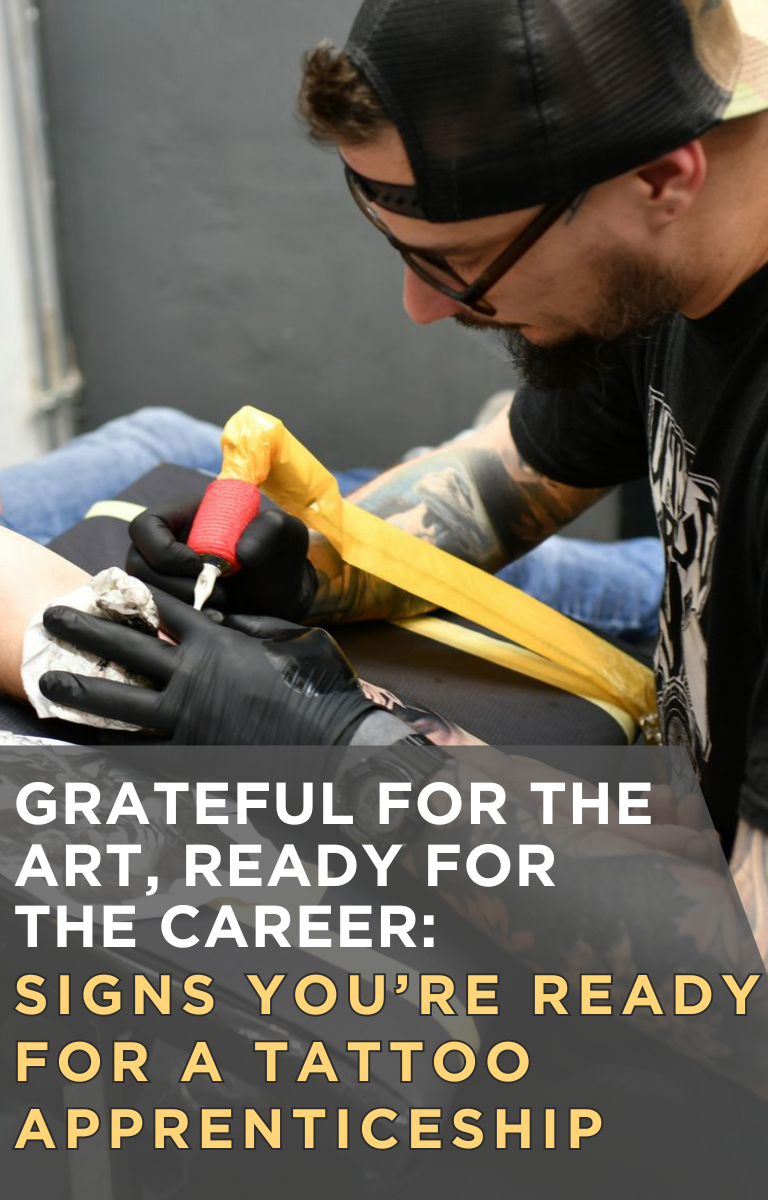
- Find a structured tattoo apprenticeship. Learn the fundamentals from an experienced Mentor instead of guessing on your own.
- Master the foundations. Drawing, linework, machine handling and sanitation come before client work.
- Get licensed and build your brand. Meet your state’s requirements, develop your style and start working professionally.
Before you start, read about the mistakes aspiring tattoo apprentices should avoid and the tools every beginner Tattoo Artist should know.

What does the Ink Different Traditional Tattoo Apprenticeship offer?
Ink Different’s Traditional Tattoo Apprenticeship runs 18 to 24 months across four phases. It takes beginners from zero experience to job-ready, with licensing support along the way.
For 15 years, Ink Different has trained aspiring Tattoo Artists through in-person mentorship as a college alternative. Learn why tattoo apprenticeships are gaining ground as a solid alternative to college.
What you can expect from our Traditional Tattoo Apprenticeship
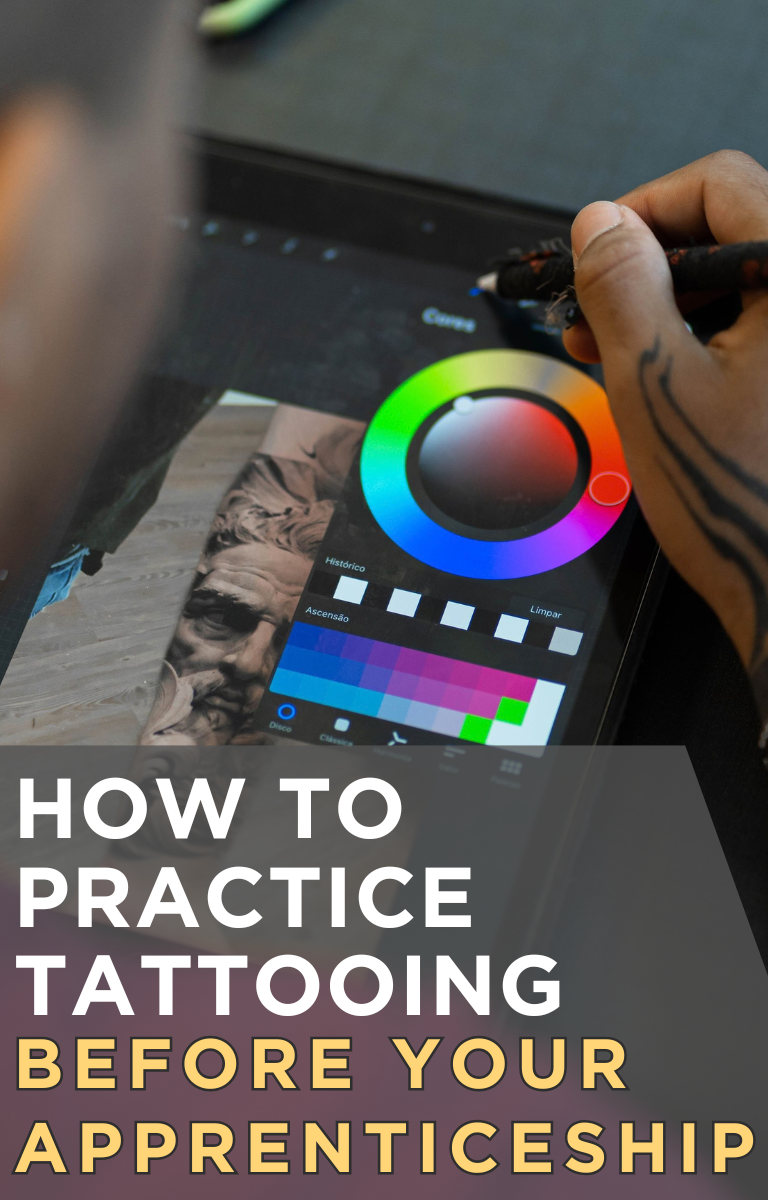
- Phase 1, Art and Design Principles: Drawing, shading, digital design and building a portfolio.
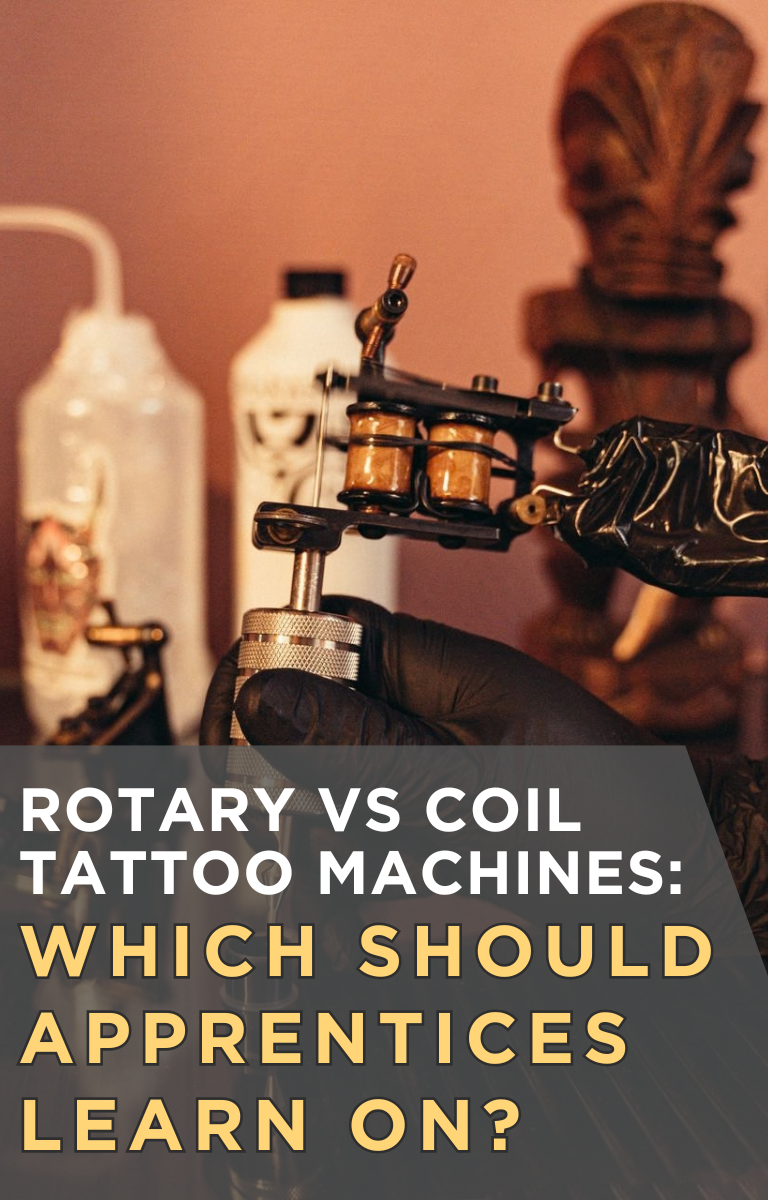
- Phase 2, Machine Mastery and Practice Tattooing: Hand-control exercises, machine operation, lining, shading and color packing.
- Phase 3, Supervised Tattoos: Tattooing real skin under a Mentor’s direct supervision.
- Phase 4, Junior Artist Externship: Building client relationships and refining your skills while you start earning.
- Interest-free payment plans: Flexible payments make training more accessible.
A career that comes with confidence
You’ll finish with job-ready skills, licensing support and a guaranteed job offer at one of Ink Different’s own tattoo studios.
Our Culture: Our “Good Humans” culture means you join a supportive, family-like community from day one.
How can Master Mentorship push your income further?
Ink Different’s one-year, in-person Master Mentorship helps beginners and experienced Tattoo Artists master a specific style, grow their career and work toward owning a tattoo studio.
You’ll train with celebrity and award-winning Master Mentors, including Al Fliction, Liz Cook, Kyle Dunbar, Boneface, Jordi Pla and Marcel Oliveira.
Making tattoo training accessible for everyone
We offer Spanish-speaking locations in Denver, Orange County, NYC, Miami, San Antonio and San Diego.

Ready to Become a Tattoo Artist?
Plenty of creative careers pay well. If you want one that’s hands-on, personal and hard to automate, tattooing deserves a serious look. Each Mentor takes just two tattoo apprentices per tattoo studio, so seats fill up quickly.
Ready to become a Tattoo Artist? Apply now to Ink Different’s Traditional Tattoo Apprenticeship and start building an AI-proof creative career, with licensing support along the way.
Frequently Asked Questions
What creative careers pay the most?
Among those listed, art directors ($111,040), special effects artists and animators ($99,800) and web and digital interface designers ($98,090) have the highest BLS medians. Tattoo Artists average $106,858, according to ZipRecruiter.
What is the highest-paying creative career you can start without a degree?
Tattooing is one of the strongest options. It’s usually learned through a tattoo apprenticeship, not a degree, and ZipRecruiter reports an average of $106,858 a year.
Do I need prior art experience to start tattooing?
No. Ink Different’s Traditional Tattoo Apprenticeship is built for beginners and starts with art and design principles.
How long does it take to become a working Tattoo Artist?
Most tattoo apprenticeships take one to three years. Ink Different’s Traditional Tattoo Apprenticeship takes 18 to 24 months across four phases.
Are creative careers safe from AI?
Hands-on creative careers like tattooing hold up best, because they require physical skill, client trust and work on living skin. Screen-based design faces more automation pressure.
Where can I find a tattoo apprenticeship near me?
Ink Different offers the Traditional Tattoo Apprenticeship at 60+ tattoo studios nationwide, including Spanish-speaking locations in Denver, Orange County, NYC, Miami, San Antonio and San Diego.
Related reading: tattoo apprenticeships as a college alternative, start your tattoo apprenticeship this spring, and tools every beginner tattoo artist should know.