Leaving a Desk Job for Tattooing: How a Creative Career Changed a Tattoo Artist’s Mental Health
October 9, 2026
In This Article
- Key Takeaways
- What is areola and nipple tattooing after breast reconstruction?
- Why does this final step matter so much to survivors?
- How does the areola tattooing process actually work?
- When are you ready to get an areola tattoo?
- Who performs areola and nipple tattooing?
- What skills does an artist need to do this work well?
- How can you become the artist who gives survivors this gift?
- What you can expect from our Traditional Tattoo Apprenticeship
- Ready to Become a Tattoo Artist?
- Frequently Asked Questions
Areola and nipple tattooing after breast reconstruction is a specialized cosmetic tattoo technique. It recreates the natural color, shadow, and three-dimensional appearance of the areola and nipple on reconstructed breasts. For many survivors, it is the finishing step in a long recovery.
At Ink Different Tattoos, we’ve spent over 15 years training professional Tattoo Artists, and one of our Master Mentors, Kara Gutierrez, specializes in this work. This guide explains how it works and what it takes to do it well.
Key Takeaways
- What it is: A cosmetic tattoo technique that restores a realistic areola and nipple appearance after breast reconstruction surgery.
- Timing: Wait until the reconstruction has fully healed and your surgeon and tattoo specialist agree the skin is stable.
- Who does it: Trained Tattoo Artists and paramedical tattoo specialists, sometimes working alongside surgeons and medical teams.
- Skill required: Mastery of color theory, 3D shading, symmetry, and sterile technique under OSHA bloodborne pathogen standards.
- Expert insight: Master Mentor Kara Gutierrez says scar tissue demands more humility than confidence, and she trains only experienced Tattoo Artists.
- Career path: A hands-on tattoo apprenticeship builds the real skills this specialty depends on.
What is areola and nipple tattooing after breast reconstruction?
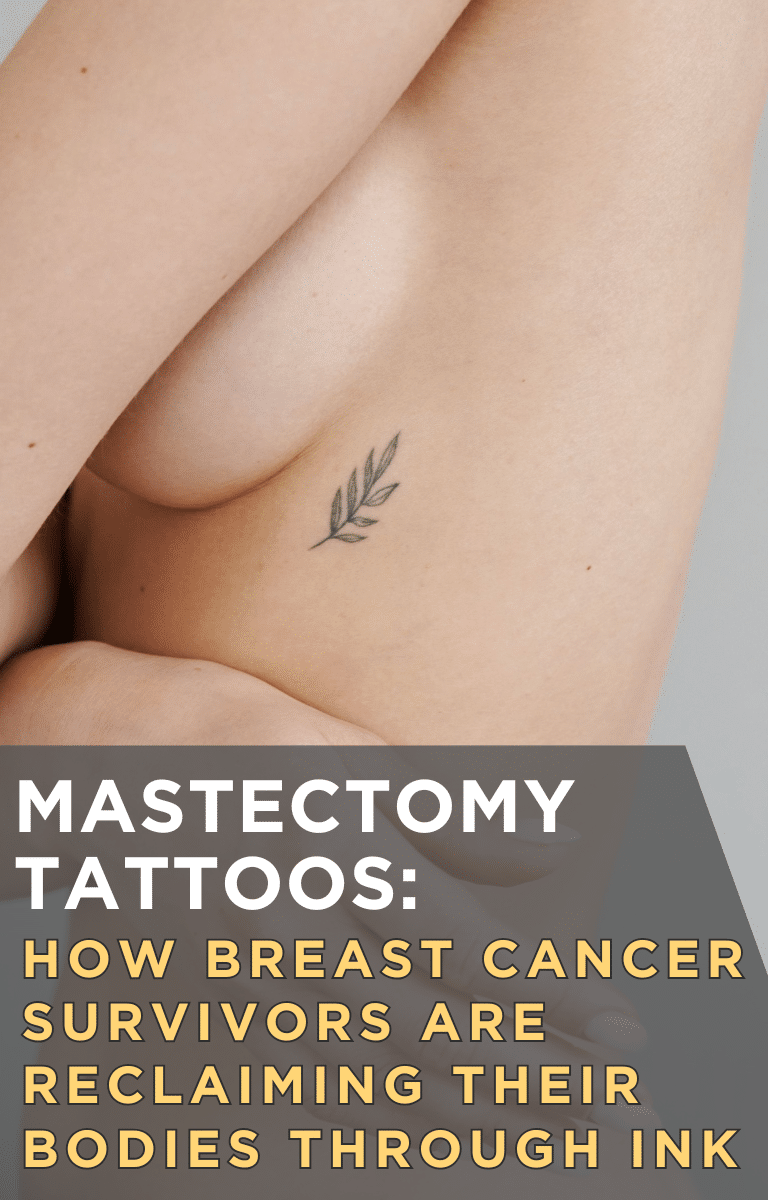
Areola and nipple tattooing after breast reconstruction is a cosmetic tattoo procedure that uses pigment to recreate the color, texture, and three-dimensional illusion of a natural nipple and areola. It is the finishing touch on a long reconstruction journey.
Unlike traditional tattooing, this work often relies on realistic shading rather than bold outlines. A skilled artist blends warm and cool pigments to mimic the soft gradient of natural skin. Light and shadow then create the appearance of a raised nipple, even when the surface is flat.
For some survivors, tattooing is a way to complete the look without additional surgery. The work requires deep knowledge of human anatomy, color theory, and the emotional needs of survivors.

Why does this final step matter so much to survivors?
Areola and nipple tattooing matters because it helps survivors finish a long recovery with a sense of completeness and control after medical procedures they did not choose.
Breast cancer is common. According to Breastcancer.org figures published by About Face and Body, about 1 in 8 U.S. women will develop invasive breast cancer in her lifetime.
Surgery can rebuild shape, but it rarely restores the small details that make a body feel familiar. Kara Gutierrez says many survivors go through at least two surgeries, and some go through as many as 10. By the time they reach her chair, many feel they have lost control of their own bodies. Kara sees her role as the final chapter, where clients are respected, supported, and heard.
The tattoo restores color and dimension, which can matter emotionally as much as physically.
Remember: This is restorative work. Survivors are not chasing a trend. They deserve an artist who treats the process with skill and respect.
How does the areola tattooing process actually work?
The areola tattooing process works in clear stages: consultation, color matching, placement, layered shading, and healing. Kara Gutierrez schedules at least two sessions, and sometimes three, so the skin can heal between them.
Here is a step-by-step look at what survivors can expect.
- Step One: Consultation. The artist reviews the reconstruction, discusses size, placement, and symmetry, and listens to what the survivor needs. Kara treats the consultation as part of the procedure. She learns each client’s history, goals, and limits, then explains what can and cannot be promised.
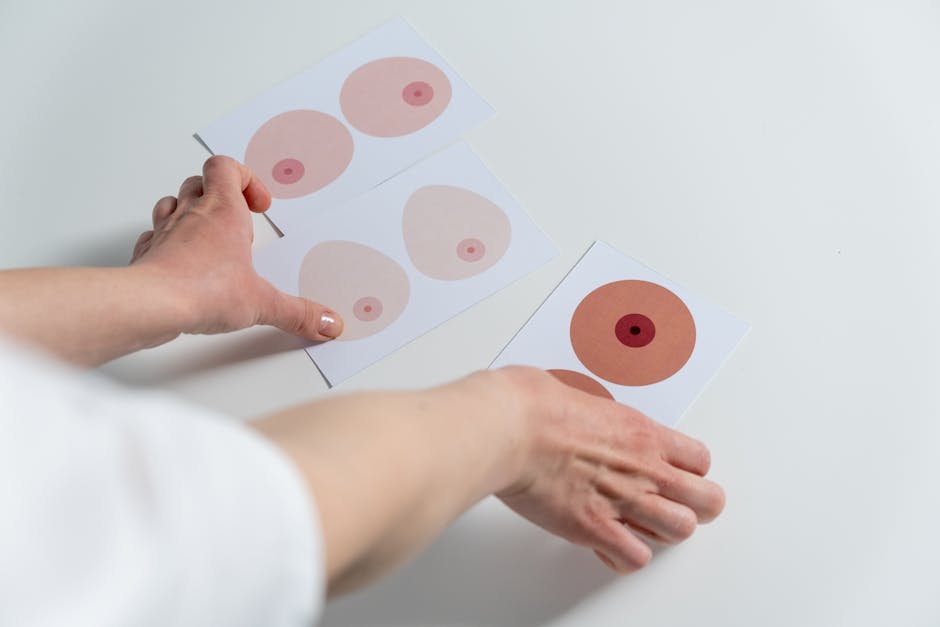
- Step Two: Color matching. Pigments are custom blended to match natural skin tone, since areola color varies widely from person to person. Kara chooses colors for how they will heal, not how they look fresh.
- Step Three: Mapping placement. The artist marks symmetrical positioning and checks balance so the result looks natural.
- Step Four: Shading and dimension. Layered color and shadow work builds the 3D illusion of a nipple with strategic highlights and shadows.
- Step Five: Healing. Aftercare follows standard tattoo guidelines. Healed results matter more than fresh photos, because color settles as the skin heals.
Pigment can fade over time, so touch-ups may be needed. Proper aftercare protects the result, and the American Academy of Dermatology tattoo care guidelines are a trusted reference for keeping healing skin healthy. Tattoo Artists also follow OSHA bloodborne pathogen standards to keep every session sterile and safe.
When are you ready to get an areola tattoo?
You are ready for areola tattooing when the reconstruction has fully healed and the skin has settled into its final shape. There is no single timeline, and your surgeon and tattoo specialist should agree the area is ready.
Rushing can affect pigment retention, symmetry, and the overall result. Healthy, stable skin takes color better than fresh scar tissue, so the tattoo looks more natural and lasts longer when the body has had time to recover.
Kara Gutierrez calls this the iceberg effect. A scar can look healed on the surface while it is still changing underneath. That is why she assesses the skin carefully before she starts.
Who performs areola and nipple tattooing?
Areola and nipple tattooing is performed by specially trained Tattoo Artists and paramedical cosmetic tattoo specialists, sometimes within medical settings and sometimes in licensed tattoo studios.
Kara Gutierrez, an Ink Different Master Mentor based in Kansas City, tattoos one to four areolas a day. She has also taught monthly at St. Luke’s Hospital, a teaching hospital in Kansas City, for about six or seven years. With her husband, a physician, she created AMIT, short for Application of Medicine and Tattooing. It is a course on the medical knowledge Tattoo Artists in this field need.
This is a niche within the tattoo world. It sits at the intersection of art, anatomy, and compassion, which machines cannot replicate.
What skills does an artist need to do this work well?
Areola and nipple tattooing requires advanced color theory, realistic 3D shading, steady machine control, precise symmetry, and strict adherence to sterilization and bloodborne pathogen safety standards.
These are not skills you pick up from a weekend video. They are built layer by layer, and the foundation comes from disciplined, hands-on mentorship.
- Color matching and theory: Reading undertones, mixing custom pigments for diverse skin tones, and understanding how color shifts as skin heals.
- Dimensional shading: Creating the illusion of depth and nipple projection on a flat surface using advanced blending techniques.
- Reading the scar: Hypertrophic scars, radiated skin, grafted skin, and stretched scars all behave differently. Kara says you need to recognize each one on sight and by touch.
- Machine control: Kara breaks it down into depth, speed, stretch, angle, pressure, and patience. Scar thickness can change within a few millimeters, so constant adjustment matters.
- Judgment: Kara uses a simple traffic light check. Green means the skin is stable and the work is within your skill. Yellow means pause. Red means stop and refer the client out.
- Bedside manner and communication: Communicating with care, patience, and empathy throughout the entire process.
- Safety and sterility mastery: Following OSHA bloodborne pathogen standards without exception, every single time.
- Symmetry and anatomy: Understanding breast anatomy, placement proportions, and creating natural balance across reconstructed tissue.
Kara’s rule of thumb is restraint. If the skin is not taking more pigment, forcing it will not help. In her words, scar tissue demands more humility than confidence.
If you are serious about building these skills the right way, avoid the common traps we outline in our guide to mistakes aspiring tattoo apprentices should avoid. Great technique comes from great training, not from guessing or cutting corners.
How can you become the artist who gives survivors this gift?
You become the artist who performs areola tattooing by completing a structured, hands-on tattoo apprenticeship that teaches fundamentals, realistic shading, safety, and licensing before you ever specialize.
Kara Gutierrez is direct about this: areola restoration is not an entry point. She looks for Tattoo Artists who already know their machine and needles and can tattoo realism. With that foundation, she believes she can get someone ready in about 12 months. She takes only one or two Tattoo Artists a year.
If you are new to tattooing, start with a tattoo apprenticeship. Kara also recommends practicing decorative tattoos over scars, since body art is more forgiving than areola work, and building your realism drawing skills now.
At Ink Different Tattoos, we have spent over 15 years training professional Tattoo Artists, and our tattoo apprenticeship is a serious college alternative. You do not need prior art experience. You need the willingness to begin and the commitment to show up every day. Our “Good Humans” community walks the road with you, because no one should learn this craft alone.
What you can expect from our Traditional Tattoo Apprenticeship
Our Traditional Tattoo Apprenticeship is an 18 to 24 month, four-phase tattoo apprenticeship where you train hands-on in professional tattoo studios, building job-ready skills with licensing support along the way.
Each phase builds on the last, from drawing fundamentals to supervised live work, so you develop real skills instead of risky shortcuts. This is personalized, live, in-person mentorship, not a faceless online course.
A career that comes with confidence and licensing support
By the time you finish, you will have job-ready skills, licensing support, and a guaranteed job offer at one of our tattoo studios. That is an AI-proof career built on a craft that genuinely helps people.
Mentorship that pushes your brand and skills further
Ready to specialize in realistic work like areola tattooing? Our Master Mentorship is a one-year, in-person training track for beginner and experienced artists alike. It is taught by celebrity and award-winning Mentors including Al Fliction, Liz Cook, Kyle Dunbar, Boneface, and Jordi Pla, along with specialists like Kara Gutierrez. Kara credits her best friend, Liz Cook, for her deep knowledge of color theory.
The Master Mentorship is designed for mastering a specific style, growing your career, and building a business.
Making tattoo training accessible for everyone
Ink Different operates nationwide, with the Traditional Tattoo Apprenticeship available in 60+ locations, including Spanish-speaking locations in Denver, Orange County, NYC, Miami, San Antonio, and San Diego, so language is never a barrier between you and your calling.
Ready to Become a Tattoo Artist?
Survivors deserve artists who treat their final step with skill and care. If this work calls to you, the first step is learning to tattoo. Seats in our tattoo apprenticeship are limited, because real mentorship cannot be mass-produced.
Ready to become a Tattoo Artist? Apply now to Ink Different’s Traditional Tattoo Apprenticeship and start building an AI-proof career with licensing support along the way. You can also fill out our quick questionnaire to get personalized support and find out if our Traditional Tattoo Apprenticeship is right for you.
Frequently Asked Questions
How long after breast reconstruction can you get an areola tattoo?
There is no single timeline. The reconstruction needs to be fully healed and the skin stable, and your surgeon and Tattoo Artist should agree it is ready. A scar can look healed on the surface while still changing underneath.
Do I need art experience to learn areola and nipple tattooing?
No. Ink Different’s Traditional Tattoo Apprenticeship is built for beginners and teaches drawing, color theory, and shading from the ground up before any specialization.
How long is the Ink Different Tattoo Apprenticeship Program?
The Traditional Tattoo Apprenticeship takes 18 to 24 months across four phases of hands-on training in professional tattoo studios with live mentorship.
What makes Ink Different different from other training options?
Ink Different offers live, in-person mentorship, over 15 years of experience, award-winning Mentors, and a supportive “Good Humans” culture, all as a serious college alternative.
Is areola tattooing a stable career choice?
Specialty paramedical tattooing blends art, anatomy, and human compassion, and it depends on human skill that technology cannot replicate. It is built on a strong tattooing foundation.
Can I specialize in realistic cosmetic tattooing through Ink Different?
Yes. After building fundamentals, our one-year Master Mentorship lets you study realistic and specialized styles with celebrity and award-winning Mentors. Our Master Mentors also include specialists like Kara Gutierrez, who focuses on areola restoration.