Pen Tattoo Machines vs Traditional Rotaries
November 23, 2026
In This Article
- Key Takeaways
- What is the best tattoo machine for beginners?
- Rotary or coil: which should you learn on?
- What features should a beginner tattoo machine have?
- How do you choose your first tattoo machine step by step?
- What mistakes do beginners make when buying a machine?
- Why a machine alone won’t make you a Tattoo Artist
- How Ink Different helps you master your machine
- Ready to become a Tattoo Artist?
- FAQ
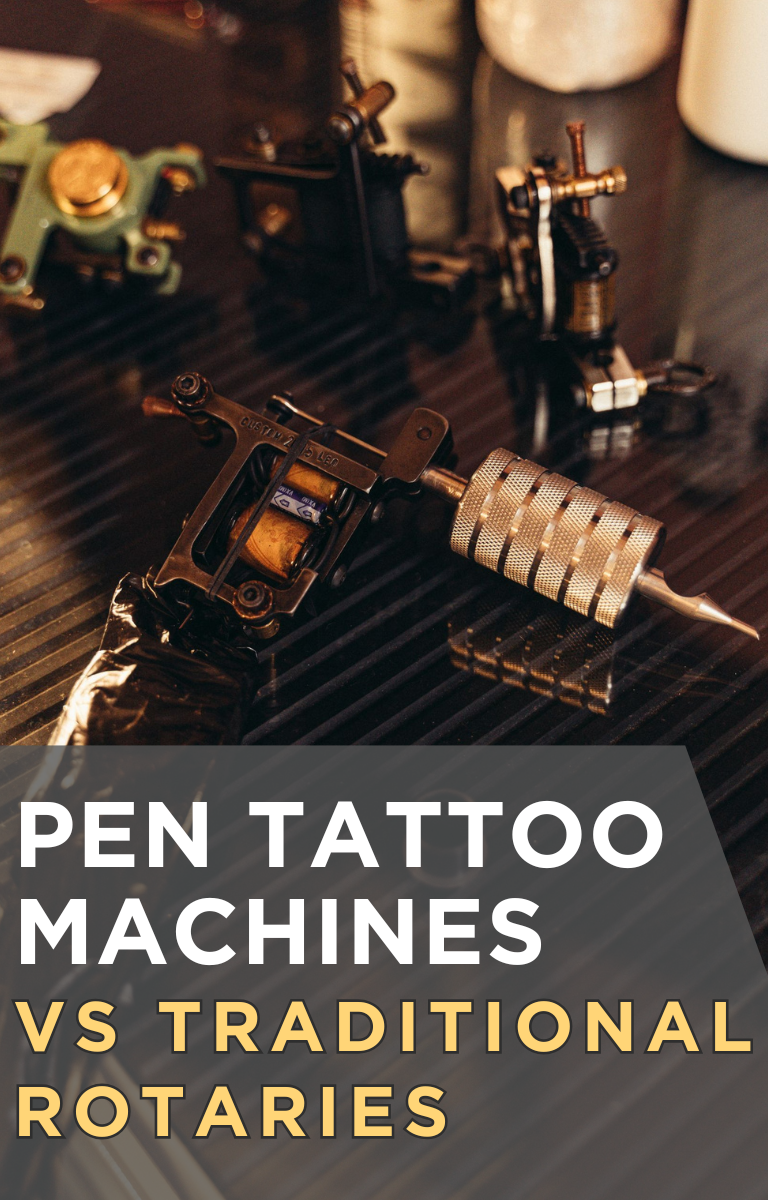
For most beginners, the best tattoo machine is a reliable, comfortable rotary pen machine from a reputable manufacturer. Look for one that uses standard needle cartridges and runs smoothly without heavy vibration. Rather than chasing a specific brand or price tag, focus on the features: comfortable weight and balance, consistent performance, easy setup and available replacement parts. Those let you focus on your hand control and linework instead of fighting your equipment.
Comfort matters more than many beginners expect. Researchers at Ohio State University measured muscle activity in working Tattoo Artists and found that all 10 exceeded recommended exertion limits in at least one muscle group. Below, we cover the features to look for, how to choose your first machine and the mistakes to avoid.
Key Takeaways
- Best starting point: A reliable rotary pen machine is a common choice for beginners.
- Features over brands: Prioritize comfort, consistency, cartridge compatibility and available parts.
- Avoid mystery kits: Very cheap, unbranded kits often perform poorly and come with questionable supplies.
- Buy from authorized sellers: That protects you from counterfeits and gives you warranty support.
- Training matters most: A machine is a tool. Mentorship and practice build real skill.
What is the best tattoo machine for beginners?
A comfortable, dependable rotary pen machine that uses standard cartridges is a strong first choice for most beginners.
When you’re learning, your attention should be on your hand, your lines and your technique. A heavy, unbalanced or unreliable machine pulls focus and can lead to bad habits. Rotary pen machines are popular with beginners because they’re simple to set up and feel familiar in the hand, especially for people who draw.
A note on terms: professionals call it a tattoo machine, not a “tattoo gun.” Using the right language shows you take the craft seriously.
Rotary or coil: which should you learn on?
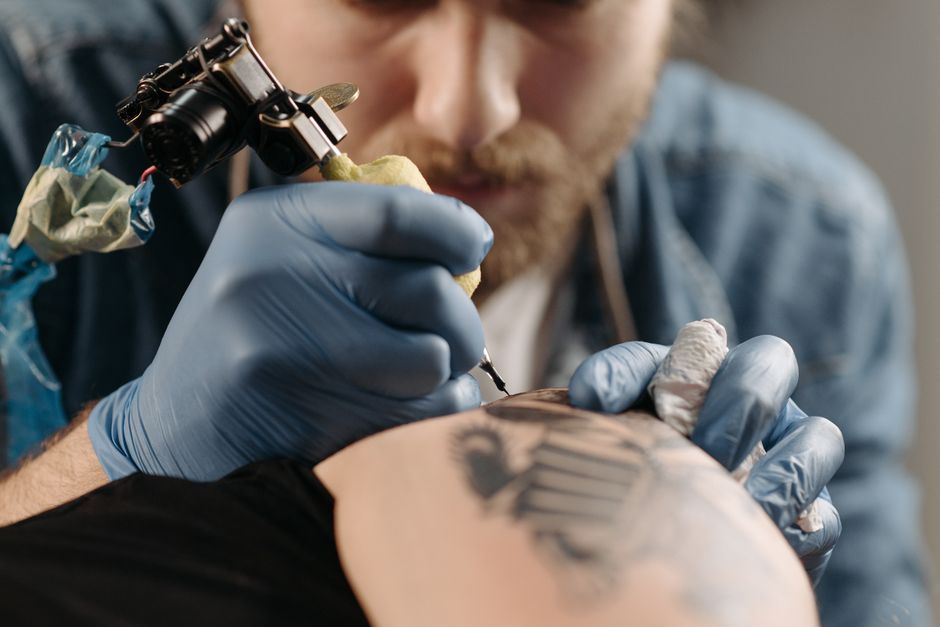
Many beginners start on a rotary machine because it’s typically quieter, easier to set up and can handle both lining and shading.
Coil machines have a long, respected history, and many experienced Tattoo Artists love their feel. They take more mechanical know-how, though: tuning springs, adjusting voltage and setting up separate machines for lining and shading. That’s a lot to learn when your main focus is steady hands and clean lines.
A rotary pen lets you use one machine for different tasks, so you can build consistent muscle memory. Once your fundamentals are solid, you can explore coils if you want.
Mentor Tip: Get comfortable with one dependable machine before experimenting with others. Switching gear too often can slow your progress.
What features should a beginner tattoo machine have?
Look for comfort, reliability, cartridge compatibility, available parts and some adjustability.
- Comfortable weight and balance: A machine that feels good in your hand helps reduce fatigue during long practice sessions.
- Consistent performance: A machine that runs smoothly every time lets you trust your hand instead of second-guessing your gear.
- Standard cartridge compatibility: Widely used cartridge systems keep setup simple and supplies easy to find.
- Available parts and support: Reputable manufacturers offer replacement parts, warranties and customer support.
- Adjustable settings: Some machines let you adjust stroke length or needle depth, which becomes useful as your skills grow.
- Easy cleaning and barrier protection: Smooth surfaces and simple designs make it easier to keep your setup clean.
Notice that “lowest price” isn’t on the list. Your machine is part of your training investment. The rest of your setup matters too, so it helps to know which tools beginners actually need before you start buying. Safety comes with every piece of equipment, starting with the OSHA Bloodborne Pathogens Standard.
How do you choose your first tattoo machine step by step?
Set a budget, focus on features, check compatibility, read reviews from working Tattoo Artists and buy from an authorized seller.
- Set a realistic budget. Plan to invest in a reliable machine instead of the cheapest kit you can find.
- Choose a rotary pen with the features above. Prioritize comfort, consistency and support.
- Confirm cartridge compatibility. Make sure the machine uses standard, widely available cartridges.
- Read reviews from working Tattoo Artists. Look for honest feedback from people who use the machine regularly.
- Buy from an authorized seller. Counterfeit machines are common online. Authorized sellers protect your warranty and your investment.
- Learn it under guidance. A Mentor can show you how to set up and use your machine safely and correctly.
That last step is where many self-taught beginners get stuck. A Mentor watching your hand and correcting your angle and pressure in real time is worth more than any spec sheet. Knowing the mistakes beginners commonly make helps too.

What mistakes do beginners make when buying a machine?
The most common mistakes are buying very cheap, unbranded kits, focusing on gear instead of technique and practicing alone without feedback.
- Cheap mystery kits: Bargain kits often come with inconsistent machines, questionable needles and inks, and no real support.
- Questionable supplies: Ink quality matters. The U.S. Food and Drug Administration has issued alerts about contaminated tattoo inks, so buy from reputable suppliers.
- Gear over technique: Upgrading equipment won’t fix shaky lines or inconsistent depth.
- Practicing alone: Without feedback, bad habits form quietly and are hard to undo.
- Tattooing people too early: Tattooing real people without proper training risks their health and can break your state’s licensing rules.
If you’re wondering whether technology will make these skills less valuable, the short answer is no. Hands-on skill and client trust are a big part of why Tattoo Artists remain essential.
Why a machine alone won’t make you a Tattoo Artist
Owning a tattoo machine doesn’t make you a Tattoo Artist. Real skill comes from guided practice, honest feedback and mentorship in a working tattoo studio.
Professional tattooing involves much more than running a machine. You need to understand skin, hygiene, depth, client communication and aftercare, and to build a reputation over time. The Centers for Disease Control and Prevention has documented infections linked to contaminated tattoo ink, including ink diluted with nonsterile water, which is one reason safety training is so important.
Licensing is part of the picture too, and requirements vary by state. Rules in Texas, California and Colorado all work differently, so learn yours early.
The real question isn’t just which machine to buy. It’s who will teach you to use it like a professional.
How Ink Different helps you master your machine
Ink Different’s Traditional Tattoo Apprenticeship teaches machine handling, linework, hygiene and professional technique through in-person mentorship over 18 to 24 months, with licensing support along the way.
For 15 years, Ink Different has trained aspiring Tattoo Artists from all kinds of backgrounds, including complete beginners. It’s a practical alternative to a four-year degree, which is why tattoo apprenticeships are gaining ground as an alternative to college.
What you can expect from our Traditional Tattoo Apprenticeship
You train in person with a Mentor at one of 60+ tattoo studios nationwide. No prior art experience is required.
- Phase 1, Art and Design Principles: Drawing, shading, digital design and building a portfolio.
- Phase 2, Machine Mastery and Practice Tattooing: Hand-control exercises, machine operation, lining, shading and color packing.
- Phase 3, Supervised Tattoos: Tattooing real skin under a Mentor’s direct supervision.
- Phase 4, Junior Artist Externship: Building client relationships and refining your skills while you start earning.
- Interest-free payment plans: Flexible payments make training more accessible.
You’ll finish with job-ready skills, licensing support and a guaranteed job offer at one of Ink Different’s own tattoo studios.
Mentorship that pushes your brand and skills further
Our one-year, in-person Master Mentorship is for beginners and experienced Tattoo Artists alike. You’ll train with celebrity and award-winning Master Mentors, including Al Fliction, Liz Cook, Kyle Dunbar, Boneface, Jordi Pla and Marcel Oliveira, with a focus on skill development, mastering your style and building a sustainable business.
Making tattoo training accessible for everyone
We offer Spanish-speaking locations in Denver, Orange County, NYC, Miami, San Antonio and San Diego. Our “Good Humans” culture means you join a supportive, family-like community from day one.

Ready to become a Tattoo Artist?
The right machine helps, but the right training is what turns it into an extension of your hand. Each Mentor takes just two tattoo apprentices per tattoo studio, so seats fill up quickly.
Ready to become a Tattoo Artist? Apply now to Ink Different’s Traditional Tattoo Apprenticeship and start building a creative career with licensing support along the way.
Frequently Asked Questions
What is the best tattoo machine for beginners?
A comfortable, reliable rotary pen machine that uses standard cartridges is a strong choice for most beginners. Focus on features and support rather than price or brand hype.
Should beginners use a rotary or coil tattoo machine?
Many start with a rotary, because it’s usually quieter, easier to set up and handles both lining and shading.
Do I need an expensive machine to start learning?
No. You need a reliable machine with the right features, not the most expensive one. Training and practice matter more.
Are cheap tattoo kits worth it?
Usually not. Very cheap, unbranded kits often perform inconsistently and may include questionable needles and inks.
Where should I buy my first tattoo machine?
From the manufacturer or an authorized seller, to avoid counterfeits and keep your warranty.
Do I need prior experience to join Ink Different’s Traditional Tattoo Apprenticeship?
No. The Traditional Tattoo Apprenticeship teaches machine handling, linework and hygiene from the start.