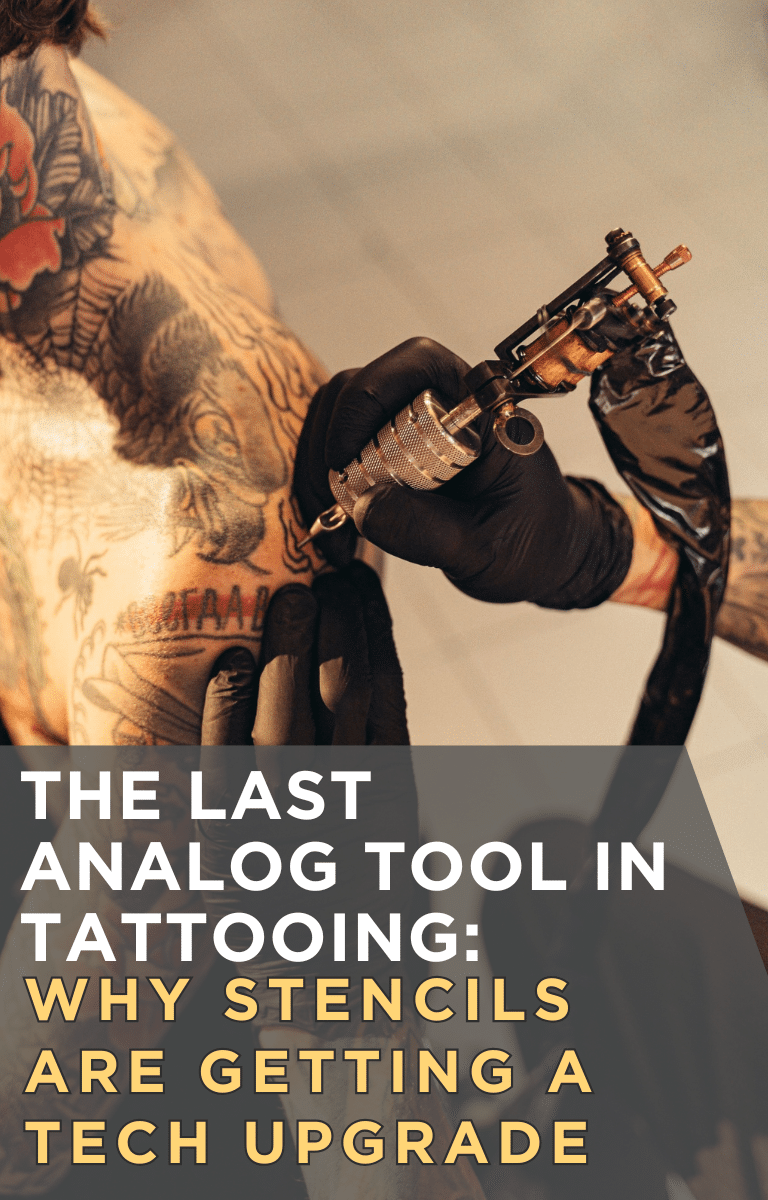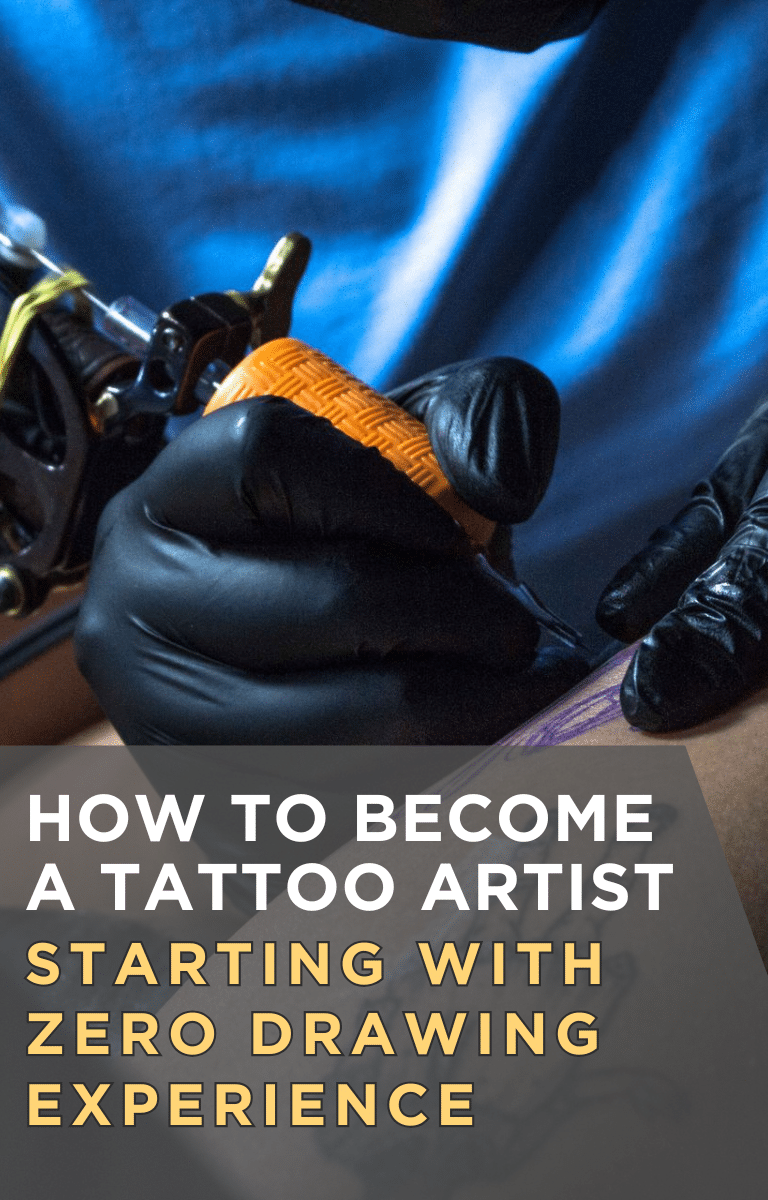
The Last Analog Tool in Tattooing: Why Stencils Are Getting a Tech Upgrade
September 24, 2026
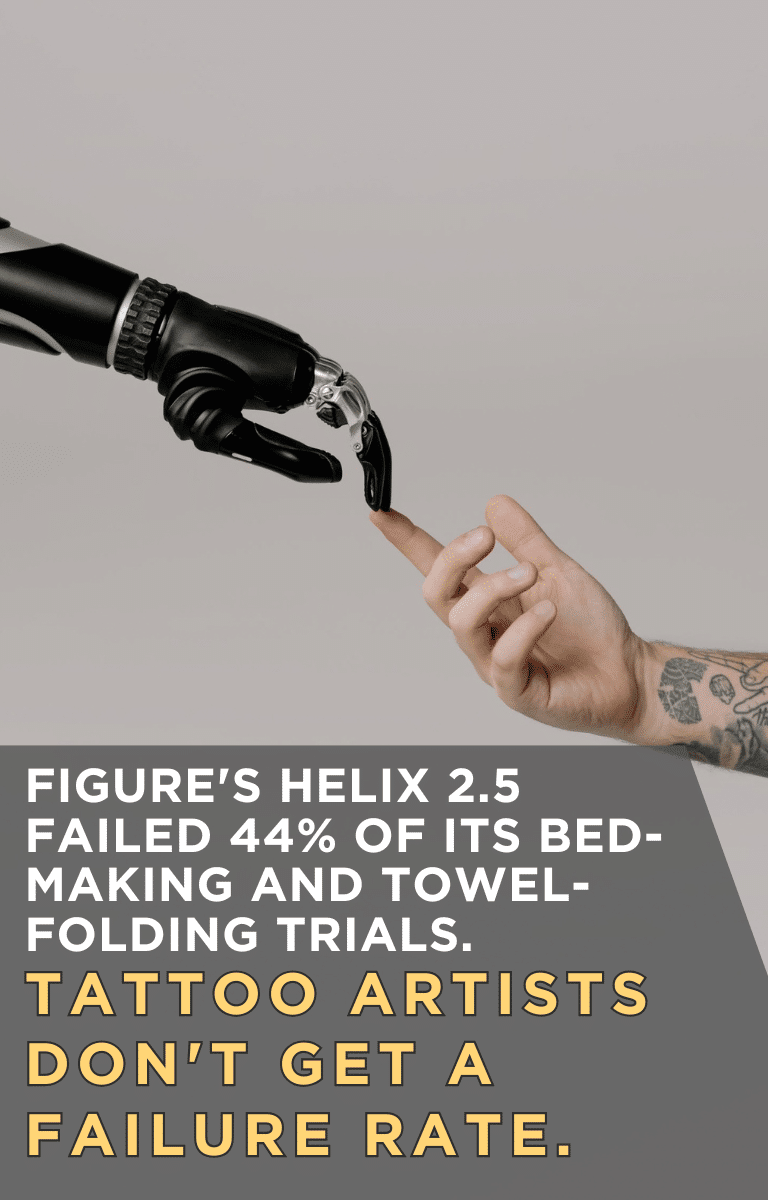
Figure’s Helix 2.5 Failed 44% of Its Bed-Making and Towel-Folding Trials. Tattoo Artists Don’t Get a Failure Rate.
September 24, 2026
In This Article
- Key Takeaways
- Are robots really living in our homes now?
- Why can’t robots take over tattooing?
- What makes tattooing an AI-proof career?
- Are you wasting your creative potential in a job a robot could do?
- How do you start a tattoo career that AI can’t replace?
- What is Ink Different’s Traditional Tattoo Apprenticeship?
- What is the Master Mentorship program?
- Where can you train in Spanish near you?
- Ready to build a career robots can’t touch?
- FAQ
On September 17, 2026, Figure introduced Helix 2.5 and tested it inside 30 real Bay Area homes it had never seen before: no practice runs, no data collected from those houses in advance. The robot tidied living rooms, folded towels, and made beds. Across 420 trials, it succeeded 237 times: a 56% completion rate, graded with zero partial credit.
Robots aren’t coming for our homes anymore. They’re already in them, and the receipts are public. So here’s the question worth sitting with: if the newest, most expensive humanoid robot on Earth still fails 44% of the time at folding a towel, what does that mean for the one job that has to be right 100% of the time, on human skin, forever?
An AI-proof career is a line of work that depends on human touch, taste, and trust; qualities machines cannot authentically replicate. At Ink Different Tattoos, we have spent 15 years training people to claim exactly that kind of future.
Key Takeaways
- Figure’s Helix 2.5 completed household chores in 30 unseen homes at a 56% success rate. It’s a real, published number, not a hypothetical.
- Tattooing requires live judgment, emotional connection, and skin adaptation with zero acceptable failure rate, a standard no robot has ever been tested against.
- Ink Different’s Traditional Tattoo Apprenticeship takes 18–24 months with hands-on, in-person mentorship from licensed professionals.
- No prior art experience is required; you finish job-ready with licensing support and professional credentials.
- Spanish-speaking training is available in Denver, Orange County, NYC, Miami, San Antonio, and San Diego.
Are robots really living in our homes now?
Yes, and it’s no longer a projection. It’s a published result. Figure sent its Helix 2.5 humanoid into 30 real homes it had never operated in, folding towels, making beds, and tidying living rooms without any retraining or new data collected from those specific houses. That’s what the company calls “zero-shot” performance, and it’s the most direct evidence yet that household robots have left the lab.
But look closer at the number behind the headline: 56%. Out of 420 trials, Helix 2.5 completed the task correctly 237 times, and Figure’s grading allowed no partial credit. A pillow in the wrong spot, a towel corner an inch out of alignment, a toy left on the floor: any of it counted as a full failure. Figure spent an estimated $3.5 billion in compute getting a robot to a 56/44 split on tasks most ten-year-olds finish without thinking twice.
That should tell you something about where the real ceiling is. If this is what state-of-the-art automation looks like on a towel, the unpredictable, deeply human work is only becoming more valuable, not less.
Why can’t robots take over tattooing?
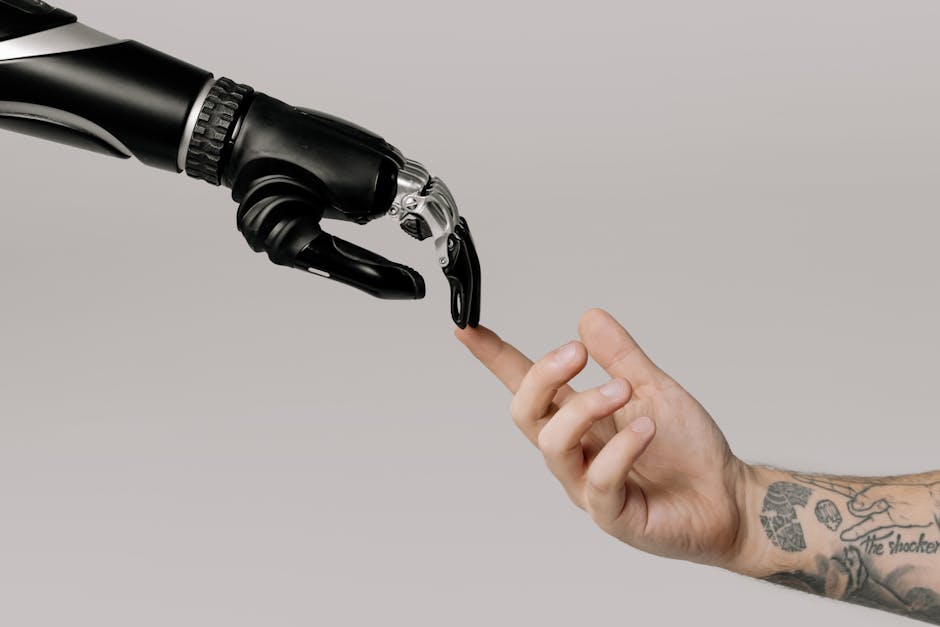
Robots can’t take over tattooing because tattooing has never once been the kind of task these systems are even built to attempt. Helix 2.5 was trained and graded on folding towels, making beds, and tidying floors, repeatable, low-stakes, reversible chores. Its hardest task, toy tidying, still only succeeded 40% of the time. Now compare that bar to a tattoo session: permanent, on human skin, with a client who is trusting you with something that can’t be undone if the machine gets it wrong.
A tattoo is not a print job. It’s a collaboration. A client walks in carrying a story: a lost parent, a fresh start, a leap of faith. You read them, you adjust, and you feel how their skin takes ink and reroute your plan mid-session. Helix 2.5’s best self-correction trick, according to Figure, is stepping back to reposition a comforter. That’s the state of the art in “adaptation” for machines right now, nowhere close to reading a client’s flinch and adjusting a needle’s angle in real time.
We break this down further in our post on why tattoo artists are still essential. The short version: nobody wants a permanent mark on their body from a machine that cannot understand what it means to them.
What makes tattooing an AI-proof career?
Tattooing is AI-proof because it blends irreplaceable human trust with a licensed, hands-on craft that must be performed live on real skin, in person, every single time, with no room for the 44% margin Figure’s own robot still posts on much simpler tasks. You cannot outsource it to the cloud, and you can’t fix a bad line with a second try.
Consider what protects a career from automation:
- Trust: Clients hand you their body permanently. That bond is built human to human, not human to Index dataset.
- Live adaptation: Skin, pain tolerance, and design flow shift in the moment. Helix 2.5 needed half as much training data as its predecessor just to match performance folding towels, and it still only got there 56% of the time.
- Regulation: Tattooing is governed by health and safety standards, like the OSHA bloodborne pathogen standards, that require trained, accountable people.
- Creative voice: Your style is yours. It cannot be copy-pasted from 16 million training videos.
This is the difference between planting a seed in soil that will hold and building a house on sand. One grows for decades. The other is still trying to get a bed made without failing inspection.
Are you wasting your creative potential in a job a robot could do?
If your work is repetitive, unfulfilling, and easily scripted, you may be spending your best years doing exactly what machines like Helix 2.5 are being built to replace next. Figure has already said it’s hiring to expand “general physical intelligence” beyond towels and toys. That is the quiet cost most people never calculate.
Be honest with yourself. Does your job light you up, or does it slowly drain the creative part of you that used to draw on every notebook margin? Every year you stay stuck is a year your talent goes uncultivated while robots quietly close the gap on repeatable tasks.
You are the hero of this story, not the machine. The pain of staying still is real, but so is the way out. If you want to avoid common pitfalls, read our guide on mistakes aspiring tattoo apprentices should avoid before you take a single step.
Reality check: The safest career move in an automated world is to bet on the one thing machines will never own: your human hands and your human eye.
How do you start a tattoo career that AI can’t replace?
You start by entering a structured tattoo apprenticeship that teaches fundamentals, safety, and live client work under a licensed Mentor, then earning your license. Here is the honest, step-by-step path.
Step 1: Commit to the decision
Decide you are done wasting time. This is the life-changing choice: leaving the dead-end job and betting on a craft with a future. No one else can make it for you.
Step 2: Build your foundation
Learn drawing fundamentals, line work, and machine handling. You do not need to be a prodigy. You need to show up and grow. Explore the tools every beginner tattoo artist should know so you walk in prepared.
Step 3: Train under a real Mentor, in person
This is where careers are made. Live, hands-on guidance from an experienced Tattoo Artist is the difference between guessing and knowing. YouTube cannot correct your angle mid-line.
Step 4: Practice safely and study your craft
Follow proper aftercare and hygiene standards, like the American Academy of Dermatology tattoo care guidelines, so your clients heal well and trust you fully.
Step 5: Get licensed and go professional
Complete your training, meet your state’s requirements, and step into the industry job-ready. Licensing rules vary, so learn your state early. For example, how to get your tattoo license in Texas.
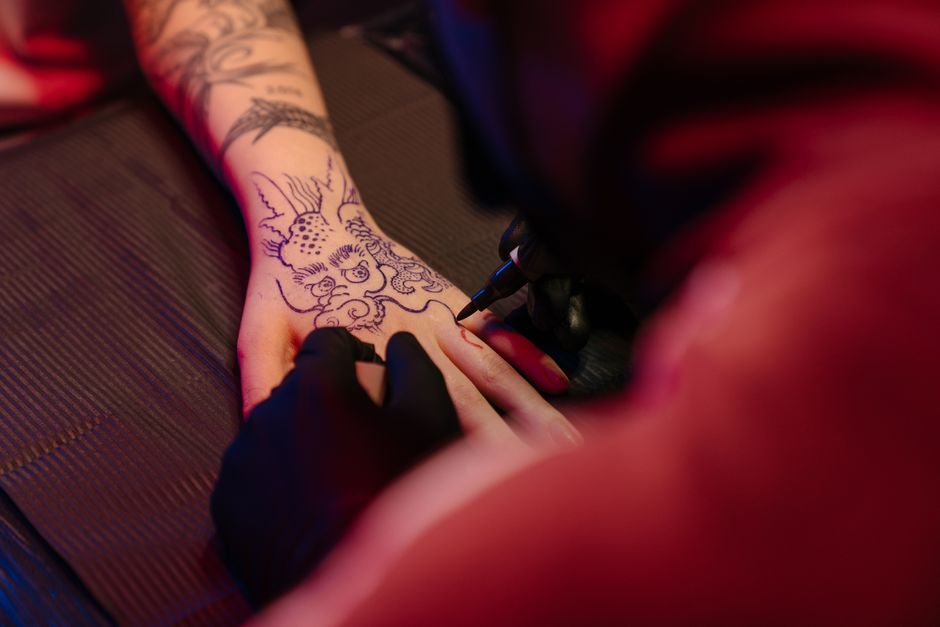
What is Ink Different’s Traditional Tattoo Apprenticeship?
The Traditional Tattoo Apprenticeship is Ink Different’s 18 to 24 month, four-phase training that takes beginners from zero experience to job-ready, licensed Tattoo Artists. It is our flagship college alternative.
Here is what you can expect from our Traditional Tattoo Apprenticeship:
- Personalized, hands-on training: Real feedback from real Mentors, not a video course.
- Start remote, finish in studios: Begin building fundamentals, then move into a working Tattoo Studio.
- Built for beginners: No prior art experience needed. We teach from the ground up.
- Licensing support and job-ready skills: You finish prepared to work professionally in the industry.
This is a career that comes with confidence. Instead of taking on years of debt for a degree that automation could devalue, you invest in a craft with staying power, one that hasn’t shown up on a single Figure task list, and never will. We also carry a culture we call “Good Humans.” When you join, you are not a number in a lecture hall. You join a family-like community that wants you to grow, and you are never alone on the journey.
What is the Master Mentorship program?
Master Mentorship is Ink Different’s one-year, in-person program that pushes both beginner and experienced artists to master a style, build their business, and explode their career. It is mentorship that goes further.
You train alongside celebrity and award-winning Mentors, including Al Fliction, Liz Cook, Kyle Dunbar, Boneface, and Jordi Pla. This is exclusive access to the best in the industry, focused on intensive skill development and brand growth.
Where can you train in Spanish near you?
Ink Different offers Spanish-speaking tattoo training in Denver, Orange County, New York City, Miami, San Antonio, and San Diego, making a professional path accessible to more aspiring artists.
Language should never be the wall between you and a future-proof career. Whether you are near Denver or near Miami, you can start building this craft in the language you think and dream in.
Ready to build a career robots can’t touch?
The machines have moved into 30 real homes and posted a 56% success rate folding towels. That’s not the end of your story; it’s the alarm clock. While automation slowly closes the gap on repeatable chores, the deeply human work only grows more valuable. Tattooing is one of the very few careers where your hands, your eye, and your trust with a client cannot be downloaded, copied, or trained on 16 million hours of video.
Ready to become a Tattoo Artist? Apply now to Ink Different’s Traditional Tattoo Apprenticeship and start building an AI-proof career, with licensing support along the way. Prefer a lighter first step? Fill out our quick questionnaire to get personalized support and find out if our Traditional Tattoo Apprenticeship is right for you.
Frequently Asked Questions
Will robots ever replace tattoo artists?
No. Tattooing depends on human trust, live adaptation to skin, and emotional connection that clients can only receive from a person.
Is it too late to change careers and become a tattoo artist?
No. People from many backgrounds start fresh with Ink Different. Our apprenticeship is built for beginners, regardless of current job or age.
Do I need art experience to start a tattoo apprenticeship?
No. Ink Different teaches drawing, line work, and machine handling from phase one, building skills from ground zero.
How long does the Traditional Tattoo Apprenticeship take?
Ink Different’s Traditional Tattoo Apprenticeship runs 18–24 months across four phases, depending on how quickly you progress.
What makes Ink Different different from other tattoo schools?
Ink Different offers live mentorship, a “Good Humans” community, 15 years of industry experience, and licensing support, not just theory.
Where can I do a Spanish-speaking tattoo apprenticeship near me?
Ink Different offers Spanish-speaking training in Denver, Orange County, NYC, Miami, San Antonio, and San Diego for accessibility.