Best Fake Skin for Tattooing: What to Practice On
November 26, 2026
Career Change Quiz: Are You Ready to Leave Your Job?
November 26, 2026
In This Article
- Key Takeaways
- What defines one of the best Tattoo Artists in the world?
- Why does technical skill separate good from great?
- How does consistency build a world-class reputation?
- Why do the best Tattoo Artists almost always have a Mentor?
- How do top Tattoo Artists build a brand clients chase?
- What daily habits do elite Tattoo Artists share?
- How can you start the path to becoming world-class?
- Get serious with Become A Tattoo Artist
- FAQ
The best Tattoo Artists in the world share a few things. They have deep technical skill, a recognizable style and tattoos that still look great once healed. Most also learned from experienced Mentors and built a reputation through years of consistent work. Fame and awards usually come after the skill, not before it.
Recognition in tattooing is often earned through competitions, conventions and decades of work. Ink Different Master Mentor Jordi Pla, for example, left aerospace engineering for tattooing and has won 150 awards. Below, we look at the skills, habits and training behind world-class tattooing, and how you can start building them.
Key Takeaways
- Craft first: Top Tattoo Artists master linework, shading and how skin heals.
- Healed results count: Reputation is built on tattoos that still look great years later.
- Mentorship is common: Most great Tattoo Artists learned from experienced Mentors.
- Brand and business: A recognizable style plus professionalism keeps clients coming back.
- Habits compound: Daily drawing, constant learning and protecting your body support a long career.
What defines one of the best tattoo artists in the world?
Technical mastery, a signature style, excellent healed results and a reputation built on trust, one client at a time.
The awards, waitlists and celebrity clients come from years of practice, mentorship and discipline that most people never see. Many of the famous Tattoo Artists every apprentice should know, from Sailor Jerry to Horiyoshi III, built their reputations over decades.
The qualities you can actually work toward:
- Technical command: Clean lines, smooth gradients and tattoos that heal well.
- Signature identity: A style clients recognize before they see your name.
- Professionalism: Safety, communication and reliability in every session.
- Longevity: Work that holds up for decades.
Why does technical skill separate good from great?
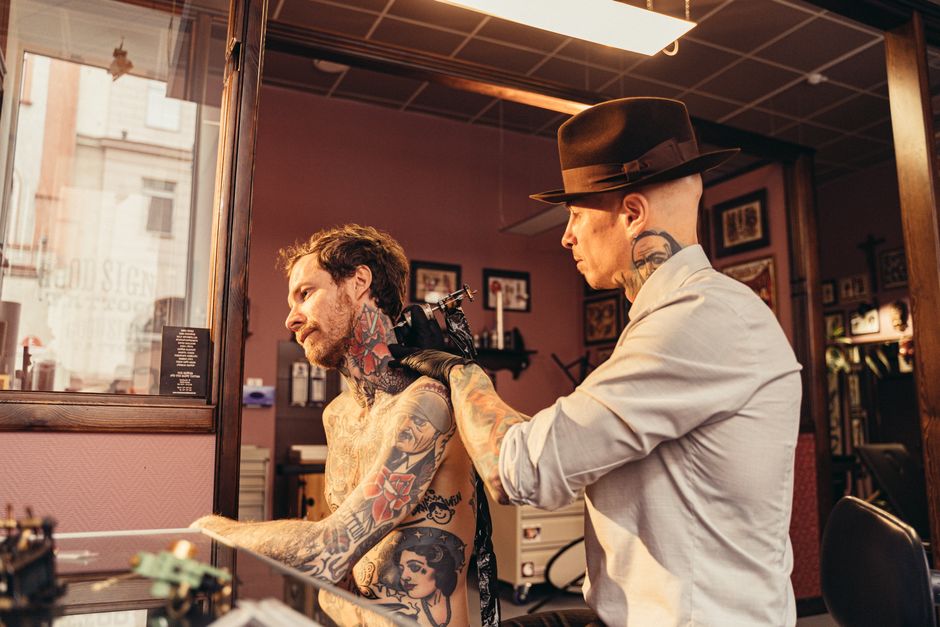
Tattoos are permanent and done on living skin, so precision, depth control and knowing how ink settles decide whether a tattoo looks great years later or blurs.
Tracing a stencil is the easy part. Top Tattoo Artists understand how different skin takes ink, how to pack color without overworking the skin and how to build contrast that reads from across a room.
Safety is part of the craft too. Elite Tattoo Artists treat sterilization seriously, following the OSHA Bloodborne Pathogens Standard to protect every client.
Skill grows through focused effort. A 2019 review in Royal Society Open Science describes “deliberate practice” as activities designed by a skilled teacher specifically to improve performance, which is exactly what good mentorship provides.
How does consistency build a world-class reputation?
Clients judge a Tattoo Artist by whether every tattoo meets a high standard, and referrals grow only when that standard is reliable.
One standout piece gets attention. Hundreds of excellent healed pieces build a career. The difference between a hobbyist and a top professional is repeating great work under pressure, fatigue and tricky placements.
Consistency also keeps clients coming back. According to Pew Research Center, 22% of Americans have more than one tattoo, and those repeat clients are the foundation of a loyal client base.
Pro Tip: Photograph every healed tattoo, not just fresh work. Healed results are the proof of your skill, and they’re what serious clients look for.
Why do the best tattoo artists almost always have a mentor?
In-person feedback catches mistakes you can’t see yourself, shortens the learning curve and passes down knowledge videos can’t replicate.
A Mentor sees your hand angle, your skin stretch and your hesitation before they turn into habits. Even Tattoo Artists who reach the top of the field often credit their teachers. Ed Hardy, for example, traveled to Japan in 1973 to study with master tattooer Horihide, according to JSTOR Daily.
Many tattoo apprentices start after years in other careers. Army paratrooper Daniel Mercedes came back to tattooing seven years later, and Ashley Breaux moved from art school and the military into her tattoo apprenticeship.
Self-teaching rarely produces world-class results, because the feedback is too slow and bad habits set in.
How do top tattoo artists build a brand clients chase?
They pair a recognizable style with smart marketing, a strong online presence and professionalism that turns one-time clients into loyal fans.
Talent opens the door, and a brand keeps your schedule full. Tattoo Artists with long waitlists are known for a specific look or experience, and choosing the right platforms for building your brand helps clients find them.
Television has made some Tattoo Artists household names. Ink Different Master Mentor James Vaughn built his reputation from Ink Master to Master Mentor. Others grow their reach by traveling, and learning to work guest spots around the world can help you build an international following.
What daily habits do elite tattoo artists share?
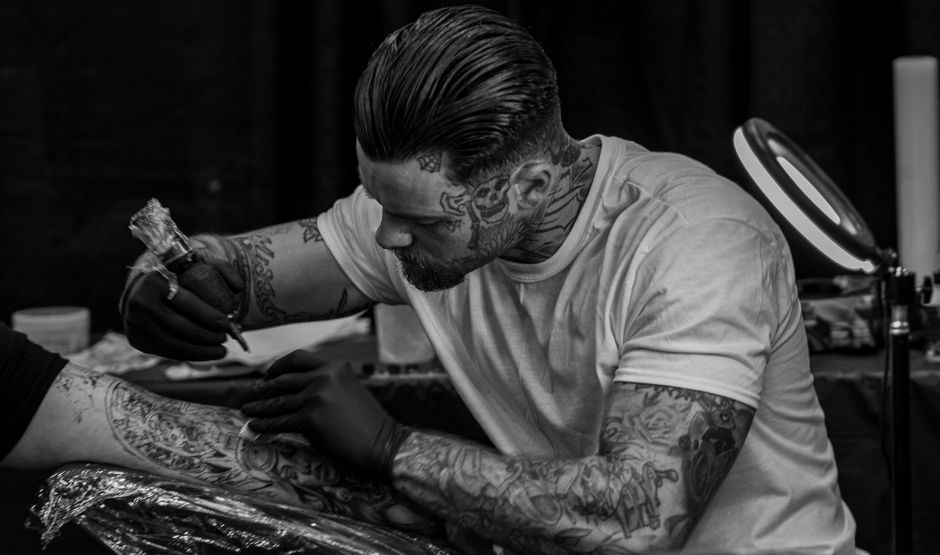
They practice drawing deliberately, study other Tattoo Artists, protect their health and treat every client interaction as a chance to build trust.
Up close, excellence looks like routine: sketching every day, figuring out why a piece works and walking clients through aftercare using guidance like the American Academy of Dermatology’s tips for caring for tattooed skin.
- Draw daily: Fundamentals keep improving with practice.
- Study constantly: Learn from Tattoo Artists more skilled than you.
- Protect your body: In one survey of 34 Tattoo Artists, 94% reported back pain, according to ScienceDaily’s report on the research. Good posture and rest extend your career.
- Protect your mind: Long hours take a toll, so avoiding burnout is part of staying great.
- Communicate clearly: Trust brings clients back.
How can you start the path to becoming world-class?
Commit to structured training with a real Mentor, and treat your training as a serious career investment.
- Decide and commit. Make a plan for your time and finances.
- Learn the fundamentals. Build drawing skills, line control and an understanding of composition.
- Join a structured tattoo apprenticeship. Train hands-on with experienced Mentors in a real tattoo studio.
- Develop your style and brand. Find the style that excites you, and start building your identity.
- Get licensed. Requirements vary by state, as this state-by-state tattoo licensing map shows.
Knowing the most common apprentice mistakes ahead of time helps you avoid them.
Get Serious About Your Craft With Ink Different
Ink Different’s Traditional Tattoo Apprenticeship pairs in-person mentorship with a clear path from beginner to working professional. For 15 years, Ink Different has trained aspiring Tattoo Artists as a college alternative.
The Traditional Tattoo Apprenticeship runs 18 to 24 months across four phases, with in-person training at one of 60+ tattoo studios nationwide. No prior experience is required.
- Phase 1, Art and Design Principles: Drawing, shading, digital design and building a portfolio.
- Phase 2, Machine Mastery and Practice Tattooing: Hand-control exercises, machine operation, lining, shading and color packing.
- Phase 3, Supervised Tattoos: Tattooing real skin under a Mentor’s direct supervision.
- Phase 4, Junior Artist Externship: Building client relationships and refining your skills while you start earning.
A career that comes with confidence
You’ll learn to tattoo, work with clients, meet safety standards and navigate licensing. You’ll finish with job-ready skills, licensing support and a guaranteed job offer at one of Ink Different’s own tattoo studios. Interest-free payment plans help make training more accessible.
Mentorship that pushes your brand and skills further
The one-year, in-person Master Mentorship lets you train with celebrity and award-winning Master Mentors like Jordi Pla and James Vaughn, with a focus on mastering a specific style, growing your career and preparing for business ownership.
Making tattoo training accessible for everyone
We offer Spanish-speaking locations in Denver, Orange County, NYC, Miami, San Antonio and San Diego. Each Mentor takes just two tattoo apprentices per tattoo studio, so seats fill up quickly.
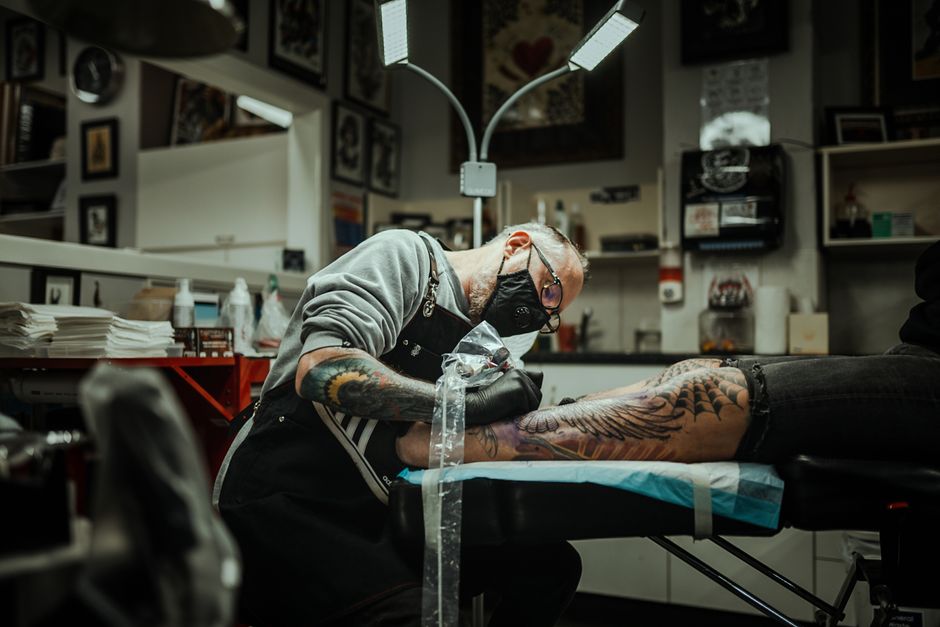
Ready to Become a Tattoo Artist?
The best Tattoo Artists in the world weren’t born great. They found Mentors, put in the work and kept improving. That path is open to you too.
Ready to become a Tattoo Artist? Apply now to Ink Different’s Traditional Tattoo Apprenticeship and start building a career with licensing support along the way.
Frequently Asked Questions
What makes someone one of the best Tattoo Artists in the world?
Technical mastery, a recognizable style, excellent healed results, strict safety practices and consistent professionalism, built over years of practice and mentorship.
Who are some of the most famous Tattoo Artists?
Names often mentioned include Sailor Jerry, Ed Hardy and Horiyoshi III, along with modern award winners and TV-famous Tattoo Artists.
Do you need natural talent to become a great Tattoo Artist?
No. Skill comes from structured training, mentorship and lots of practice. Ink Different’s Traditional Tattoo Apprenticeship is built for beginners.
How long does it take to become a professional Tattoo Artist?
Most tattoo apprenticeships take one to three years. Ink Different’s Traditional Tattoo Apprenticeship takes 18 to 24 months across four phases.
Why is mentorship important?
In-person feedback catches mistakes early, corrects bad habits and passes down knowledge videos can’t, shortening the learning curve.
What habits do top Tattoo Artists share?
Daily drawing, constant learning, protecting their physical and mental health and clear communication with clients.
Sources (all checked November 23, 2026)
- OSHA: Bloodborne Pathogens Standard
- Royal Society Open Science: Deliberate practice review (2019)
- Pew Research Center: 32% of Americans have a tattoo
- JSTOR Daily: How Ed Hardy changed tattooing forever
- ScienceDaily: Being a tattoo artist is a pain in the neck
- American Academy of Dermatology: Caring for tattooed skin