
Career Change at 50: Is Learning a Hands-On Trade Realistic?
November 12, 2026
Low-Stress Jobs That Pay Well Without a Degree
November 12, 2026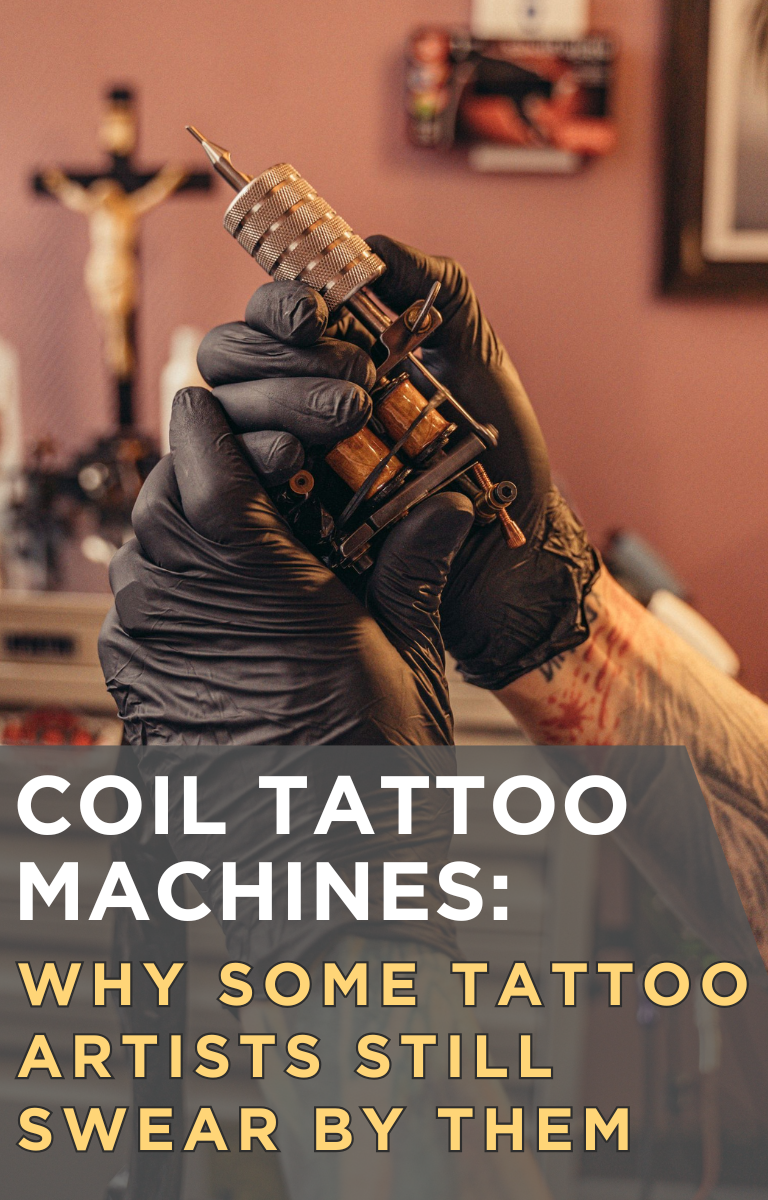
In This Article
- Key Takeaways
- What Is a Coil Tattoo Machine?
- How Does a Coil Tattoo Machine Work?
- Why Do Some Artists Still Swear by Coil Machines?
- How Do Coil Machines Compare to Rotary Machines?
- Who Should Learn on a Coil Tattoo Machine?
- How Do You Tune a Coil Tattoo Machine?
- Why Does Hands-On Mentorship Matter More Than Your Machine?
- Get Serious About Coil Machines With Become A Tattoo Artist
- Ready to Become a Tattoo Artist?
- FAQ
A coil tattoo machine uses electromagnetic coils to pull a spring-loaded armature bar down and let it snap back up, driving the needle in and out of the skin many times per second. It’s the machine behind the classic tattoo studio buzz, and many Tattoo Artists still prefer it for its hit, feedback and tunability.
This guide covers where coil machines came from, how they work, how they compare to rotaries and the basics of tuning. At Ink Different Tattoos, we’ve spent 15 years training Tattoo Artists, and understanding your machine is part of building real skill.
Key Takeaways
- Definition: A coil machine uses electromagnets and springs to drive the needle, creating its distinctive buzz.
- Long history: The coil design dates back to 1890s England, and the two-coil setup was patented by Alfred Charles South of London.
- Why Tattoo Artists love them: Strong hit, tactile feedback and the ability to tune each machine for a specific job.
- Trade-offs: Coils are heavier and louder than rotaries and take more maintenance and tuning.
- Mentorship matters most: No machine replaces a Mentor correcting your technique in real time.
What Is a Coil Tattoo Machine?
A coil tattoo machine is an electromagnetic device that uses copper-wrapped coils to pull an armature bar down, driving the attached needle into the skin, before a spring returns it.
The electric tattoo machine started with a rotary design. According to the overview of the tattoo machine, Thomas Edison’s electric pen, patented as Stencil-Pens in 1876, was originally intended as a duplicating device. In 1891, Samuel O’Reilly discovered it could be modified to tattoo.
The coil design came from England. The first machine based on electromagnetic coil technology was a single coil machine patented by Thomas Riley of London, just twenty days after O’Reilly filed the patent for his rotary machine. Riley placed a modified doorbell assembly in a brass box. The modern two-coil configuration was patented by Alfred Charles South, also of London. Historians debate some details of Riley’s patent, but the doorbell-style design became the basis for coil machines.
For much of the 20th century, coil machines were the standard in tattoo studios. Picking one up today connects you to that history.
How Does a Coil Tattoo Machine Work?
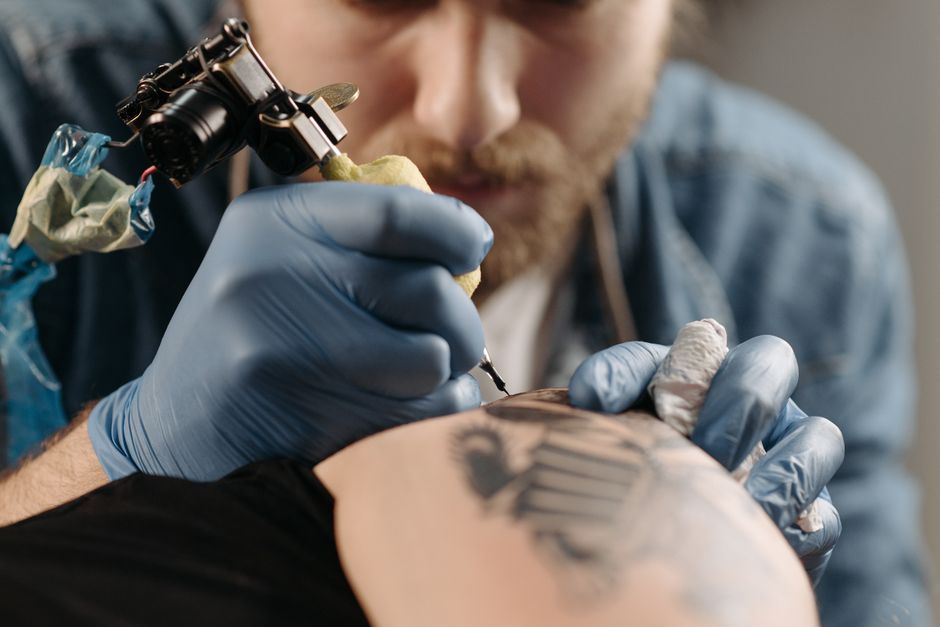
Electric current passes through the coils and creates an electromagnet. That pulls the armature bar down to drive the needle, then breaks the circuit so a spring snaps the bar back up. The cycle repeats rapidly.
Coil machines are powered by regulated DC power supplies, which send current through copper coils to move the armature bar up and down. The contact screw completes and breaks the circuit on every cycle, creating the familiar buzz. You control speed and power through your power supply and the machine’s tuning.
Because the movement is mechanical, you feel the needle working through the machine. That feedback, from your hand to the machine to the skin and back, is a big reason many Tattoo Artists stick with coils.
Pro Tip: Many Tattoo Artists keep separate coil machines tuned for lining and for shading, since each job calls for a different setup.
Why Do Some Artists Still Swear by Coil Machines?
Many Tattoo Artists prefer coil machines for their hit, tactile feedback, control over linework and connection to tattooing’s traditional roots.
Rotary machines are lighter, quieter and often more forgiving. Coil machines ask you to pay close attention to what’s happening between the needle and the skin.
Here’s what keeps many Tattoo Artists loyal to coils:
- Hit and power: Coils are popular for bold traditional lines and solid color packing.
- Tactile feedback: You can feel how the skin is responding, which builds intuition.
- Customization: Coil machines give Tattoo Artists a high degree of control over every aspect of the machine’s function. wikipedia
- Tradition: Coils connect you to the Tattoo Artists and styles that shaped tattooing.
It’s not about resisting new tools. It’s about understanding your equipment well enough that no machine throws you off. To avoid common beginner missteps, read our guide to the mistakes aspiring tattoo apprentices should avoid.
How Do Coil Machines Compare to Rotary Machines?
Coils offer more feedback and a distinct hit, while rotaries are lighter, quieter and more versatile. The right choice comes down to style, comfort and preference.
Neither is better. They’re different tools, like a drummer choosing between acoustic and electronic kits.
- Weight: Rotaries are usually lighter, which can reduce hand fatigue during long sessions.
- Noise: Rotaries run quietly, while coils have the classic buzz.
- Versatility: One rotary machine can often be used for both lining and shading, while coil users often keep separate machines for each. wikipedia
- Maintenance: Coils need more regular tuning and part replacement.
- Feel: Coils give more mechanical feedback, which some Tattoo Artists love and others find tiring.
Understanding your machine is one part of a bigger toolkit. Explore the tools every beginner Tattoo Artist should know.

Who Should Learn on a Coil Tattoo Machine?
Anyone who wants a deep understanding of how tattoo machines work can benefit from learning coils, even if they end up preferring a rotary.
Learning a coil is a bit like learning to drive a manual transmission. It takes more effort at first, but it teaches you what’s happening mechanically. Once you understand voltage, stroke and how a machine responds, every machine becomes easier to work with.
That said, plenty of successful Tattoo Artists work mostly with rotaries. The most important thing is learning from a Mentor who can match your machine to your style and skill level.
How Do You Tune a Coil Tattoo Machine?
You tune a coil machine by adjusting the power supply voltage, the contact screw gap and spring tension until it runs cleanly for the job, whether that’s lining or shading.
Tuning is a skill you build through repetition with an experienced Mentor. Here’s a simplified overview. Every machine is different, so treat these as general starting points, not fixed rules.
Step 1: Set Your Voltage
Start low and increase gradually while listening to the machine. Lining setups often run at a different voltage than shading setups. Your Mentor will help you find the right range for your machine.
Step 2: Check the Contact Screw Gap
The gap between the contact screw and the armature bar affects speed and hit. If it’s too tight, the machine may not cycle properly. If it’s too loose, you can lose power.
Step 3: Adjust Spring Tension
Spring stiffness changes how hard the machine hits. Stiffer setups often suit lining, while softer setups often suit shading.
Step 4: Test the Cycle
Run the machine and listen for a clean, steady buzz. A stuttering or uneven sound usually means something needs adjusting.
Step 5: Fine-Tune on Practice Skin
Watch how the needle deposits ink on synthetic skin and refine your setup until it feels right in your hand.
Hygiene comes first with any machine. Follow the OSHA Bloodborne Pathogens Standard. Source notes that traditional coil machines can’t be autoclaved without major disassembly, unlike some newer designs. That’s one reason barrier protection and careful cleaning matter so much with coils.
Why Does Hands-On Mentorship Matter More Than Your Machine?
No machine can teach you timing, pressure and intuition. Those come from a Mentor correcting your technique in real time.
You can read every forum thread on coil tuning and still struggle the first time you hold a running machine over skin. That gap between theory and practice is where many self-taught beginners stall.
A Mentor beside you, watching your hand and catching mistakes before they become permanent, is what builds real confidence.
Get Serious About Coil Machines With Ink Different Tattoos
Ink Different’s Traditional Tattoo Apprenticeship includes machine training as part of a structured path. Phase 2, Machine Mastery and Practice Tattooing, introduces the basic operation of a professional tattoo machine. It also builds lining, shading, gradients and solid color packing.
For 15 years, we’ve been a college alternative for aspiring Tattoo Artists. Our “Good Humans” culture means you join a supportive, family-like community.
What You Can Expect from Our Traditional Tattoo Apprenticeship
- Length: 18 to 24 months across four structured phases.
- Personalized training: Hands-on instruction tailored to you.
- In-person training: Train with a Mentor at one of 60+ tattoo studios nationwide.
- Beginner-friendly: No prior art experience is needed.
- Licensing support: Job-ready skills and guidance toward your tattoo license.
- Interest-free payment plans: Flexible payments make training more accessible.
A Career That Comes With Confidence
You’ll finish knowing how to run a session, work with clients and carry yourself as a professional. You’ll also have licensing support and a guaranteed job offer at one of Ink Different’s own tattoo studios. According to ZipRecruiter, the average Tattoo Artist in the United States earns $106,858 a year as of November 2026.
Mentorship That Pushes Your Brand and Skills Further
Our one-year, in-person Master Mentorship is led by celebrity and award-winning Master Mentors, including Al Fliction, Liz Cook, Kyle Dunbar, Boneface, Jordi Pla and Marcel Oliveira. It’s built for mastering a specific style, growing your career and owning your own business.
Making Tattoo Training Accessible for Everyone
We offer Spanish-speaking locations in Denver, Orange County, NYC, Miami, San Antonio and San Diego.

Ready to Become a Tattoo Artist?
Coil machines have powered tattooing for well over a century, and they still reward Tattoo Artists who take the time to understand them. Whether you end up on a coil or a rotary, the skill comes from training and practice with a Mentor. Each Mentor takes just two tattoo apprentices per tattoo studio, so seats fill up quickly.
Ready to become a Tattoo Artist? Apply now to Ink Different’s Traditional Tattoo Apprenticeship and start building an AI-proof career, with licensing support along the way.
Frequently Asked Questions
Are coil tattoo machines better than rotary machines?
Neither is better. Coils offer more feedback and a distinct hit, while rotaries are lighter, quieter and often more versatile. It comes down to style and comfort.
Who invented the coil tattoo machine?
Thomas Riley of London is credited with a single-coil machine in 1891, built from a modified doorbell assembly. Alfred Charles South, also of London, patented the two-coil configuration.
Why do coil machines buzz?
The contact screw rapidly completes and breaks the electrical circuit as the armature bar moves, creating the classic buzzing sound.
Do I need experience to learn on a coil tattoo machine?
No. Ink Different’s Traditional Tattoo Apprenticeship is built for beginners. Phase 2 covers the basic operation of a professional tattoo machine.
How long does it take to become a Tattoo Artist?
Most tattoo apprenticeships take one to three years. Ink Different’s Traditional Tattoo Apprenticeship takes 18 to 24 months across four phases.
Why do some Tattoo Artists still prefer coil machines?
Many like the hit, the control over linework, the ability to tune each machine and the connection to tattooing’s traditional roots.