How to Become a Tattoo Artist in South Dakota
August 19, 2026
How to Become a Tattoo Artist in Alaska
August 20, 2026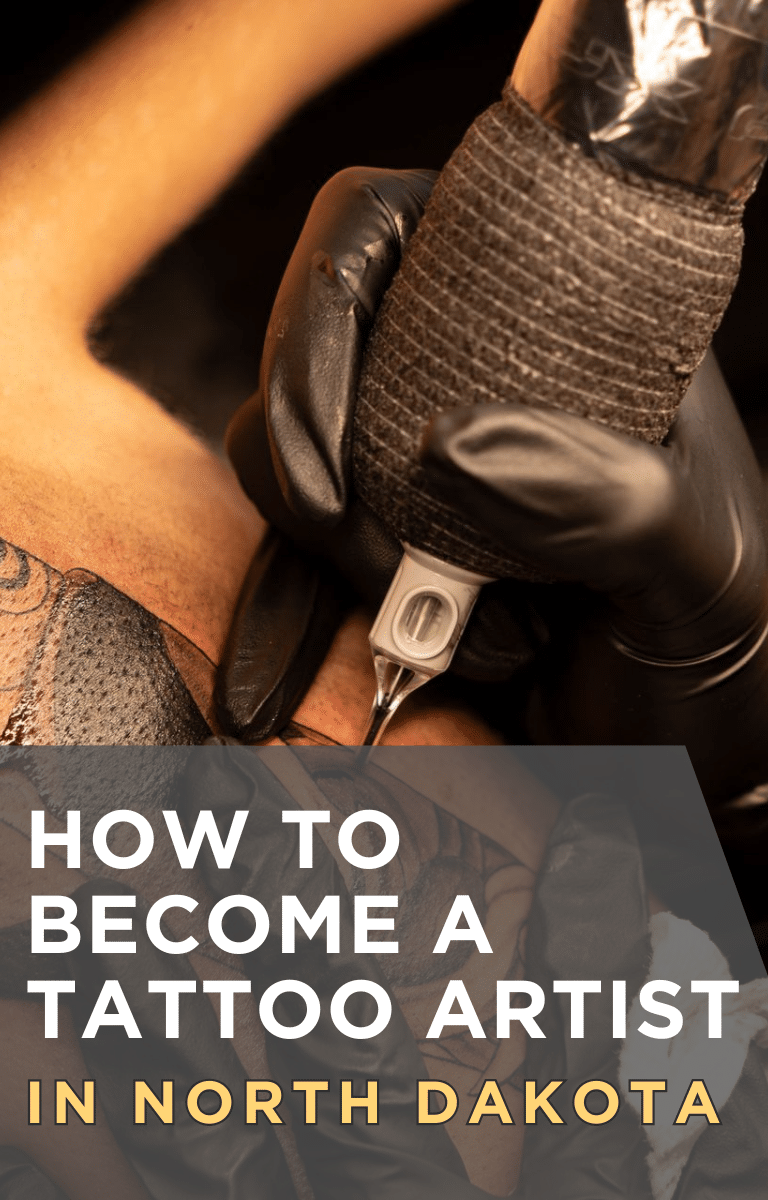
Learning how to become a Tattoo Artist in North Dakota starts with understanding one key idea: the state uses a shop-centered system rather than a personal license you carry from place to place. A tattoo license in North Dakota is best understood as registration to practice through a permitted tattoo establishment, overseen by the North Dakota Department of Health and Human Services under N.D. Code § 23-01-35. Tattooing is a hands-on craft that machines cannot replace, and that makes it one of the most AI-proof creative careers you can build today.
This guide walks you through how North Dakota regulates tattooing, what that means for your career, the step by step path, costs to expect, common mistakes, and how to train with Ink Different, the college alternative built like the Juilliard of tattoo education.
Key Takeaways
- Regulator: The North Dakota Department of Health and Human Services oversees tattooing under N.D. Code § 23-01-35.
- Model: North Dakota uses a shop-only registration model, so you practice through a permitted establishment.
- Transfers: Out-of-state licenses are ineligible for transfer, so plan to register locally.
- Core requirements: Practitioner registration, OSHA bloodborne pathogens standards, and annual facility inspections.
- Career outlook: A Professional Tattoo Artist can earn over $106,000 a year, according to ZipRecruiter.
How does North Dakota regulate tattooing?
North Dakota regulates tattooing through the Department of Health and Human Services under N.D. Code § 23-01-35, using a shop-only model that ties each practitioner to a permitted establishment. Instead of issuing a standalone artist license, the state focuses on the tattoo establishment as the point of oversight.
Under this system, a practitioner is registered through a permitted establishment rather than holding an independent credential. The state also expects compliance with OSHA bloodborne pathogens standards and requires annual facility inspections to keep the establishment permitted.
Because the framework is shop-centric, your ability to work legally is connected to the Tattoo Studio where you practice. That is a common approach in states that prioritize sanitation and facility safety over individual examinations.
Tip: Always confirm the current requirements and forms directly with North Dakota HHS before you register. Rules and procedures can change, and the official source is the authority.
What does the shop-only model mean for you?
The shop-only model means your path to working legally runs through a permitted Tattoo Studio, so choosing the right establishment is as important as building your skills. You register as a practitioner through that establishment rather than obtaining a portable personal license.
For a new Tattoo Artist, this has a few practical effects. First, you need a permitted establishment willing to host and register you. Second, that establishment must maintain OSHA bloodborne pathogens compliance and pass its annual facility inspections. Third, your professional standing is tied to the studio’s good standing.
This is actually good news for someone learning the trade. It rewards Tattoo Artists who train inside a real, compliant Tattoo Studio and who understand safety and sanitation from day one. A strong tattoo apprenticeship inside a permitted shop lines up perfectly with how the state expects you to work.
How do you get a tattoo license in North Dakota step by step?
To get a tattoo license in North Dakota, you learn to tattoo through a tattoo apprenticeship, then register as a practitioner through a permitted establishment that meets OSHA and inspection requirements. Here is a clear sequence to follow.
- Learn the craft properly. Enroll in a structured Tattoo Apprenticeship under an experienced Mentor. This builds the drawing, machine, and safety skills you need before you ever touch skin professionally.
- Master bloodborne pathogens safety. Study and follow OSHA bloodborne pathogens standards. Safe technique is central to the North Dakota model and to protecting your clients.
- Find a permitted establishment. Because registration happens through a shop, connect with a permitted Tattoo Studio that maintains its permit and passes annual facility inspections.
- Register as a practitioner. Complete practitioner registration through that permitted establishment as directed by North Dakota HHS.
- Keep everything current. Support your studio in maintaining compliance so your ability to practice stays intact.
The exact forms, documentation, and any renewal details should be confirmed with North Dakota HHS. The verified process centers on practitioner registration, OSHA compliance, and inspected facilities, so build your plan around those three pillars.
What does a tattoo license in North Dakota cost?
Specific tattoo licensing fees for North Dakota are not listed in the verified requirements here, so confirm current costs directly with the North Dakota Department of Health and Human Services. Do not rely on secondhand fee figures that may be outdated or incorrect.
What you can plan for are the real costs of building a career: your education and tattoo apprenticeship, quality equipment, and the ongoing supplies needed to meet OSHA bloodborne pathogens standards. The establishment you join carries the cost and responsibility of its permit and annual facility inspections.
When you weigh these costs, compare them to the earning potential. A Professional Tattoo Artist can earn over $106,000 a year according to ZipRecruiter, which makes serious training a sound investment compared to a traditional four year degree.
Warning: Never guess at a fee or copy a number from an unofficial site. Verify every dollar amount with North Dakota HHS before you budget.
Can you transfer a tattoo license from another state?
No, North Dakota lists out-of-state tattoo licenses as ineligible for transfer, so you register locally through a permitted establishment rather than porting a credential. Plan to establish your standing inside the North Dakota system directly.
If you are relocating, your portfolio, technique, and safety training all travel with you, but the credential itself does not. Find a permitted Tattoo Studio in North Dakota, complete practitioner registration through it, and confirm any documentation requirements with North Dakota HHS.
Treat the move as a fresh registration rather than a transfer. Your experience will still shine through in your work and your professionalism, which are what studios and clients truly value.
What mistakes should you avoid?
The biggest mistakes in North Dakota are assuming you hold a portable personal license, skipping OSHA safety training, and choosing a studio that cannot keep its permit current. Avoiding these keeps your career on solid ground.
- Assuming a transfer will work. Out-of-state licenses are ineligible, so do not delay your local registration expecting reciprocity.
- Underestimating safety. OSHA bloodborne pathogens standards are central to the model, not an afterthought.
- Ignoring the establishment’s status. Since you register through a permitted shop, its permit and annual facility inspections directly affect you.
- Trying to skip real training. Look for a genuine Tattoo Apprenticeship, never a shortcut. There is no substitute for guided practice under a Mentor.
- Guessing at rules. Confirm current procedures, forms, and fees with North Dakota HHS every time.
How do you learn to tattoo with Ink Different?
You learn to tattoo with Ink Different through a structured Traditional Tattoo Apprenticeship that pairs you with a Mentor and builds real studio-ready skills and safety habits. We are the college alternative, built to be the Juilliard of tattoo education.
Our Traditional Tattoo Apprenticeship focuses on the fundamentals that matter in North Dakota’s shop-only system: strong drawing, confident machine control, and disciplined OSHA bloodborne pathogens practice. You train the way the state expects you to work, inside a real, compliant environment.
Because your path to a tattoo license in North Dakota runs through a permitted establishment, we also support you with licensing guidance so you understand each step and where to verify official requirements. You focus on becoming an exceptional Tattoo Artist while we help you navigate the process.
Ready to become a Tattoo Artist? Apply now to Ink Different’s Traditional Tattoo Apprenticeship and start building an AI-proof career, with licensing support along the way.
Frequently Asked Questions
Do I need a personal tattoo license in North Dakota?
North Dakota uses a shop-only model, so you register as a practitioner through a permitted establishment rather than holding a standalone personal license. Confirm current steps with North Dakota HHS.
Who regulates tattooing in North Dakota?
The North Dakota Department of Health and Human Services regulates tattooing under N.D. Code § 23-01-35, with oversight centered on permitted establishments and annual facility inspections.
Can I transfer my tattoo license from another state to North Dakota?
No, out-of-state tattoo licenses are ineligible for transfer in North Dakota. You register locally through a permitted establishment instead of porting an existing credential.
What safety standards apply to tattooing in North Dakota?
Tattooing in North Dakota follows OSHA bloodborne pathogens standards, and permitted establishments must pass annual facility inspections to remain in good standing.
How much does a tattoo license cost in North Dakota?
Specific fees are not listed in the verified requirements here, so confirm current costs directly with the North Dakota Department of Health and Human Services before budgeting.
How much can a Tattoo Artist earn?
A Professional Tattoo Artist can earn over $106,000 a year, according to ZipRecruiter, making skilled tattooing a strong AI-proof career and college alternative.
Official resources
Always verify the latest requirements, forms, and fees before you register.