
Apprentice Spotlight: “You Have to Jump,” Why Daniel Mercedes Came Back to Tattooing After Seven Years
November 19, 2026
Famous Tattoo Artists Every Apprentice Should Know
November 20, 2026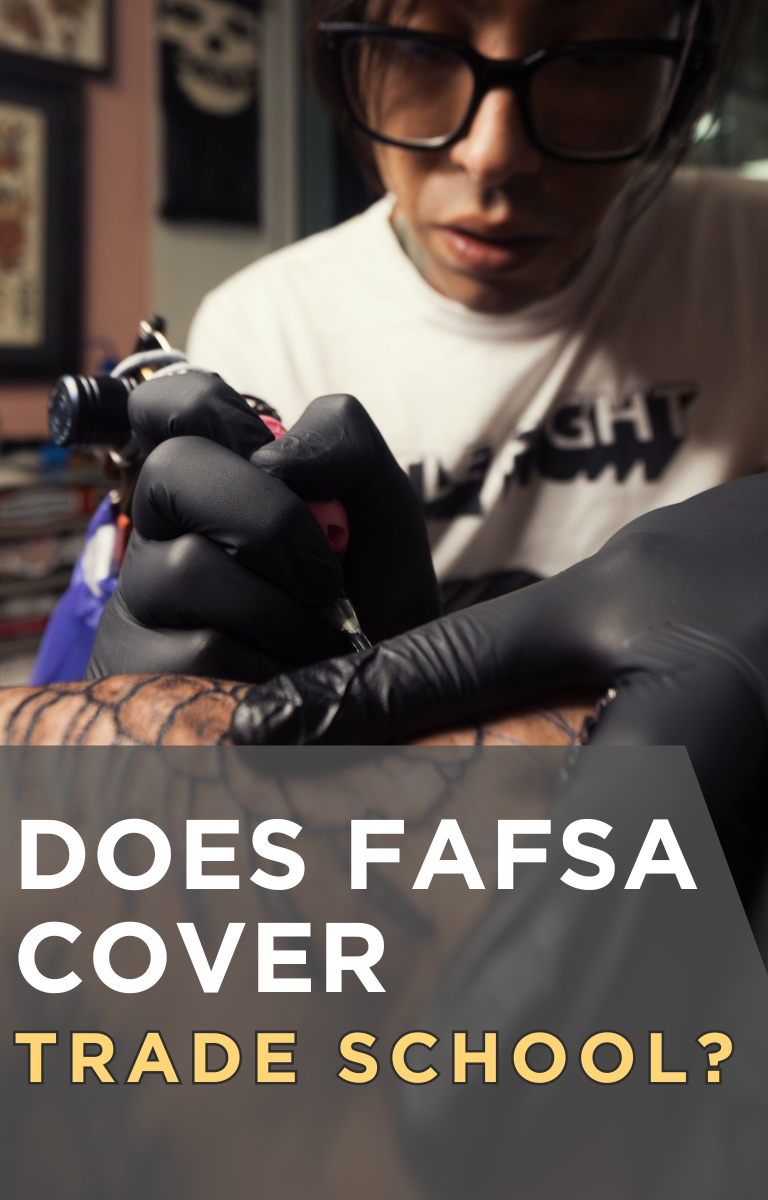
In This Article
- Key Takeaways
- What is FAFSA and how does it work?
- Does FAFSA cover trade school?
- Does FAFSA cover tattoo training or apprenticeships?
- How do you apply for FAFSA for trade school?
- What Other Funding Options Exist for Trade School and Tattoo Training?
- Why Choose a Tattoo Apprenticeship Over a Traditional Degree?
- What Does the Ink Different Traditional Tattoo Apprenticeship Offer?
- Frequently Asked Questions
- Ready to take the first step?
FAFSA can cover trade school, but only when the school and program are eligible for federal student aid. That means the school must be accredited and approved to take part in federal aid programs. Many community colleges and technical schools qualify. Plenty of training options, including most tattoo apprenticeships, don’t.
The Free Application for Federal Student Aid (FAFSA) is the form you use to apply for federal grants, loans and work-study. The maximum Pell Grant for the 2026-27 award year is $7,395, according to a Congressional Research Service report. This guide explains how FAFSA works for trade school, how to apply and what to do if your training isn’t eligible. It’s general information, so always confirm eligibility with Federal Student Aid and the school directly.
Key Takeaways
- Trade schools can qualify: FAFSA can be used at accredited trade schools that participate in federal student aid.
- Check each program: Being called a “trade school” doesn’t make a program eligible. Federal participation is what counts.
- Short programs may qualify: The new Workforce Pell Grant covers certain approved short-term programs of 8 to 15 weeks.
- Most tattoo apprenticeships don’t qualify: They’re usually based in tattoo studios, not federally eligible schools.
- Other options exist: Payment plans, savings, scholarships and workforce funding can help cover training costs.
What Is FAFSA and How Does It Work?
FAFSA is a free federal form that determines your eligibility for federal grants, loans and work-study, based on your financial situation and the school you plan to attend.
You fill it out for each academic year. The information is sent to the schools you list, and each school uses it to put together your aid offer. Aid can include Pell Grants, which generally don’t need to be repaid, as well as federal student loans and work-study.
Timing matters. For the 2027-28 school year, the FAFSA was scheduled to open by October 1, 2026, with a federal deadline of June 30, 2028, according to Saving for College. Many states and schools set much earlier deadlines, and some aid is first-come, first-served.

Does FAFSA cover trade school?
Yes, if the trade school is accredited and participates in federal student aid programs. You’ll need to check each school individually.
Many trade and technical programs are eligible, including welding, HVAC, medical assisting and cosmetology programs at participating schools. Eligible schools have a Federal School Code you can find when filling out the FAFSA.
Short programs are getting more attention too. As of July 1, 2026, the new Workforce Pell Grant can help eligible students pay for approved short-term programs. According to a fact sheet from the Maine State Workforce Board, these are non-degree workforce training programs of 8 to 15 weeks, and states play a major role in approving which programs qualify.
Pro Tip: Before counting on federal aid, confirm the school’s Federal School Code and ask its financial aid office whether your specific program is eligible.
Does FAFSA cover tattoo training or apprenticeships?
In most cases, no. Most tattoo apprenticeships take place in working tattoo studios rather than federally eligible schools, so they generally aren’t set up for federal student aid.
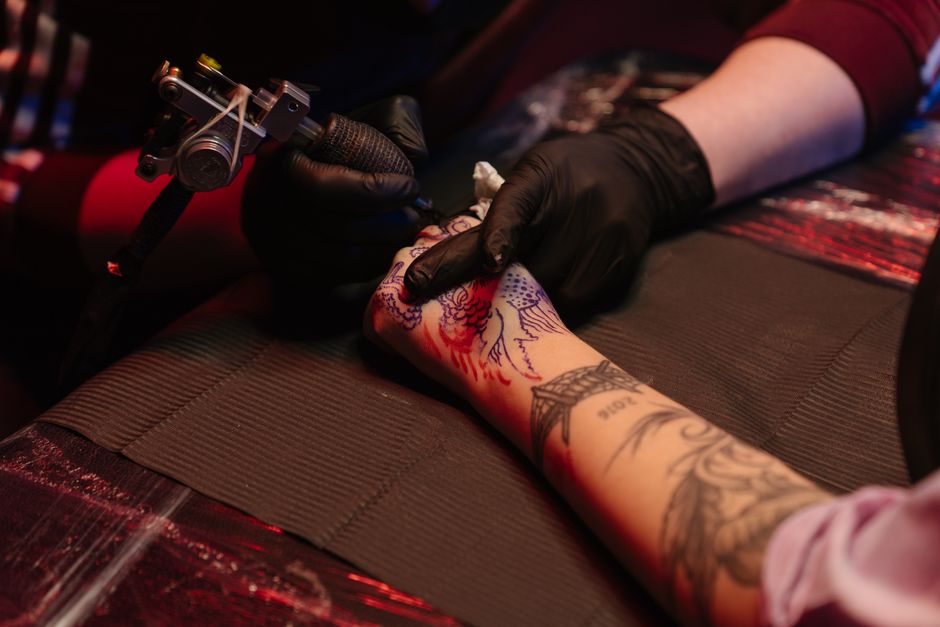
Tattooing has traditionally been taught hands-on, with an experienced Tattoo Artist guiding a tattoo apprentice through real work in a tattoo studio. That’s a big part of why the skills hold their value, but it also means funding usually works differently than it does for college.
If federal aid matters to your plans, ask any training provider directly whether their program is eligible before you enroll.
How do you apply for FAFSA for trade school?
Create a StudentAid.gov account, gather your documents, complete the FAFSA online and list your school.
- Create your StudentAid.gov account. Everyone contributing information, like a parent or spouse if required, needs their own account.
- Gather your documents. You’ll typically need your Social Security number, tax information and records of income and assets.
- Confirm the school is eligible. Look up its Federal School Code and check with its financial aid office.
- Complete the FAFSA. According to UNCF, most applicants now finish the form in under 30 minutes, and you can list up to 20 schools online.
- Review your aid offer. After your FAFSA is processed, the school sends an aid offer showing what you qualify for.

What Other Funding Options Exist for Trade School and Tattoo Training?
If FAFSA doesn’t apply, you can often fund training through payment plans, savings, scholarships, workforce programs or employer sponsorship.
- Payment plans: Many training providers let you spread the cost over monthly payments.
- Savings and part-time work: Many people keep working while they train.
- Scholarships: Some private and community scholarships aren’t tied to a specific school. Read each one’s rules carefully.
- Workforce programs: State and local workforce agencies may fund training for in-demand jobs. The Department of Labor’s CareerOneStop Local Training Finder lists programs approved for workforce funding.
- Veteran benefits: Some training programs are approved for VA education benefits. Check eligibility with the specific program.
Why choose a tattoo apprenticeship over a traditional degree?
A tattoo apprenticeship builds hands-on, in-demand skills in a working tattoo studio, usually at a lower cost and in less time than a four-year degree.
The cost difference can be significant. The College Board reports average published tuition and fees of $11,950 a year for in-state students at public four-year colleges in 2025-26. That’s a big reason more people are looking at tattoo apprenticeships as an alternative to college.
The earning potential is real, too. Once you’re working, your income grows with your skill and client base. ZipRecruiter puts the average Tattoo Artist salary in the United States at $106,858 a year as of November 2026. Tattooing is also hands-on, person-to-person work that’s hard to automate.
Remember: The right training builds a strong foundation. Skipping steps to save time or money usually costs more in the long run.
What does the Ink Different Traditional Tattoo Apprenticeship offer?
Ink Different’s Traditional Tattoo Apprenticeship is an 18 to 24 month, four-phase path that teaches beginners to tattoo professionally, with in-person mentorship and licensing support. It isn’t funded through federal student aid. Instead, Ink Different offers interest-free payment plans.
For 15 years, Ink Different has trained aspiring Tattoo Artists as a college alternative. You train in person with a Mentor at one of 60+ tattoo studios nationwide, and no prior art experience is required.
- Phase 1, Art and Design Principles: Drawing, shading, digital design and building a portfolio.
- Phase 2, Machine Mastery and Practice Tattooing: Hand-control exercises, machine operation, lining, shading and color packing.
- Phase 3, Supervised Tattoos: Tattooing real skin under a Mentor’s direct supervision.
- Phase 4, Junior Artist Externship: Building client relationships and refining your skills while you start earning.
A Career That Comes With Confidence
You’ll finish with job-ready skills, licensing support and a guaranteed job offer at one of Ink Different’s own tattoo studios. Training covers safety standards like the OSHA Bloodborne Pathogens Standard. Licensing varies by state, so it helps to learn your local rules early, whether that’s getting licensed in Texas, meeting California’s requirements or understanding how long licensing takes in Colorado.
Mentorship That Pushes Your Brand and Skills Further
Our one-year, in-person Master Mentorship lets you train with celebrity and award-winning Master Mentors, including Al Fliction, Liz Cook, Kyle Dunbar, Boneface, Jordi Pla and Marcel Oliveira. It’s built for beginners and experienced Tattoo Artists who want to master a specific style, grow their career or own a tattoo studio.
Making Tattoo Training Accessible for Everyone
We offer Spanish-speaking locations in Denver, Orange County, NYC, Miami, San Antonio and San Diego. Our “Good Humans” culture means you join a supportive, family-like community from your first lines to your first paying client.
Frequently Asked Questions
Does FAFSA cover trade school?
It can, if the school is accredited and participates in federal student aid. Check each school’s eligibility and Federal School Code.
Can FAFSA cover short trade programs?
Possibly. The Workforce Pell Grant, effective July 1, 2026, covers eligible approved programs of 8 to 15 weeks. State approval plays a big role.
Can I use FAFSA for a tattoo apprenticeship?
Generally, no. Most tattoo apprenticeships aren’t offered through federally eligible schools. Ask any provider directly about eligibility.
When is the FAFSA deadline?
The federal deadline for the 2027-28 FAFSA is June 30, 2028, but many states and schools have earlier deadlines, so file as early as you can.
How can I pay for tattoo training without FAFSA?
Common options include payment plans, savings, part-time work and private scholarships. Ink Different offers interest-free payment plans for the Traditional Tattoo Apprenticeship.
Do I need prior art experience to join a tattoo apprenticeship?
No. Ink Different’s Traditional Tattoo Apprenticeship is built for beginners and starts with art and design principles.
Ready to take the first step?
FAFSA can be a big help if your trade school is eligible. If you’re drawn to tattooing, plan your funding around how tattoo training actually works, and choose training that gets you job-ready. Each Mentor takes just two tattoo apprentices per tattoo studio, so seats fill up quickly.
Ready to become a Tattoo Artist? Apply now to Ink Different’s Traditional Tattoo Apprenticeship and start building an AI-proof career with licensing support along the way.
Related reading: 9 tools every beginner tattoo artist should know and start your tattoo apprenticeship this spring.