
How to Become a Tattoo Artist in West Virginia
August 17, 2026
How to Become a Tattoo Artist in New Hampshire
August 17, 2026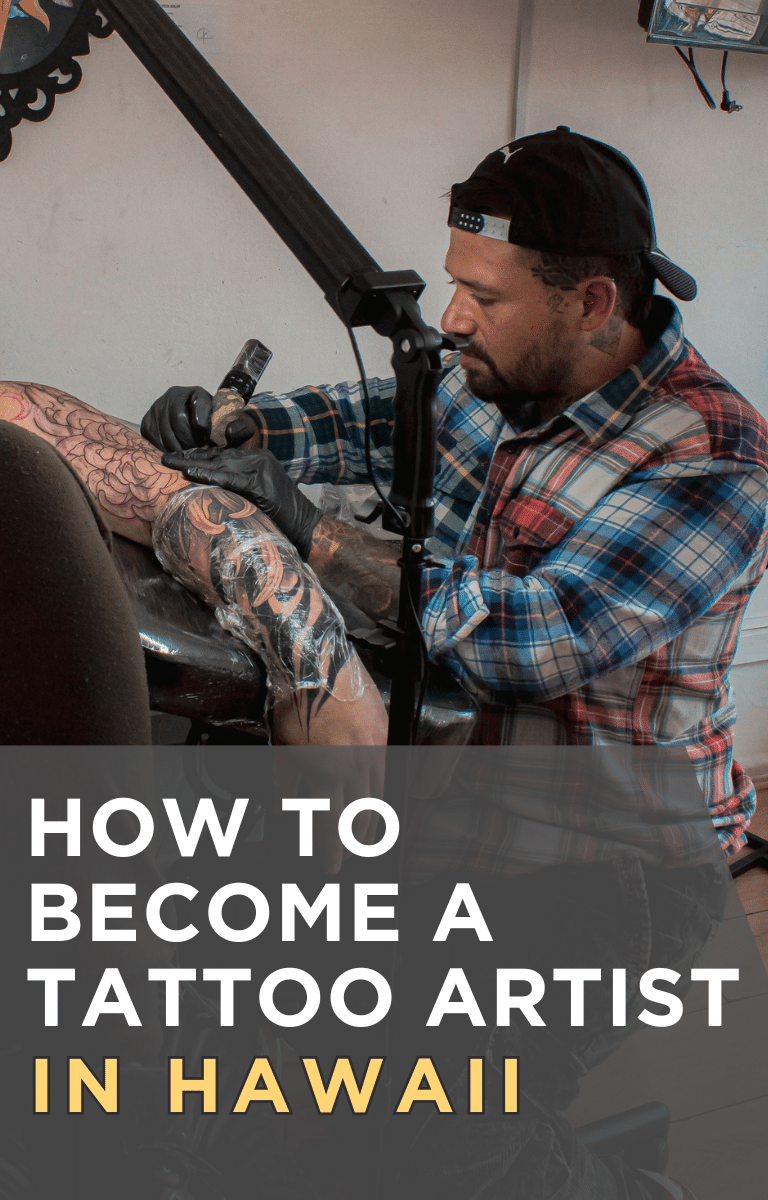
Getting a tattoo license in Hawaii is the legal gateway to working as a professional Tattoo Artist in the islands. The Hawaii Department of Health issues this credential once you meet the state’s health, exam, and certification requirements.
This guide walks you through how Hawaii regulates tattooing and what steps you need to take. You will also see how a tattoo apprenticeship can prepare you for a lasting career in the trade.
Table of Contents
- How does Hawaii regulate tattooing?
- What does state licensing mean for you?
- How do you get a tattoo license in Hawaii step by step?
- What are the medical and exam requirements?
- What does a tattoo license in Hawaii cost?
- What if you are moving to Hawaii from another state?
- What mistakes should you avoid?
- How do you learn to tattoo with Ink Different?
- Frequently Asked Questions
Key Takeaways
- Regulator: The Hawaii Department of Health, Sanitation Branch, issues tattoo licenses under Hawaii Rev. Stat. § 321-13.
- Licensing model: Hawaii uses a statewide state-license model, so your credential comes from the state, not the county.
- Unique requirement: Hawaii is one of the only states that requires Tuberculosis and Syphilis medical reports to license Tattoo Artists.
- Also required: Bloodborne pathogens (BBP) certification and a written exam are part of the licensing process.
- Renewal: Licenses typically expire at the end of even-numbered years.
How does Hawaii regulate tattooing?
Hawaii regulates tattooing at the state level through the Department of Health, Sanitation Branch, under Hawaii Rev. Stat. § 321-13. This means the rules are consistent across the islands rather than varying county by county.
The Sanitation Branch focuses on public health and safety, which is why the licensing process centers on sanitation, bloodborne pathogens, and specific medical screening. You can review current rules and lists directly through the Hawaii Sanitation Branch resource linked at the end of this guide.
Because Hawaii uses a state-license model, one credential authorizes you to work legally as a Tattoo Artist throughout the state, provided you also work in a compliant Tattoo Studio.
What does state licensing mean for you?
A state-license model means your tattoo license Hawaii is granted and recognized statewide, so you do not need separate county permits to tattoo legally.
For an aspiring Tattoo Artist, this creates a clear target: satisfy the Department of Health requirements, pass the written exam, and keep your credential current. It also means the health standards you learn in training map directly to what the state expects of you on the job.
State licensing rewards artists who take safety and professionalism seriously. That is exactly the mindset a strong tattoo apprenticeship builds, and it is a reason a professional career in tattooing remains resilient in an age of automation. A Professional Tattoo Artist can earn over $106,000 a year according to ZipRecruiter, and that income comes from human skill, trust, and creativity that AI cannot replicate.
How do you get a tattoo license in Hawaii step by step?
To get a tattoo license in Hawaii, you complete health and safety training, gather the required medical reports, pass the written exam, and submit your application to the Department of Health.
- Learn the craft properly. Enroll in a structured tattoo apprenticeship under an experienced Mentor so you develop real skill and safe practices before you ever apply.
- Complete BBP certification. Bloodborne pathogens training is a required part of licensing in Hawaii.
- Obtain your medical reports. Secure the Tuberculosis (TB) and Syphilis medical reports the state requires.
- Prepare for the written exam. Study the sanitation and safety material the Department of Health expects you to know.
- Submit your application. File the Tattoo License Application with the Sanitation Branch and follow the instructions on the official form.
- Renew on schedule. Track your renewal because licenses typically expire at the end of even-numbered years.
Tip: Always confirm the current forms, fees, and exam details on the official Hawaii Department of Health resources before you apply. Requirements and instructions can change, and the official source is the only place to verify them.
What are the medical and exam requirements?
Hawaii requires BBP certification, Tuberculosis and Syphilis medical reports, and a written exam to license Tattoo Artists. This medical screening makes Hawaii distinct from most other states.
Bloodborne pathogens certification
BBP certification demonstrates that you understand how to prevent the transmission of infections in a tattoo setting. It is foundational to safe practice. For the specific standards Hawaii recognizes, confirm the details with the official Hawaii Sanitation Branch resources.
TB and Syphilis medical reports
Hawaii is one of the only states that requires both Tuberculosis and Syphilis medical reports as part of the licensing process. Plan ahead so your medical documentation is ready when you submit your application.
Written exam
A written exam is part of licensing in Hawaii. It tests your knowledge of safe, sanitary tattooing. For the exact exam format and content, rely on the official Hawaii Sanitation Branch guidance rather than assumptions.
What does a tattoo license in Hawaii cost?
The exact tattoo license fees in Hawaii are set by the Department of Health, so you should confirm current costs directly on the official Tattoo License Application before you apply.
Beyond any state fee, budget for the supporting requirements: BBP certification, and the Tuberculosis and Syphilis medical reports. These are practical costs tied to meeting the state’s standards.
We will not guess at dollar amounts here, because publishing an inaccurate number could cost you time and money. Use the official application linked below to verify every fee before you submit anything.
What if you are moving to Hawaii from another state?
Hawaii’s transfer status is guest, which means visiting or relocating artists should confirm how guest arrangements work with the Department of Health before tattooing in the state.
If you already tattoo elsewhere, do not assume your current credential automatically transfers. Contact the Sanitation Branch to understand what a guest status allows and what documentation you must provide, including the medical reports Hawaii requires.
Because the specifics of guest arrangements are set by the state, treat the official resources as your single source of truth and reach out directly with any questions about your situation.
What mistakes should you avoid?
The most common mistakes are skipping the required medical reports, underestimating the written exam, and missing the renewal deadline.
- Ignoring the medical screening. Hawaii’s TB and Syphilis reports are not optional, and gathering them late can stall your application.
- Trying to shortcut training. There is no substitute for a proper tattoo apprenticeship under a skilled Mentor. Avoid anything calling itself a tattoo school in place of hands-on, supervised training.
- Forgetting renewal timing. Licenses typically expire at the end of even-numbered years, so mark your calendar early.
- Guessing at requirements. Fees and procedures change. Always verify the current details on the official Department of Health resources.
- Neglecting studio standards. A license is only part of the picture. You must also work within a clean, compliant Tattoo Studio using properly maintained equipment, including your Tattoo Machine.
How do you learn to tattoo with Ink Different?
Ink Different is a serious college alternative that trains you through a Traditional Tattoo Apprenticeship built around real skill and professional standards.
Instead of paying for years of general schooling, you learn the craft directly from an experienced Mentor. You develop the creative skill, safety knowledge, and studio discipline a tattooing career demands. This is how you build an AI-proof future, because clients pay for human creativity and trust that automation cannot copy. The Traditional Tattoo Apprenticeship runs 18 to 24 months across four phases and welcomes beginners.
Our Traditional Tattoo Apprenticeship prepares you for the realities of professional work. That includes the health and safety expectations that underpin licensing in states like Hawaii. We provide licensing support along the way so you understand what your state requires and how to meet it.
Ready to become a Tattoo Artist? Apply now to Ink Different’s Traditional Tattoo Apprenticeship and start building an AI-proof career, with licensing support along the way.
Frequently Asked Questions
Who issues a tattoo license in Hawaii?
The Hawaii Department of Health, Sanitation Branch, issues tattoo licenses under Hawaii Rev. Stat. § 321-13. It is the statewide authority for tattoo licensing.
Does Hawaii really require medical tests to tattoo?
Yes. Hawaii is one of the only states that requires Tuberculosis (TB) and Syphilis medical reports as part of the tattoo licensing process.
Is there a written exam for a tattoo license in Hawaii?
Yes. A written exam is part of licensing in Hawaii. Confirm the current exam format and content through the official Hawaii Sanitation Branch resources.
How often do I renew my Hawaii tattoo license?
Licenses in Hawaii typically expire at the end of even-numbered years. Verify your specific renewal timing and requirements with the Department of Health.
Can I transfer my out-of-state tattoo license to Hawaii?
Hawaii’s transfer status is listed as guest. Contact the Sanitation Branch before working in Hawaii to confirm what a guest arrangement allows and what documentation you need.
How much does a tattoo license cost in Hawaii?
Fees are set by the Department of Health. Always confirm current costs directly on the official Tattoo License Application before you submit anything.