Grants and Scholarships for Trade School
November 13, 2026
What Does It Take to Be a Tattoo Artist? Skills, Traits and Training
November 13, 2026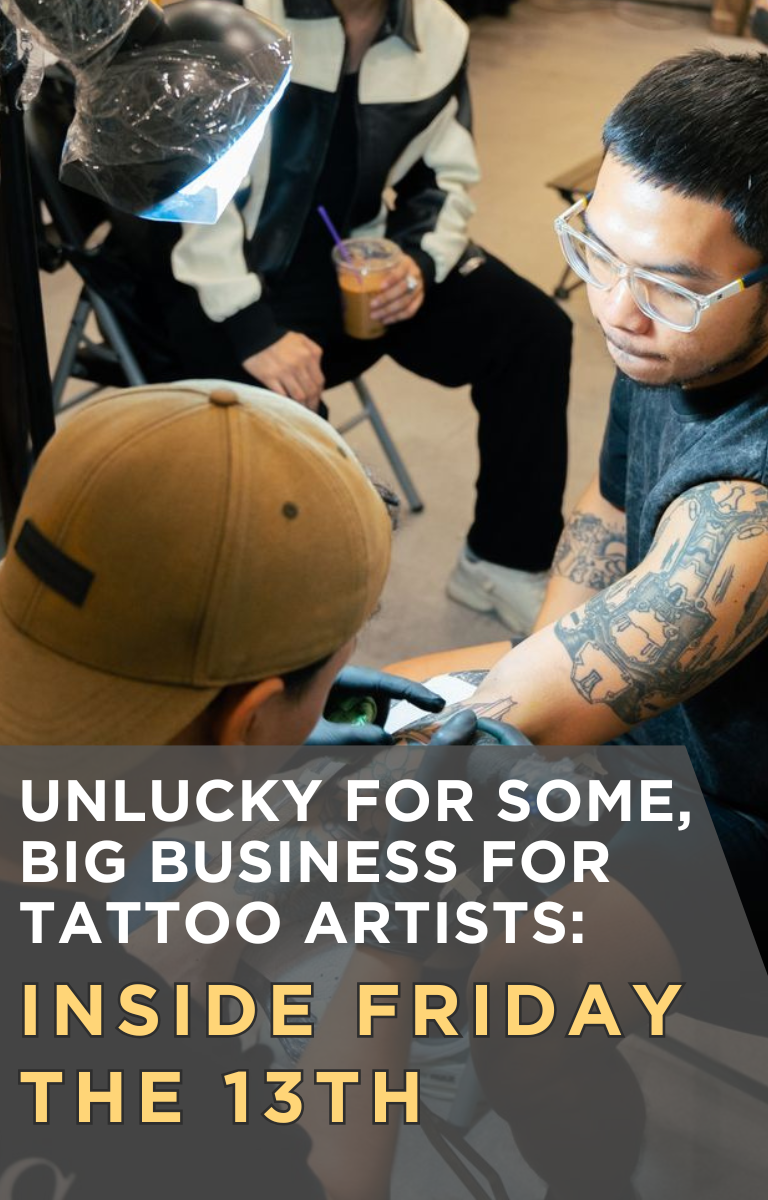
In This Article
- Key Takeaways
- What Is the Friday the 13th Tattoo Tradition?
- Why Is Friday the 13th Such Big Business for Tattoo Artists?
- How Does Friday the 13th Flash Work?
- What Does It Take to Run a Flash Day Like a Pro?
- How Can You Prepare for Your First Flash Day?
- How Do You Turn a Busy Day Into a Real Career?
- What You Can Expect from Our Traditional Tattoo Apprenticeship
- Mentorship That Pushes Your Brand and Skills Further
- Ready to Become a Tattoo Artist?
- Frequently Asked Questions
For most people, Friday the 13th is a day to dodge black cats and ladders. For Tattoo Artists, it’s one of the biggest business days of the year. Today, many tattoo studios have flash sheets on the walls and machines running from open until late at night.
A Friday the 13th tattoo flash is a high-volume event where tattoo studios offer small, pre-designed tattoos at discounted prices, turning superstition into celebration and profit. Here’s how it works, why it pays off for working Tattoo Artists, and what it takes to handle one well.
Key Takeaways
- Tradition: Friday the 13th flash days offer small, discounted, pre-drawn tattoos. Many tattoo studios now treat them as a signature event.
- Why it’s busy: Low prices, walk-in energy, and superstition-themed designs draw big crowds and new clients.
- Skill required: Fast, clean linework under pressure separates prepared Tattoo Artists from overwhelmed ones.
- Path: Ink Different’s Traditional Tattoo Apprenticeship takes 18 to 24 months. It includes licensing support and a guaranteed job offer at one of Ink Different’s tattoo studios.
- Built to last: Tattooing is a hands-on human craft, which makes it a resilient career as automation grows.
What Is the Friday the 13th Tattoo Tradition?
The Friday the 13th tattoo tradition is a flash-day event where tattoo studios offer small, pre-designed tattoos at discounted prices. It turns an “unlucky” date into a celebration of tattooing and community.
The tradition has been around for decades and has spread to tattoo studios across the country. Each tattoo studio puts its own spin on the flash, usually with skulls, black cats, horseshoes, and the number 13. The traditional price is $13, though many tattoo studios now charge more to cover supplies and time.
For a lot of clients, a Friday the 13th tattoo is their first tattoo. That makes flash day a doorway for people who might never have walked into a tattoo studio otherwise.
The date doesn’t come around often. Every year has at least one Friday the 13th and never more than three. 2026 had three, and today is the last. The next one isn’t until August 13, 2027.

Why Is Friday the 13th Such Big Business for Tattoo Artists?
Friday the 13th is big business because low prices, fun themes, and a party atmosphere bring in heavy walk-in traffic. Tattoo Artists can finish many quick tattoos in one shift and meet a wave of new clients.
Each tattoo costs less than usual, but the volume makes up for it. Small, affordable pieces mean more people say yes, and tips add up over a long day. Some Tattoo Artists see more clients in one flash day than in a typical week.
The bigger payoff comes after the day ends. New clients find a Tattoo Artist they like, follow them on social media, and come back for larger custom work. A client who gets a $13 dagger today might book a half sleeve next year.
Pricing is part of the strategy. Some tattoo studios keep the traditional $13. Others charge a bit more or offer tiered prices for larger flash. Clear pricing on the sheet keeps the line moving and avoids awkward conversations at the station.
Pro Tip: Tattoo Artists who thrive on flash days built strong fundamentals early. Speed without clean lines is a liability, not a flex. This is where structured training pays off.
How Does Friday the 13th Flash Work?
Friday the 13th flash usually runs first-come, first-served. Clients pick from pre-drawn designs at set low prices, which keeps sessions short and the line moving all day.
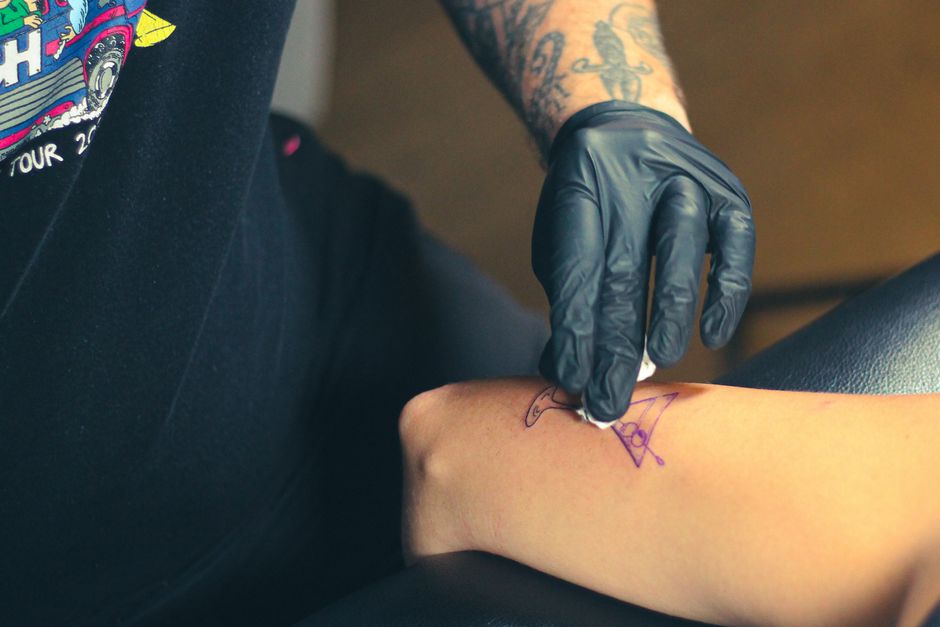
Instead of custom consultations, Tattoo Artists prepare sheets of ready-to-go designs in advance. Clients point to what they want, the stencil goes on, and the tattoo takes minutes instead of hours.
That format rewards preparation. The designs are drawn, the stations are stocked, and the workflow is planned before the first client sits down. To understand the gear behind a smooth station, start with the tools every beginner Tattoo Artist should know.
What Does It Take to Run a Flash Day Like a Pro?
Running a flash day well takes clean, fast linework, strict hygiene, mental stamina, and the confidence that comes from real hands-on training.
Volume days expose weak foundations fast. Tattoo Artists who handle them well aren’t improvising. They’re using skills they’ve drilled hundreds of times: machine control, consistent lines, station efficiency, and staying composed when the room is loud.
Hygiene never takes a day off. Following OSHA’s bloodborne pathogens standard is non-negotiable, even on the busiest day of the year. So is walking every client through aftercare, using resources like the American Academy of Dermatology’s tips for caring for tattooed skin. Your reputation depends on safety as much as skill.
Stamina matters too. A flash day can run 12 hours or more. Experienced Tattoo Artists eat before they start, keep water at the station, and take short breaks. Many also set a cut-off time so quality doesn’t slip late in the day.
Avoiding rookie errors matters even more under pressure. Review the mistakes aspiring tattoo apprentices should avoid long before you work a high-volume event.
How Can You Prepare for Your First Flash Day?
Prepare for your first flash day by building a strong design set, mastering your station setup, and practicing speed and consistency until they feel automatic.
Here’s a simple sequence experienced Tattoo Artists follow:
- Step 1: Build your flash sheet. Draw 15 to 25 small, bold designs that tattoo quickly and read clearly at a distance. Think skulls, roses, anchors, and lucky symbols.
- Step 2: Prep your station. Stock ink, needles, grips, and barriers so you never scramble mid-shift. Label everything clearly.
- Step 3: Dial in your stencils. Pre-print and organize stencils for your most popular designs to cut downtime between clients.
- Step 4: Practice your pace. Practice clean linework at speed on practice skin until it feels natural. Speed only matters if the lines stay clean.
- Step 5: Nail your aftercare talk. Use a clear, consistent script so every client knows how to heal their tattoo and protect your work.
This kind of preparation doesn’t come from watching videos. It comes from working in a real tattoo studio under a Mentor who has done it thousands of times. That’s why a hands-on tattoo apprenticeship matters so much.
How Do You Turn a Busy Day Into a Real Career?
You turn busy flash days into a real career through structured, in-person training. It builds your fundamentals, prepares you for licensing, and gives you the confidence to work professionally year-round.
One packed Friday the 13th is exciting, but a career is built on consistency. That means knowing your craft, holding a license, and keeping clients coming back long after flash day ends. One flash day is a thrill. A full calendar of loyal clients is a career.
Tattooing is also one of the most human trades out there. As automation changes other fields, Tattoo Artists are still essential. To see what the career can pay, check ZipRecruiter’s average Tattoo Artist salary data.
If you’ve been feeling pulled toward more creative work, a tattoo apprenticeship is a strong fit for career changers. It’s also a real alternative to a four-year degree, which is why tattoo apprenticeships keep gaining ground as an alternative to college.
What You Can Expect from Our Traditional Tattoo Apprenticeship
Ink Different’s Traditional Tattoo Apprenticeship takes 18 to 24 months across four phases. It builds job-ready skills, includes licensing support, and requires no prior experience.
Ink Different has been training Tattoo Artists for 15 years. The Traditional Tattoo Apprenticeship is available at 60+ tattoo studios nationwide, where you train under experienced Mentors. Here’s what it includes:
- Beginner-friendly: No prior art experience needed. You start with drawing, design, and building your portfolio.
- Four-phase structure: The four phases are Art and Design Principles, Machine Mastery and Practice Tattooing, Supervised Tattoos, and a Junior Artist Externship where you start earning an income.
- Licensing support: Guidance toward your state tattoo license, whether that’s getting your tattoo license in Texas or understanding the timeline in Colorado.
- Good Humans culture: A supportive, family-like community that has your back from day one.
A Career That Comes With Confidence
You train hands-on with Mentors who have built their own reputations in the industry. When you finish, you’ll have job-ready skills, licensing support, and a guaranteed job offer at one of Ink Different’s tattoo studios.
Remember: Each Mentor takes on just two tattoo apprentices per tattoo studio. Hands-on mentorship can’t be mass-produced, so seats fill up.
Mentorship That Pushes Your Brand and Skills Further
Ink Different’s Master Mentorship is a one-year, in-person path led by renowned Master Mentors. It’s for Tattoo Artists ready to master a style, grow a brand, or open their own tattoo studio.
Whether you have some experience or want to grow faster, the Master Mentorship connects you with Al Fliction, Liz Cook, Kyle Dunbar, Boneface, and Jordi Pla. The training is focused on where you want to go next: a signature style, a bigger client list, or your own tattoo studio.
Making Tattoo Training Accessible for Everyone
Ink Different offers Spanish-speaking locations so more people can train in their own language. You can train in Denver, Orange County, New York City, Miami, San Antonio, and San Diego. Interest-free payment plans are also available.

Ready to Become a Tattoo Artist?
Friday the 13th makes one thing clear: people want tattoos, and skilled Tattoo Artists are the ones who get to make them. The next flash day is August 13, 2027. Start training now, and you’ll be nine months into the work by then.
Apply now to Ink Different’s Traditional Tattoo Apprenticeship and start building a hands-on career with licensing support and a guaranteed job offer.
Frequently Asked Questions
Why do tattoo studios get so busy on Friday the 13th?
Many tattoo studios offer small, discounted, pre-drawn flash tattoos on Friday the 13th. Low prices and superstition-themed designs draw big walk-in crowds all day.
Do I need experience to become a tattoo artist?
No. Ink Different’s Traditional Tattoo Apprenticeship is built for beginners and teaches drawing and design from the start.
How long does the tattoo apprenticeship take?
Ink Different’s Traditional Tattoo Apprenticeship takes 18 to 24 months across four phases. Your exact timeline depends on how quickly you progress through each phase.
What makes Ink Different different from other options?
Ink Different offers hands-on mentorship in real tattoo studios, 15 years of training Tattoo Artists, renowned Master Mentors, and a guaranteed job offer at one of its tattoo studios.
Is tattooing a stable career in an age of automation?
Tattooing is a hands-on human craft that depends on skill, trust, and client relationships. Those are things machines can’t replace, which is why Tattoo Artists remain in demand.
Can I train in Spanish?
Yes. Ink Different offers Spanish-speaking locations in Denver, Orange County, New York City, Miami, San Antonio, and San Diego.