
What Nobody Tells You About Your First Year Tattooing
September 7, 2026
Can You Become a Tattoo Artist at 30, 40 or 50?
September 8, 2026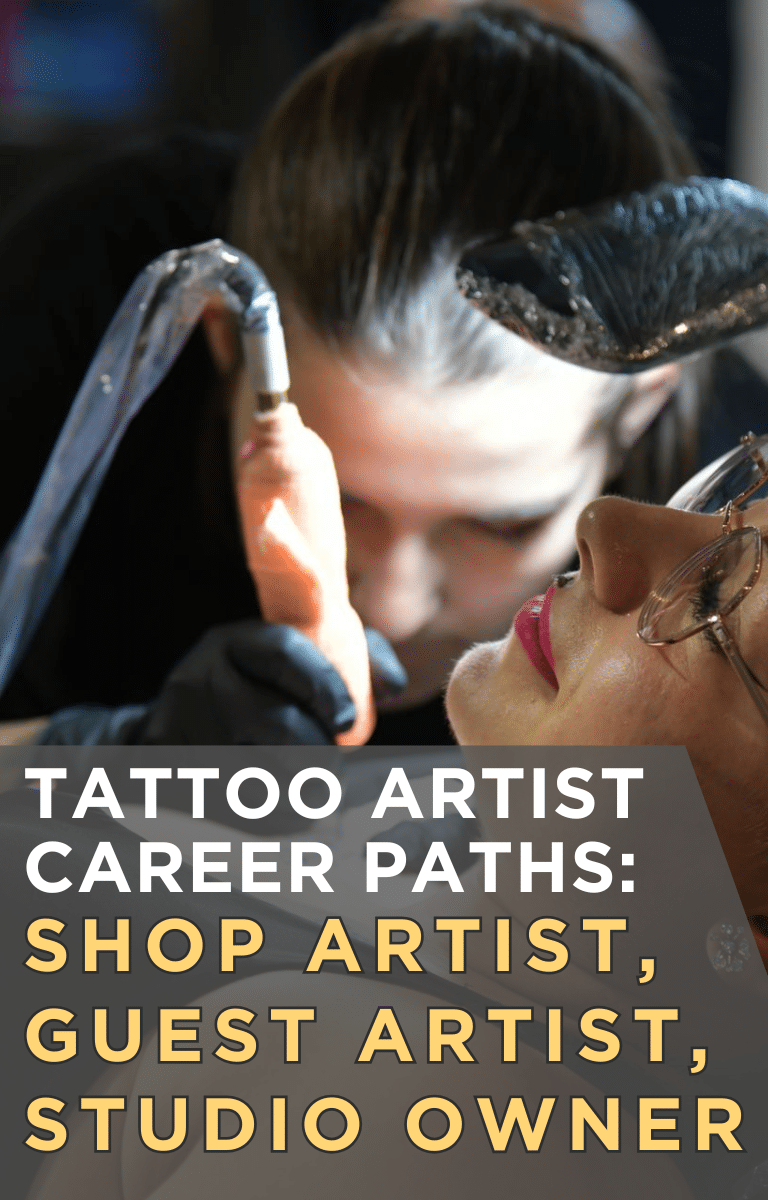
In This Article
- Key Takeaways
- What Are the Main Tattoo Artist Career Paths?
- What Does a Shop Artist Do?
- What Is a Guest Artist?
- What Does It Take to Become a Studio Owner?
- How Do You Choose the Right Career Path?
- How Do You Start Building Your Tattoo Career?
- How Ink Different Helps You Get There
- Ready to Choose Your Path?
- FAQ
A tattoo artist career path is the sequence of professional roles and decisions you make after training, whether you work as a shop artist, travel as a guest artist, or eventually own your own tattoo studio. Somewhere across town, a Tattoo Artist is turning ink into a living, building a name, and answering to no one but their own standards.
At Ink Different Tattoos, we’ve spent 15 years helping people turn raw ambition into a real, AI-proof craft. Here’s how the three main paths actually work, and how to figure out which one fits you.
Key Takeaways
- Three main paths exist: Shop artists build steady clientele in one studio, guest artists travel between studios, and studio owners run their own businesses.
- All paths begin with apprenticeship: Every tattoo artist completes hands-on training and earns a state tattoo license before working professionally.
- Training typically takes 18–24 months: Ink Different’s Traditional Tattoo Apprenticeship spans four phases from foundational remote training to in-studio client work.
- Tattooing is recession-resistant: Hand-tattooing is a human craft that automation cannot replace, offering genuine career stability.
- Paths naturally flow into each other: Most artists begin as shop artists, explore guest spots as their reputation grows, then potentially own studios later.
What Are the Main Tattoo Artist Career Paths?
The three main tattoo artist career paths are shop artist (resident at one studio), guest artist (traveling between studios), and studio owner (running your own business). Each offers a different balance of freedom, stability, and responsibility.
Think of these paths less like fixed lanes and more like seasons of growth. You plant the seed as a shop artist, learning the rhythm of a working studio. You branch out as a guest artist, spreading your name across cities. Eventually, some artists put down roots and build a tattoo studio of their own.
None of these paths is “better” than the others. The right one depends on who you are and what kind of life you want to build. The good news? You don’t have to pick forever right now. You just have to start.
What Does a Shop Artist Do?
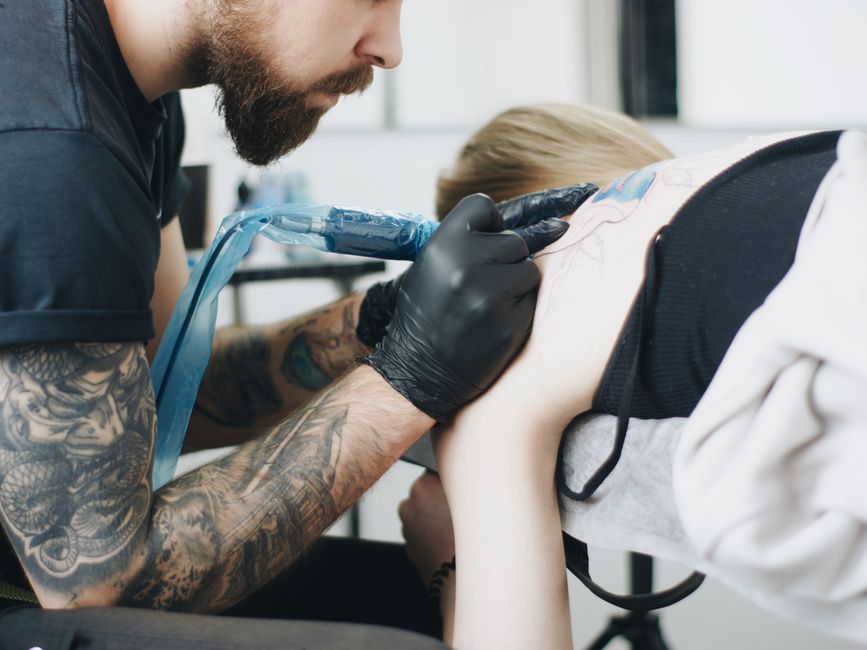
A shop artist is a licensed tattoo artist who works as a resident at a single tattoo studio, building a steady client base while sharing the shop’s tools, space, and reputation. This is where most careers begin.
As a shop artist, you get structure and community. The studio handles booking, provides marketing support, and offers a physical space, so you can focus on improving your craft and building repeat clients. You’re surrounded by other artists who push you, critique you, and celebrate your wins.
The trade-off is that you typically split income with the studio, and you work within the shop’s culture and schedule. For many new artists, that structure is exactly what they need to grow their income steadily and gain confidence.
Pro Tip: Your first years as a shop artist are your foundation. Absorb everything from senior artists, and treat every client like your portfolio depends on it because it does.
Want to protect your momentum early? Read our guide on the mistakes aspiring tattoo apprentices should avoid so you start strong.
What Is a Guest Artist?
A guest artist is an established tattoo artist who temporarily works at studios beyond their home shop, often in different cities, to reach new clients and collaborate with other artists. It’s the traveling chapter of a tattoo career.
Guest spots let you build a national (or even international) name. You might spend a week tattooing in a Miami studio, then head to Denver or Brooklyn for the next booking. Each stop expands your audience and sharpens your adaptability.
This path rewards artists with a strong personal brand and a reliable following. Clients travel to book you, and studios invite you because you bring energy and skill. To pull it off, you need a portfolio that speaks for itself and a social media presence that keeps your calendar full.
Building that presence takes intention. Check out these platforms to help tattoo artists build their brand before you hit the road.
Heads up: Guest artists must understand licensing rules in each state where they work. Requirements differ by location, so plan ahead, especially for transfers like transferring a tattoo license to California.
What Does It Take to Become a Studio Owner?
Becoming a studio owner means running a tattoo studio as a business: leasing space, hiring artists, meeting health regulations, and managing finances while creating your own work. It’s the most demanding and potentially most rewarding path.
Studio ownership shifts you from artist to entrepreneur. You’re responsible for the studio culture, safety standards, payroll, and brand. Done well, it means building something that outlasts you and lifts up the next generation of artists.
You’ll need to master more than tattooing. Business planning, marketing, and compliance with safety standards like the OSHA bloodborne pathogen standards all become part of your daily reality. Many successful owners start as shop artists, learn the business from the inside, then launch when they’re ready.
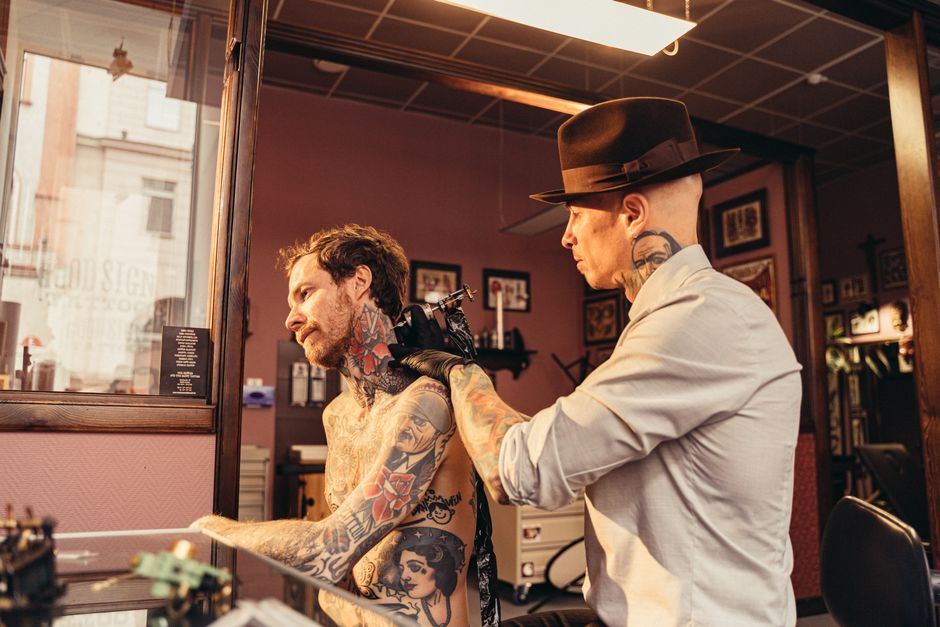
Because tattooing is a hands-on human craft, the demand for skilled artists remains steady. The Bureau of Labor Statistics tracks craft and fine artists as an ongoing occupation, and hand-tattooing is one corner of that world automation simply can’t touch. If you’re wondering about that, our post on why tattoo artists are still essential breaks it down.
How Do You Choose the Right Career Path?
Choose your tattoo artist career path by matching your personality, goals, and risk tolerance to what each role demands: stability for shop artists, freedom for guest artists, and entrepreneurship for studio owners.
Ask yourself honest questions. Do you crave routine and a tight-knit crew? The shop artist life may fit best. Do you get restless in one place and love meeting new people? Guest work could be your calling. Do you dream of building and leading? Ownership is on your horizon.
Here’s the truth most people miss: these paths flow into each other. You can start as a shop artist, take guest spots as your name grows, and open your own studio years down the line. Your career is a journey, not a single decision.
- Shop artist: Best for stability, community, and steady skill growth.
- Guest artist: Best for freedom, travel, and a strong personal brand.
- Studio owner: Best for leadership, business building, and long-term legacy.
How Do You Start Building Your Tattoo Career?
Start building your tattoo career by completing a structured tattoo apprenticeship, earning your state license, developing a strong portfolio, and then choosing your professional path. Every route follows these same first steps.
- Step 1: Commit to real training. Enroll in a tattoo apprenticeship with live, in-person mentorship. This is your foundation and cannot be rushed with shortcuts.
- Step 2: Learn the fundamentals. Master drawing, line work, machine handling, and hygiene. Safety and sterilization are non-negotiable from day one.
- Step 3: Build your portfolio. Document your work as you progress. Your portfolio becomes your résumé, marketing tool, and proof of credibility.
- Step 4: Get licensed. Meet your state’s requirements, whether that’s learning how to get your tattoo license in Texas or another state.
- Step 5: Choose your path. Start as a shop artist, branch into guest work, or set your sights on ownership. Then keep growing.
Timing matters too. If you’ve been waiting for the “right moment,” here’s your sign: read why spring is the best time to become a tattoo artist and stop letting another season slip by.
How Ink Different Helps You Get There
Ink Different Tattoos is a nationwide college alternative that trains aspiring tattoo artists through hands-on apprenticeship, live mentorship, and licensing support, no prior experience required. We’re the guide; you’re the hero.
For 15 years, we’ve helped people leave dead-end jobs and step into a craft that’s genuinely their own. We don’t treat you like a student in a lecture hall. We treat you like a tattoo apprentice learning a trade from mentors who’ve actually built careers in the industry.
What You Can Expect from Our Traditional Tattoo Apprenticeship
Our Traditional Tattoo Apprenticeship runs 18 to 24 months across a proven four-phase structure. You start remotely to build foundations, then finish in real studios working with clients. It’s built for beginners, so you can start from scratch and still come out job-ready.
- Personalized hands-on training with live, in-person mentors.
- Start remote, finish in studios for a smooth, supported transition.
- Licensing support and job-ready skills so you can work professionally.
- No experience needed, ideal as a college alternative.
A Career That Comes With Confidence
By the time you finish, you’ll have real skills, a portfolio, and the confidence to pursue any of the career paths in this article. Tattooing is an AI-proof craft: a human hand on human skin, something no machine can replicate. Want the deeper case? See how tattoo apprenticeships gain ground as a college alternative.
Mentorship That Pushes Your Brand and Skills Further
If you’re aiming higher and faster, our Master Mentorship is a one-year, in-person program led by celebrated and award-winning mentors including Al Fliction, Liz Cook, Kyle Dunbar, Boneface, and Jordi Pla. It’s built for beginner and experienced artists who want to master a specific style, accelerate their career, or step toward studio ownership.
Making Tattoo Training Accessible for Everyone
We offer Spanish-speaking locations near Denver, Orange County, NYC, Miami, San Antonio, and San Diego, so language never stands between you and your future. Our “Good Humans” culture means you join a supportive, family-like community from your very first day.
Remember: Seats in our Tattoo Apprenticeship Program are limited because real, hands-on mentorship can’t be mass-produced. Your future doesn’t wait, and neither should you.
Ready to Choose Your Path?
Whether you see yourself as a shop Tattoo Artist building a loyal following, a guest Tattoo Artist traveling from city to city, or a tattoo studio owner running your own shop, it all starts with one decision: to stop waiting and start training.
Ready to become a tattoo artist? Apply now to Ink Different’s Traditional Tattoo Apprenticeship and start building an AI-proof career, with licensing support every step of the way. Or fill out our quick questionnaire to get personalized support and find out if our Tattoo Apprenticeship Program is right for you.
Frequently Asked Questions
How long does it take to become a professional tattoo artist?
Most artists become licensed in about 18 to 24 months. Ink Different’s Traditional Tattoo Apprenticeship follows a four-phase structure that takes you from beginner to job-ready in that timeframe.
Do I need art experience to start a tattoo career?
No. Our Traditional Tattoo Apprenticeship is built for beginners and teaches drawing fundamentals from day one. You can start from scratch with no formal art background.
What is the difference between a shop artist and a guest artist?
A shop artist is a resident at one tattoo studio building repeat clientele. A guest artist travels between studios in different cities to expand their brand and reach new audiences.
Can I become a studio owner without working as a shop artist first?
It’s possible but rare. Most successful studio owners start as shop artists to learn the craft, business, and industry before opening their own tattoo studio.
What makes Ink Different Tattoos different from a tattoo apprenticeship?
Ink Different is a college alternative offering live, in-person mentorship, not classroom lectures. With 15 years of experience and award-winning mentors, you learn the trade hands-on inside real studios.
Is tattooing a stable career in the age of AI?
Yes. Hand-tattooing is a human craft that automation cannot replace. The Bureau of Labor Statistics tracks craft and fine artists as an ongoing occupation with steady demand and growth.