A Day in the Life of a Tattoo Apprentice
September 7, 2026
Tattoo Artist Career Paths: Shop Artist, Guest Artist, Studio Owner
September 7, 2026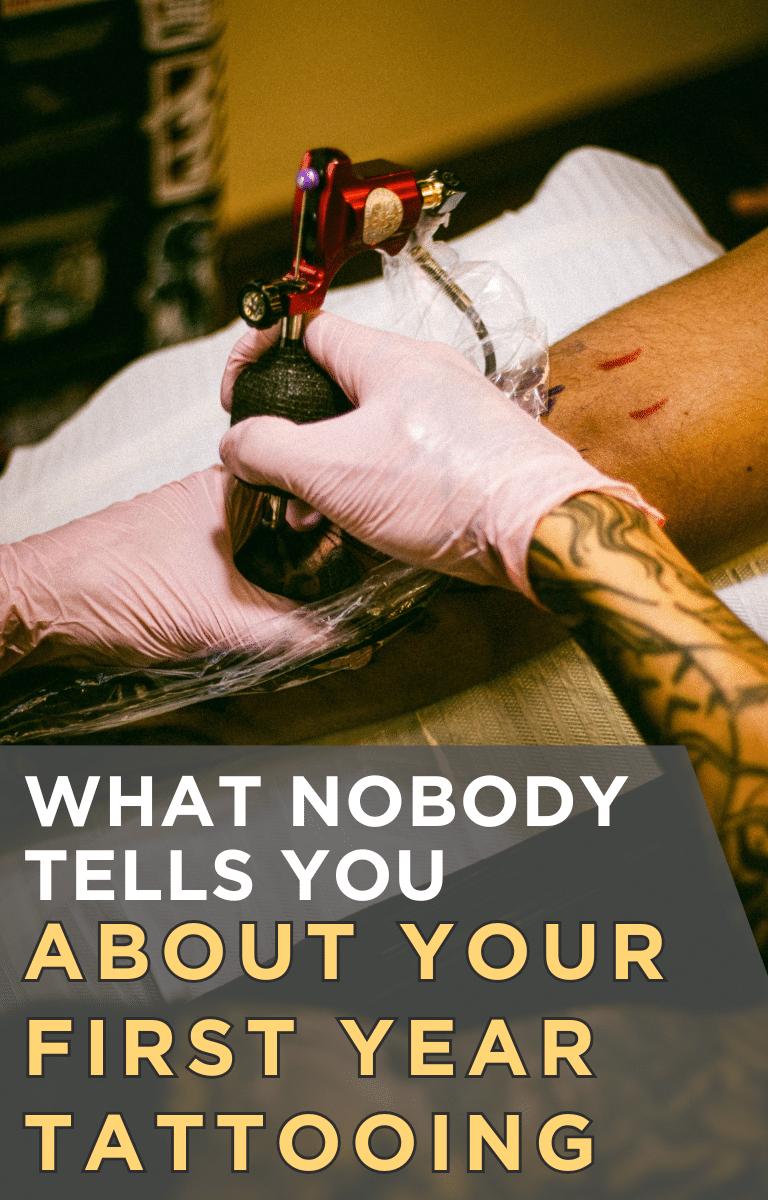
In This Article
- Key Takeaways
- What is the first year of tattooing really like?
- How hard is your first year tattooing?
- What does nobody tell you about tattooing as a beginner?
- What mistakes do first-year Tattoo Artists make?
- How do you survive and thrive in your first year?
- Why does a live Mentor matter in year one?
- What does the Ink Different Traditional Tattoo Apprenticeship offer?
- Ready to take the first step?
- FAQ
Your first year tattooing is the raw, unglamorous foundation-building phase where you learn discipline, sterile technique, and real skin work under pressure, and it shapes every year that follows. It’s not the moment everything clicks: steady hands, happy clients, a chair with your name on it. It’s shaky lines, nervous consultations, and long nights doubting whether you made the right call.
At Ink Different Tattoos, we’ve spent 15 years walking aspiring Tattoo Artists through exactly this stretch, and we want you to walk in with your eyes open.
Key Takeaways
- Reality check: Your first year is more repetition and cleaning than glamorous custom work, and that is normal and necessary.
- Timeline: A structured tattoo apprenticeship runs 18 to 24 months, so year one is foundation-building, not income-generating yet.
- Biggest hurdle: Nerves and confidence, not talent, sink most first-year Tattoo Artists; discipline matters more than innate ability.
- Safety first: Bloodborne pathogen training and OSHA standards are non-negotiable from day one and legally required.
- Best move: Learn under a live, in-person Mentor instead of guessing your way through YouTube tutorials or solo learning.
What is the first year of tattooing really like?
Your first year tattooing is roughly 80% preparation and 20% needle-to-skin: drawing fundamentals, machine setup, sanitation, and observing before you ever touch a paying client. It is less about instant artwork and more about building a foundation strong enough to hold a career.
Think of it like planting a tree. The part everyone admires (the finished tattoo) grows from roots nobody sees. In year one, you are digging those roots: line consistency, needle depth, color packing, and how skin actually behaves under different conditions and pressures.
You will spend hours on fake skin, on fruit, and on tracing before a Mentor lets you near a person. That is not a delay. That is how you avoid the beginner mistakes that scar clients and reputations. This is why mistakes aspiring tattoo apprentices should avoid is essential reading before you start.
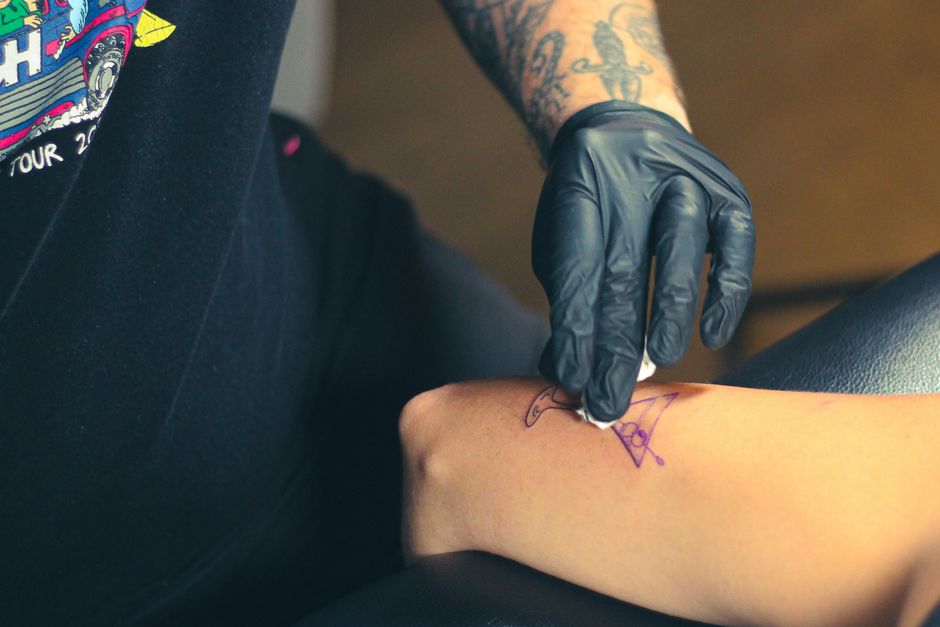
How hard is your first year tattooing?
Your first year tattooing is hard mostly on the mind, not the hands: the technical steps are learnable, but managing nerves, criticism, and slow progress is what tests you. Talent gets you started; discipline gets you through.
You will make lines that wobble. You will misjudge depth. A Mentor will point out flaws you did not see, and that stings when you poured your heart into the piece. This is the pain that makes people quit, and the exact pain that separates hobbyists from professionals.
Here is the encouraging part: none of that means you are not cut out for this. It means you are exactly where every great Tattoo Artist once stood. The discomfort you feel in year one is the price of never being stuck in an unfulfilling job again. If you want to sidestep the avoidable pain, this guide breaks down exactly what to expect and how to navigate it with your eyes wide open.
What does nobody tell you about tattooing as a beginner?
Nobody tells you that your first year is dominated by cleaning, drawing, and business basics, not custom art, and that safety and consistency matter far more than style early on.
Here are the honest truths most tutorials skip:
- You clean a lot: Setup, breakdown, and sterilization eat huge chunks of your day. Studio hygiene is not a side task. It is core to your job.
- Safety is a certification, not a suggestion: You must master OSHA bloodborne pathogen standards before you work on skin. This is non-negotiable and protects both you and your clients.
- Aftercare is your job too: Following American Academy of Dermatology tattoo care guidelines protects your clients and your name, building trust and repeat business.
- Your brand starts now: The Tattoo Artists who build early beat the ones who wait. Start learning the platforms to help tattoo artists build their brand before you finish your apprenticeship.
- The tools matter: Knowing your gear cold saves clients and stress. Master the tools every beginner tattoo artist should know so equipment never slows you down.
Real talk: The Tattoo Artist who obsesses over clean lines and sterile technique in year one becomes the one everyone wants to book in year five. Your first-year discipline is your five-year success.
What mistakes do first-year Tattoo Artists make?
The most common first-year mistakes are rushing to tattoo skin too soon, skipping drawing fundamentals, ignoring aftercare education, and trying to learn without a live Mentor. Each one slows your growth and can hurt clients.
Chasing a signature style before you can pull a clean straight line is like trying to write poetry before learning the alphabet. Build the alphabet first. Spend 6 months drawing. Spend 3 months on fake skin. Then, only then, do you step toward a real person.
Another quiet killer is isolation. Learning alone from videos leaves gaps you cannot even see, because nobody is standing beside you to correct your grip, angle, or hand speed in real time. That live correction is priceless, and it is the difference between guessing and knowing. This is why career change tattoo apprenticeship programs emphasize mentorship as the foundation.
How do you survive and thrive in your first year?
You survive your first year tattooing by following a structured plan: master fundamentals, get certified in safety, practice deliberately, take feedback well, and work under a live Mentor. Follow these steps in order, and momentum builds fast.
- Step 1: Lock in the fundamentals. Draw daily. Line work, shading, and composition are your foundation before any machine touches skin. Set a non-negotiable daily practice routine.
- Step 2: Get safety certified. Complete bloodborne pathogen training aligned with OSHA standards so you can legally and ethically work on clients. This is not optional, but it is a professional requirement.
- Step 3: Practice deliberately. Use fake skin and structured drills, not random doodling, so every hour builds a real skill. Track your progress and adjust based on feedback.
- Step 4: Welcome the critique. Treat your Mentor’s corrections as shortcuts, not insults. Feedback is the fastest fuel for growth. A critique in month 3 saves you months of bad habits.
- Step 5: Learn the business. Consultations, pricing, and client care are skills. Start building your brand and studio habits early using the platforms to help tattoo artists build their brand.
- Step 6: Pursue your license. Understand your state requirements early. Whether that is how to get your tattoo license in Texas or how long a tattoo license takes in Colorado, knowing your timeline keeps you on track.
Do these six things and your first year stops feeling like survival and starts feeling like momentum. You will feel the shift around month 9 or 10 when your hands start remembering what your brain is teaching.
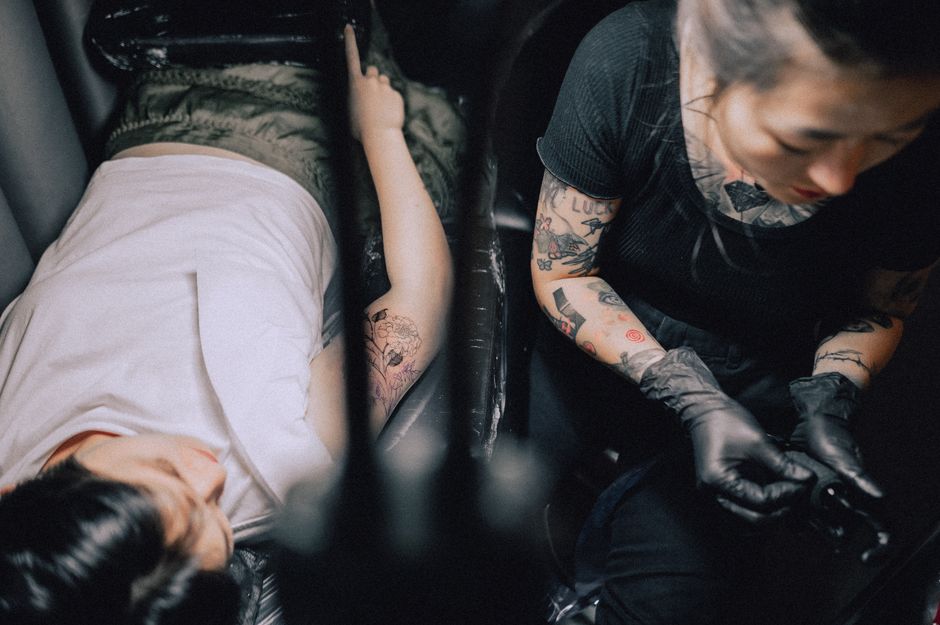
Why does a live Mentor matter in year one?
A live Mentor matters because tattooing is a physical craft: real-time correction of your grip, angle, depth, and hand speed prevents habits that videos and self-teaching cannot catch.
According to the U.S. Bureau of Labor Statistics on craft and fine artists, hands-on skill and portfolio work are the foundation of craft careers, not classroom theory alone. Tattooing lives at the extreme end of that reality, where a millimeter of needle depth changes everything, and a nervous client needs someone who has been there before.
This is also why tattooing is one of the most AI-proof careers you can choose. A machine cannot read a nervous client, adjust to living skin, or hold trust across a four-hour session. If you want the full picture on why your career is future-proof, read why tattoo artists are still essential in an AI-driven world.
What does the Ink Different Traditional Tattoo Apprenticeship offer?
Ink Different’s Traditional Tattoo Apprenticeship is an 18- to 24-month, four-phase Tattoo Artist Training program that takes beginners from zero experience to job-ready, with licensing support along the way.
We are not a university, and we are not a shortcut. We are a college alternative built for people who are done wasting time in unfulfilling work and ready to plant something real. For 15 years, since 2011, we have trained aspiring Tattoo Artists through personalized, hands-on mentorship. We know what your first year feels like because we have guided thousands through it.
What you can expect from our Traditional Tattoo Apprenticeship
- Beginner-friendly: No prior art experience required. We build your foundation from day one, teaching drawing, safety, and machine work from scratch.
- Start remote, finish in studios: Begin your training remotely, then step into a working Tattoo Studio with real clients and live mentors.
- Four structured phases: A clear path from fundamentals to live client work, so you know exactly what to expect each month.
- Licensing support and job-ready skills: Graduate prepared to work professionally in the industry with state licensing support and a portfolio of real work.
A career that comes with confidence
By the end of your training, you will not just hope you can tattoo. You will know it, because you built the skills under real mentorship on real skin. That is an AI-proof, income-generating craft nobody can automate away. You will also have the community and ongoing support to keep growing after year one.
Mentorship that pushes your brand and skills further
Ready to specialize or explode an existing career? Our Master Mentorship is a one-year, in-person program with celebrity and award-winning Mentors including Al Fliction, Liz Cook, Kyle Dunbar, Boneface, and Jordi Pla. It is built for beginners and experienced artists chasing a specific style, business ownership, or a serious career leap.
Making Tattoo Artist Training accessible for everyone
We offer Spanish-speaking locations near you in Denver, Orange County, NYC, Miami, San Antonio, and San Diego, so language never stands between you and this craft. Your first year should be challenging because of the skill, not because you cannot understand your Mentor.
Curious whether this beats the four-year debt route? See why tattoo apprenticeships are gaining ground as a college alternative, and if timing is on your mind, read why spring is the best time to become a tattoo artist to align your start with the right season. You can also explore starting your tattoo apprenticeship this spring to plant the seeds of your new career now.
Good Humans culture: You are not doing your first year alone. Our family-like community stands beside you through every shaky line and every breakthrough. When you doubt yourself, we remind you of why you started.
Ready to take the first step?
Your first year tattooing will test you, and it will also be the year you stop wondering what could have been and start building what will be. Seats in our tattoo apprenticeship program are limited, and the only wrong move is staying stuck in a job that does not feed your soul.
Ready to become a Tattoo Artist? Apply now to Ink Different’s Traditional Tattoo Apprenticeship and start building an AI-proof career with licensing support along the way. Want personalized guidance first? Fill out our quick questionnaire to find out if our Tattoo Apprenticeship Program is right for you and your timeline.
Frequently Asked Questions
How long does the first year of tattooing take to feel comfortable?
Most Tattoo Apprentices start feeling comfortable near the end of year one, around months 10–12, but real confidence builds across the full 18 to 24 month apprenticeship.
Do I need art experience to survive my first year tattooing?
No. Ink Different’s Traditional Tattoo Apprenticeship is built for beginners with no formal art background and teaches drawing fundamentals from day one.
How long is the Ink Different Tattoo Apprenticeship Program?
The Traditional Tattoo Apprenticeship runs 18 to 24 months across four structured phases, moving you from fundamentals to job-ready skills with licensing support.
What makes Ink Different different from learning on my own?
Ink Different offers live, in-person mentorship, a 15-year track record since 2011, award-winning Mentors, and a supportive Good Humans community you cannot get from tutorials.
Is tattooing a stable career worth changing my life for?
Yes. Tattooing is a hands-on, AI-proof craft that machines cannot replicate, making it a resilient income path and a strong college alternative for creative people.
Can I train in Spanish near me?
Yes. Ink Different offers Spanish-speaking locations in Denver, Orange County, NYC, Miami, San Antonio, and San Diego for accessible Tattoo Artist Training.