
Tattoo Artist Career Paths: Shop Artist, Guest Artist, Studio Owner
September 7, 2026
Do You Need to Be Good at Drawing to Become a Tattoo Artist?
September 8, 2026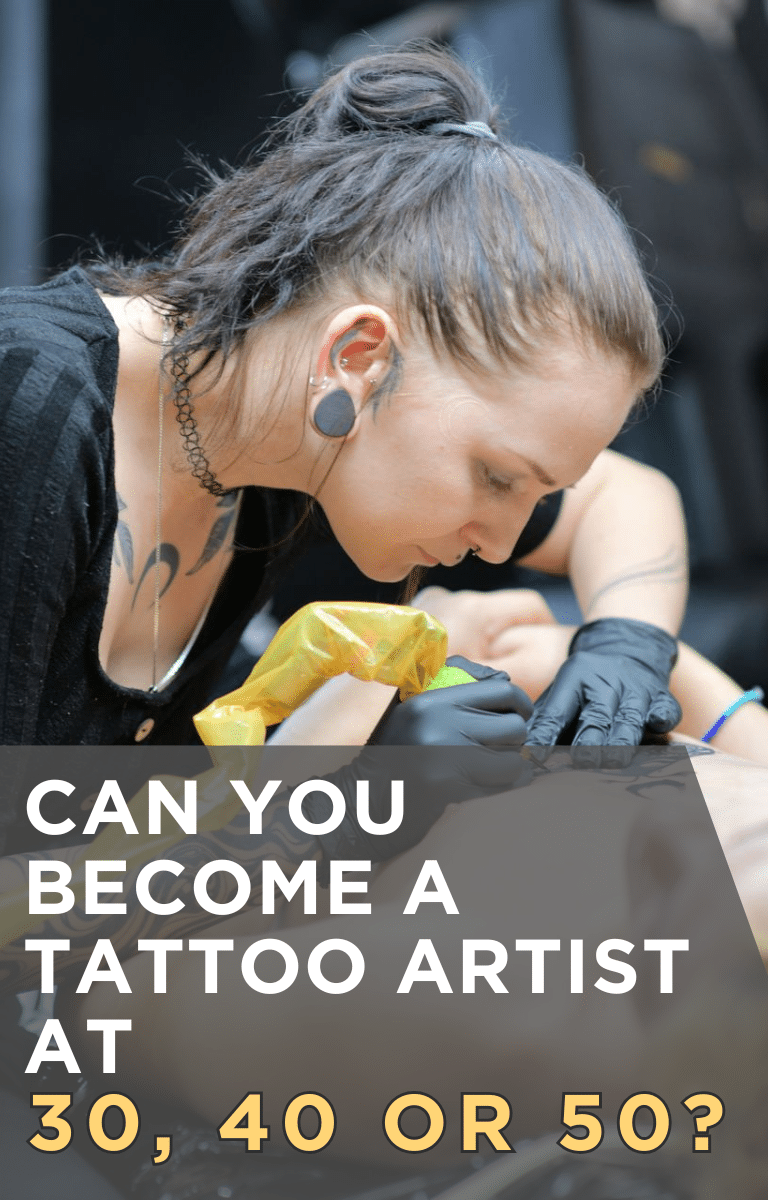
In This Article
- Key Takeaways
- Are You Ever Too Old to Become a Tattoo Artist?
- Why Does Starting Later Actually Give You an Edge?
- How Long Does It Take to Become a Tattoo Artist Later in Life?
- How Do You Start a Tattoo Career at 30, 40 or 50?
- Can You Learn to Tattoo With No Art Experience?
- How Ink Different Helps Career Changers Start Strong
- What If You Want to Go Even Further?
- Making Tattoo Training Accessible for Everyone
- Ready to Become a Tattoo Artist?
- FAQ
Becoming a Tattoo Artist at 30, 40, or 50 is entirely possible because age is not a barrier; it’s an advantage in a craft that rewards maturity, discipline, and authentic skill-building. Whether you’re 30 and restless, 40 and burned out, or 50 and finally brave enough to ask what you actually want, the window hasn’t closed.
At Ink Different Tattoos, we’ve spent over 15 years working with career changers who thought it was too late, only to watch them grow into confident, working professionals.
Key Takeaways
- No age limit: You can start a professional tattoo career at 30, 40, 50, or beyond with the right training and commitment.
- Timeline: A structured tattoo apprenticeship typically takes 18 to 24 months to complete, regardless of your age.
- No experience needed: Beginners with zero art background can learn drawing and technique from day one through quality programs.
- AI-proof craft: Tattooing is a hands-on, human skill that automation cannot replace, making it future-proof.
- Support included: Ink Different’s Traditional Tattoo Apprenticeship offers live mentorship, licensing support, and a supportive community.
Are You Ever Too Old to Become a Tattoo Artist?
No, you are never too old to become a tattoo artist, because tattooing rewards patience, life experience, and discipline far more than youth. The industry is full of professionals who picked up a tattoo machine for the first time in their thirties, forties, and fifties.
Think about what age has quietly given you: focus, work ethic, and a steadier hand than the nervous 19-year-old who bailed after two months. Those are the exact traits a working studio wants in a tattoo apprentice. You have already proven you can show up, handle pressure, and finish what you start, skills most young apprentices are still learning.
The only thing standing between you and this career is the story you keep telling yourself about being too late. That story is a lie, and every day you believe it is another day your creative potential sits in a drawer. The perfect age to become a tattoo artist is simply the age you decide to start.
Why Does Starting Later Actually Give You an Edge?
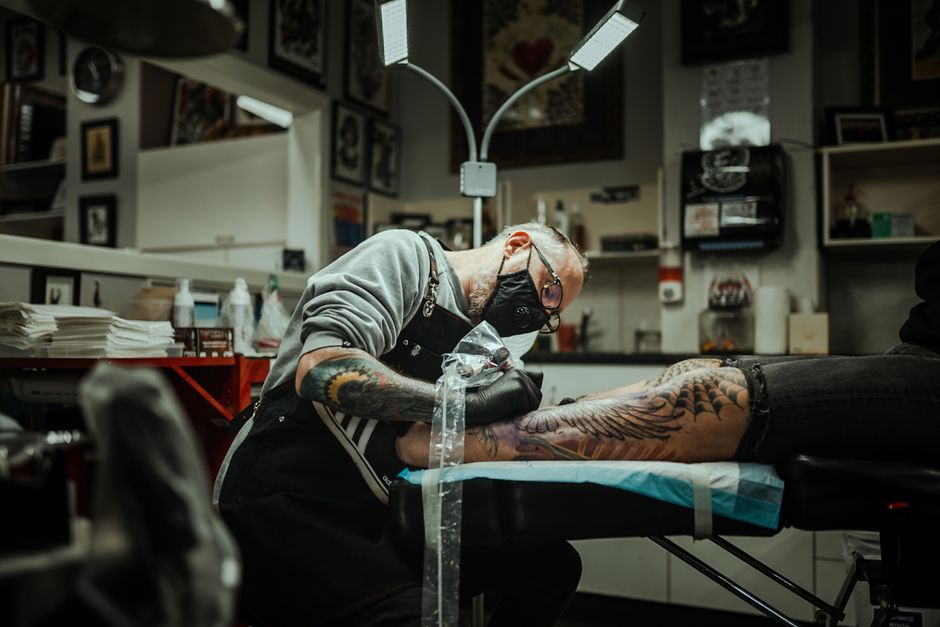
Starting a tattoo career later in life gives you an edge because maturity, communication skills, and financial discipline help you connect with clients and run a professional business. These soft skills separate a good technician from a booked-out artist.
Clients trust someone who listens, shows up on time, and treats their skin with respect. If you have spent 20 years in customer service, sales, healthcare, or the trades, you already own half the toolkit. Your lived experience becomes an asset, not a liability.
- People skills: Years of dealing with clients or customers make consultations natural and build trust quickly.
- Reliability: Studios value apprentices who follow through, manage their time, and show genuine commitment to the craft.
- Purpose: A conscious decision at 40 tends to stick harder than a whim at 20; you are choosing this for the right reasons.
- Financial stability: Older career changers often have savings, housing stability, and the ability to weather the apprenticeship phase.
Your past is not wasted time. It is the fertilizer for what grows next. For more on timing your leap, read our guide on why spring is the best time to become a tattoo artist, or explore how to make a career change with a tattoo apprenticeship.
How Long Does It Take to Become a Tattoo Artist Later in Life?
A structured tattoo apprenticeship typically takes 18 to 24 months to complete, regardless of your age when you start. The clock runs the same for a 25-year-old and a 50-year-old.
That timeline may sound long, but compare it to a four-year college degree that often ends in debt and uncertainty. According to the U.S. Bureau of Labor Statistics on craft and fine artists, craft and fine artists learn primarily through hands-on training and apprenticeships, not classrooms. Tattooing is not an exception, but it is the rule.
Tattoo artist training is a college alternative that puts a marketable, AI-proof skill in your hands in roughly two years. And because tattooing is a deeply human craft, it is not going anywhere. See our take on why tattoo artists are still essential in an age of automation.
How Do You Start a Tattoo Career at 30, 40 or 50?
You start a tattoo career at any age by committing to a structured tattoo apprenticeship, building your foundational skills, and earning your state tattoo license. Here is the path, step by step.
- Step 1: Decide and commit. Make the internal choice that you are done waiting. Momentum starts with a decision, not a perfect plan. Apply to a program and set a start date.
- Step 2: Build your foundation. Learn drawing fundamentals, line work, and tattoo machine handling. No prior art experience required; your training covers it all.
- Step 3: Find real mentorship. Train under experienced tattoo artists in a working tattoo studio, not from YouTube playlists or online courses. Real hands-on guidance is non-negotiable.
- Step 4: Practice safely. Master hygiene and bloodborne pathogen safety per OSHA bloodborne pathogen standards before you ever touch a client. This protects them and your career.
- Step 5: Tattoo live clients. Move to supervised client work as your skills sharpen and your confidence grows. Each client teaches you something new.
- Step 6: Get licensed. Complete licensing requirements for your state and step into the industry as a professional. Licensing rules vary, so check your local process early.
New to the craft? Avoid the common stumbles by reading mistakes aspiring tattoo apprentices should avoid and get familiar with the tools every beginner tattoo artist should know. These guides will save you time and frustration.
Can You Learn to Tattoo With No Art Experience?
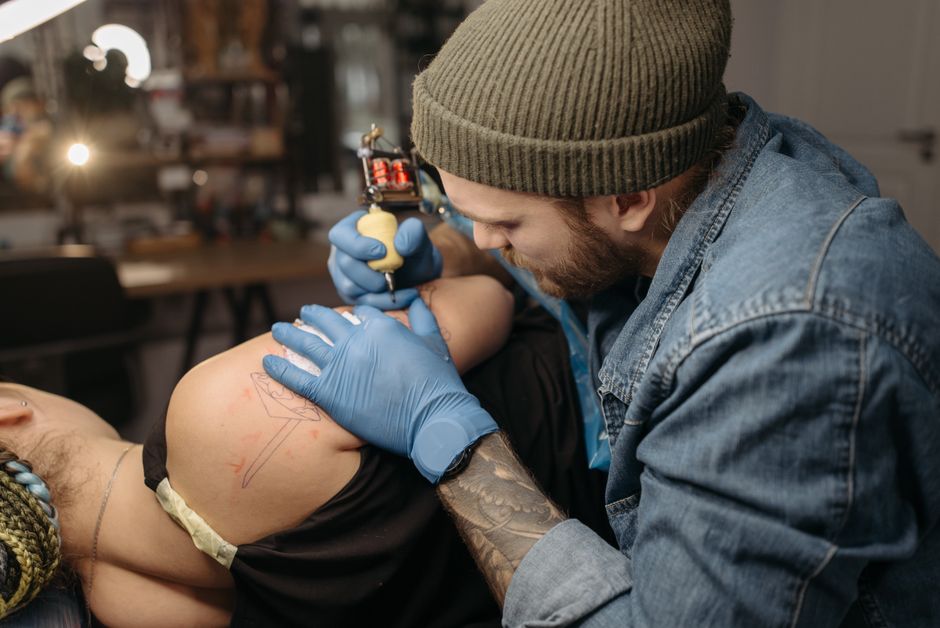
Yes, you can learn to tattoo with no formal art experience, because a quality tattoo apprenticeship teaches drawing and technique from the ground up. You do not need to be a lifelong artist to start.
Talent is overrated and trainable. What matters is your willingness to show up, take feedback, and put in the reps. We have watched former retail workers, nurses, mechanics, and office professionals turn into skilled tattoo artists. The only prerequisite is commitment, not a portfolio.
The tattoo world is not just about the ink either. Building a following matters too, so explore these platforms to help tattoo artists build their brand as you grow and establish your unique style.
Pro Tip: Do not wait until you feel “ready.” Readiness is a myth. Skill is built inside the work, not before it. Every master tattoo artist once sat where you are now, doubting themselves.
How Ink Different Helps Career Changers Start Strong
Ink Different Tattoos’ Traditional Tattoo Apprenticeship is an 18- to 24-month, four-phase tattoo artist training program built for beginners who want an AI-proof career and licensing support. It is a genuine college alternative designed specifically for people like you, career changers ready to build something real.
You start remote and finish in real tattoo studios, getting personalized, hands-on training the entire way. Our mentors do not hand you shortcuts; they build authentic skill, because your clients and your license depend on it. We believe in earning your seat at the table.
A Career That Comes With Confidence
By the time you complete all four phases, you have job-ready skills and licensing support so you can step into the industry as a professional. We never promise a guaranteed job, but we do promise a real path and the craft to earn your income. Tattoo apprenticeships are increasingly recognized as a solid alternative to college for people seeking a hands-on, meaningful career.
Our “Good Humans” Culture
You will not walk this road alone. Ink Different runs on a “Good Humans” culture, a family-like community where career changers lift each other up and celebrate each other’s wins. That support matters most on the days doubt creeps in. Many of our most successful graduates credit their peers as much as their mentors.
What If You Want to Go Even Further?
Ink Different’s Master Mentorship is a one-year, in-person program where you train alongside celebrity and award-winning mentors to master a style, explode your career, or build a business.
You would learn from names like Al Fliction, Liz Cook, Kyle Dunbar, Boneface, and Jordi Pla, celebrity Tattoo Artists who have pushed the boundaries of the craft. This track works for both beginners and experienced artists who want intensive, focused skill development and access to the best in the industry. If you are serious about becoming elite, this is where you go.
Making Tattoo Training Accessible for Everyone
Ink Different offers Spanish-speaking tattoo apprenticeship locations so language is never a barrier to starting your career. You can train in your first language and focus fully on the craft, without the added stress of learning technical concepts in a non-native language.
We have Spanish-speaking locations in Denver, Orange County, New York City, Miami, San Antonio, and San Diego. Wherever you are, there is likely a path near you to start building your future. Language should never be what stops you from pursuing a career you love.
Remember: Seats in a live, in-person mentorship are always limited, because real training cannot be mass-produced. If this is calling you, do not sit on it. Each year you wait is a year you could be working as a tattoo artist instead.
Ready to Become a Tattoo Artist?
The years are going to pass either way. You can spend the next two in a job that drains you, or you can spend them building an AI-proof career with a tattoo machine in your hand and pride in your work. 30, 40, 50, it does not matter. The only wrong move is staying stuck.
Ready to become a tattoo artist? Apply now to Ink Different’s Traditional Tattoo Apprenticeship and start building an AI-proof career with licensing support along the way. Not sure yet? Fill out our quick questionnaire to get personalized support and find out if our tattoo apprenticeship program is right for you.
Frequently Asked Questions
Can you become a tattoo artist at 40 or 50?
Yes. There is no age limit to becoming a tattoo artist. Many professionals start their training at 40, 50, or beyond and build thriving careers through structured apprenticeships and commitment to the craft.
How long does a tattoo apprenticeship take?
A structured tattoo apprenticeship typically takes 18 to 24 months. The exact length depends on the program structure and how quickly you master each phase of hands-on training.
Do I need art experience to start a tattoo career later in life?
No. Quality programs like Ink Different’s Traditional Tattoo Apprenticeship teach drawing fundamentals and technique from day one, making them accessible to complete beginners.
What makes Ink Different Tattoos different?
Ink Different offers live, in-person mentorship with award-winning mentors, four-phase training, licensing support, Spanish-speaking locations, and a supportive “Good Humans” community built over 15 years.
Is tattooing an AI-proof career?
Yes. Tattooing is a hands-on, human craft requiring artistic judgment, safety expertise, and personal connection. Automation cannot replace the skill or trust a tattoo artist provides to clients.
Are there Spanish-speaking tattoo training locations?
Yes. Ink Different offers Spanish-speaking apprenticeships in Denver, Orange County, NYC, Miami, San Antonio, and San Diego, so language is never a barrier to starting your career.