
Where Chicano Tattooing Came From and Why It Still Matters
September 17, 2026
Dallas Just Voted 9-3 to Let Tattoo Studios Open in More Neighborhoods
September 18, 2026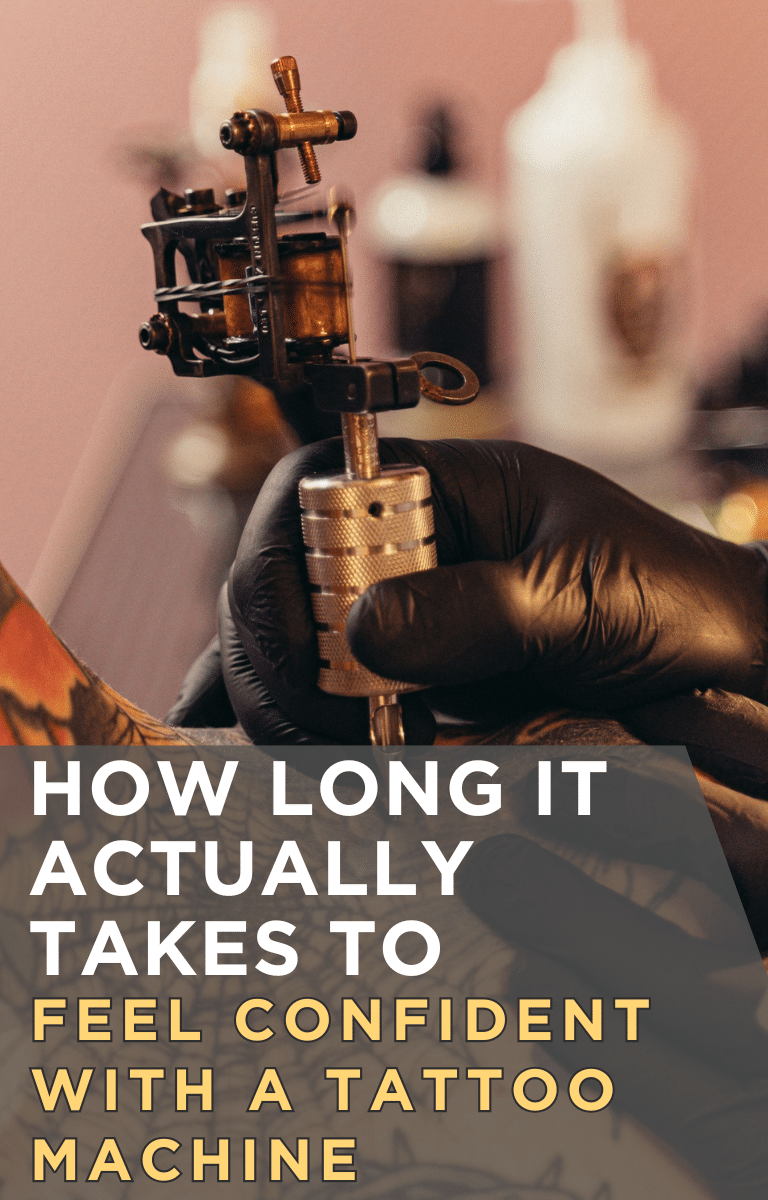
In This Article
- Key Takeaways
- What does confidence with a tattoo machine actually mean?
- How long does it take to feel confident with a tattoo machine?
- Why does building tattoo machine confidence take time?
- What are the stages of learning a tattoo machine?
- How can you build confidence faster?
- What mistakes slow your progress?
- How does Ink Different get you machine-confident?
- What if you want to push even further?
- Ready to pick up the machine?
- FAQ
You remember the first time you held a pencil that felt like it belonged in your hand. There’s a moment like that coming for you with a tattoo machine too, but right now it probably feels a mile away. Tattoo machine confidence is the point where you can hold, run, and control a tattoo machine on skin without second-guessing every line, so your focus shifts from the tool to the art.
At Ink Different Tattoos, we’ve spent 15 years watching people cross that exact threshold, and we can tell you the timeline is more predictable than you think.
Key Takeaways
- Timeline: Most tattoo apprentices feel steady basic confidence within 6 to 12 months of consistent, hands-on practice.
- Full command: True confidence across styles and skin types usually lands during an 18 to 24 month tattoo apprenticeship.
- No shortcut: Confidence is earned through reps, mentor feedback, and real supervised skin time, not watched videos.
- Beginners welcome: You do not need prior art experience to start building tattoo machine confidence from scratch.
- Guidance matters: Live, in-person mentorship shortens the confidence curve dramatically versus learning alone.
What does confidence with a tattoo machine actually mean?
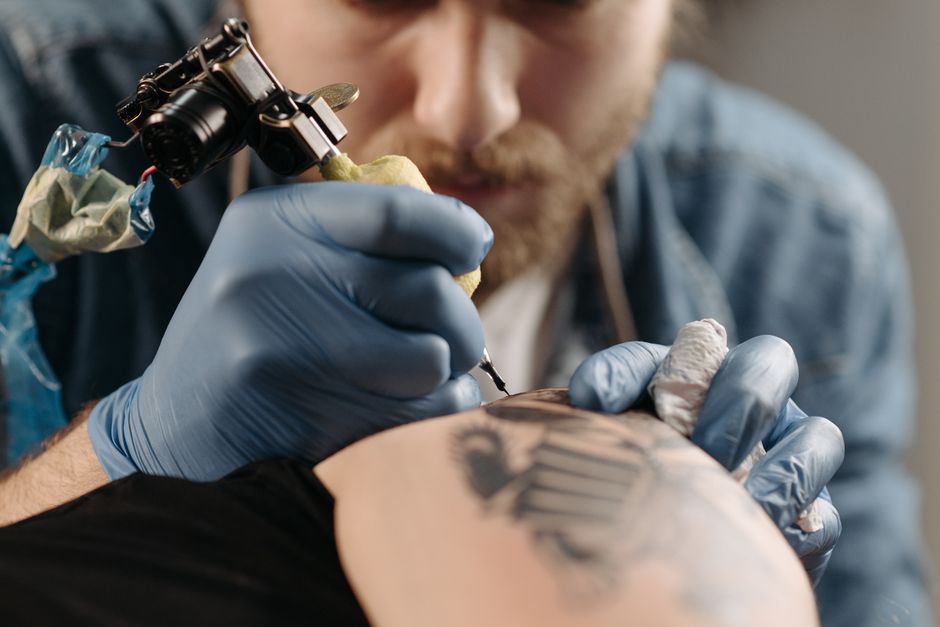
Confidence with a tattoo machine means your hands do the technical work automatically, freeing your mind to focus on design, placement, and the client in the chair. It’s the difference between fighting the tool and working with it naturally.
When you’re new, every second is loud in your head. Am I holding it right? Is my hand too heavy? Am I going too deep? That mental noise is normal, and it fades with reps. Confidence isn’t the absence of nerves; it’s trusting your training enough to let your body take over.
Think of it like driving a car. At first you white-knuckle the wheel and flinch at every turn. A year later you’re merging on the highway while holding a conversation. The machine becomes an extension of you, not an obstacle between you and the skin.
How long does it take to feel confident with a tattoo machine?
Most people feel basic confidence with a tattoo machine within 6 to 12 months of consistent hands-on practice, and full working confidence typically develops over an 18 to 24 month tattoo apprenticeship.
In your first few months you’ll get comfortable holding the machine, dialing in your grip, and running smooth lines on practice skin. That early comfort feels huge, and it should. But comfort on fake skin is only the first rung.
Real confidence, the kind that holds up on a live client, on curved anatomy, on someone flinching, comes later. That’s why serious training runs long. Tattoo Artists are grouped with other craft professionals, a field where skill compounds over years of deliberate practice, not weeks.
Pro Tip: Track your progress on the same practice design weekly. Watching your line work smooth out over months is the fastest way to see that confidence is actually building.
Why does building tattoo machine confidence take time?
Building tattoo machine confidence takes time because it combines fine motor skill, depth control, safety knowledge, and design ability, all of which your brain and hands must wire together through repetition.
You’re not just learning one thing. You’re learning to see line quality, feel the exact depth ink saturates, read different skin textures, and keep everything sanitary. Each of those is its own skill, and confidence only arrives when they stop competing for your attention.
Safety alone is a serious layer. You’ll need to master bloodborne pathogen protocols, which the OSHA bloodborne pathogen standards outline in detail, before you ever touch a client. Add aftercare knowledge from resources like the American Academy of Dermatology tattoo care guidelines, and you start to see why real training respects the timeline.
What are the stages of learning a tattoo machine?
Learning a tattoo machine moves through four clear stages: mechanics, practice skin, supervised live work, and independent client work, each unlocking a new level of confidence.
Rushing a stage is the classic beginner trap. Skip the foundation and every layer above wobbles. Here’s how the journey typically unfolds:
Step 1: Master the mechanics
You learn machine setup, needle groupings, voltage, grip, and hand angle. This is where the tool stops feeling alien. Expect weeks of just running the machine before you make a single meaningful mark.
Step 2: Build reps on practice skin
Fake skin and fruit let you fail safely. You’ll run thousands of lines, fill shapes, and learn saturation without any risk. This is where early confidence blooms.
Step 3: Tattoo under direct supervision
Now a mentor stands beside you as you work on real skin. Your hands know the motions, but skin is alive, and this stage teaches you to adapt in real time.
Step 4: Work your own clients
You take the chair on your own, building a roster and preparing for licensing. This is where confidence becomes identity. You’re not learning to be a Tattoo Artist anymore. You are one.
If you want to avoid the common stumbles along the way, read our guide on mistakes aspiring tattoo apprentices should avoid.

How can you build confidence faster?
You build tattoo machine confidence faster with daily deliberate practice, direct mentor feedback, and real supervised skin time, which together compress a solo learner’s timeline dramatically.
Practice alone builds bad habits as easily as good ones. A mentor watching your hand angle catches the flaw you can’t feel yourself, and correcting it early saves you months of ingrained error. That feedback loop is the single biggest accelerator.
Here are the habits that speed up your climb:
- Practice daily: Short focused sessions beat rare marathon ones for motor learning.
- Get feedback fast: A trained eye shortens your correction cycle from weeks to minutes.
- Learn your tools cold: Study the gear early with our list of tools every beginner tattoo artist should know.
- Build your brand alongside your skill: Start early using these platforms to help tattoo artists build their brand.
What mistakes slow your progress?
The biggest confidence killers are learning alone from videos, rushing to live skin too soon, and treating tattooing as an AI-replaceable shortcut instead of a craft that rewards patience.
Self-taught tattooing feels tempting because it’s free, but it plants seeds that grow into problems: uneven lines, inconsistent depth, and worst of all, gaps in safety knowledge. You end up unlearning as much as you learn.
Another quiet trap is doubting whether the craft even has a future. It does. Tattooing is deeply human, and no machine can replicate the connection between artist and client, as we explain in why tattoo artists are still essential. Your confidence grows faster when you believe the destination is worth the climb.
How does Ink Different get you machine-confident?
Ink Different’s Traditional Tattoo Apprenticeship builds your machine confidence through a structured 18 to 24 month, four-phase tattoo apprenticeship that pairs you with live Mentors and takes you from your very first line to your first client.
We built this as a college alternative for people who are done waiting to live a creative life, with hands-on training in real tattoo studios where the skin is real, and the stakes are honest. No prior art experience required.
Here’s what your climb looks like inside our tattoo apprenticeship:
- Personalized hands-on training: Your pace, your feedback, your growth.
- Start remote, finish in studios: Foundations first, then real supervised skin time.
- Beginner-friendly: We teach drawing and machine control from day one.
- Licensing support and job-ready skills: You finish prepared to work professionally and build an AI-proof career.
We’ve helped apprentices earn licenses across states, and we point you to real requirements. Beyond the technique, you join our “Good Humans” culture: a family-like community where you’re never climbing alone. Learn more about tattoo apprenticeships as a college alternative to see how this path compares to traditional education.
What if you want to push even further?
Ink Different’s Master Mentorship is a one-year in-person program with award-winning mentors, built for artists who want to master a specific style, explode their careers, or own a Tattoo Studio.
If confidence is the floor, Master Mentorship is the ceiling. You train intensively alongside names like Al Fliction, Liz Cook, Kyle Dunbar, Boneface, and Jordi Pla. It works for beginners hungry to go all-in and for experienced artists ready to level up their brand and business.
Ready to pick up the machine?
The moment the machine feels like an extension of your hand is closer than the story in your head says. Every confident Tattoo Artist you admire was once exactly where you are now, staring at a machine that felt impossible.
Seats in our tattoo apprenticeship are limited by their very nature, because real mentorship can’t be mass-produced.
Ready to become a Tattoo Artist? Apply now to Ink Different’s Traditional Tattoo Apprenticeship and start building an AI-proof career with licensing support along the way. Not sure yet? Fill out our quick questionnaire to get personalized support and find out if our tattoo apprenticeship is right for you.
Frequently Asked Questions
How long does it take to feel confident with a tattoo machine?
Most people feel basic confidence within 6 to 12 months of consistent practice. Full working confidence across styles and skin types typically develops over an 18 to 24 month tattoo apprenticeship.
Do I need art experience to start learning a tattoo machine?
No. Ink Different’s Traditional Tattoo Apprenticeship is built for beginners and teaches drawing fundamentals and machine control from day one, with no prior art background required.
Can I teach myself to use a tattoo machine confidently?
You can practice alone, but self-teaching builds bad habits and safety gaps. Live mentor feedback corrects your hand angle and depth early, shortening the confidence curve dramatically.
How long is the Ink Different tattoo apprenticeship?
The Traditional Tattoo Apprenticeship runs 18 to 24 months across four phases. You start remotely to master foundations, then finish in real Tattoo Studios with hands-on supervised training.
Is tattooing an AI-proof career?
Yes. Tattooing relies on human connection, live artistic judgment, and hands-on skill that machines cannot replicate, making it one of the more resilient creative careers today.
What makes Ink Different different from other training?
Ink Different offers live in-person mentorship, 15 years of experience, a “Good Humans” community, licensing support, and access to award-winning mentors as a genuine college alternative.