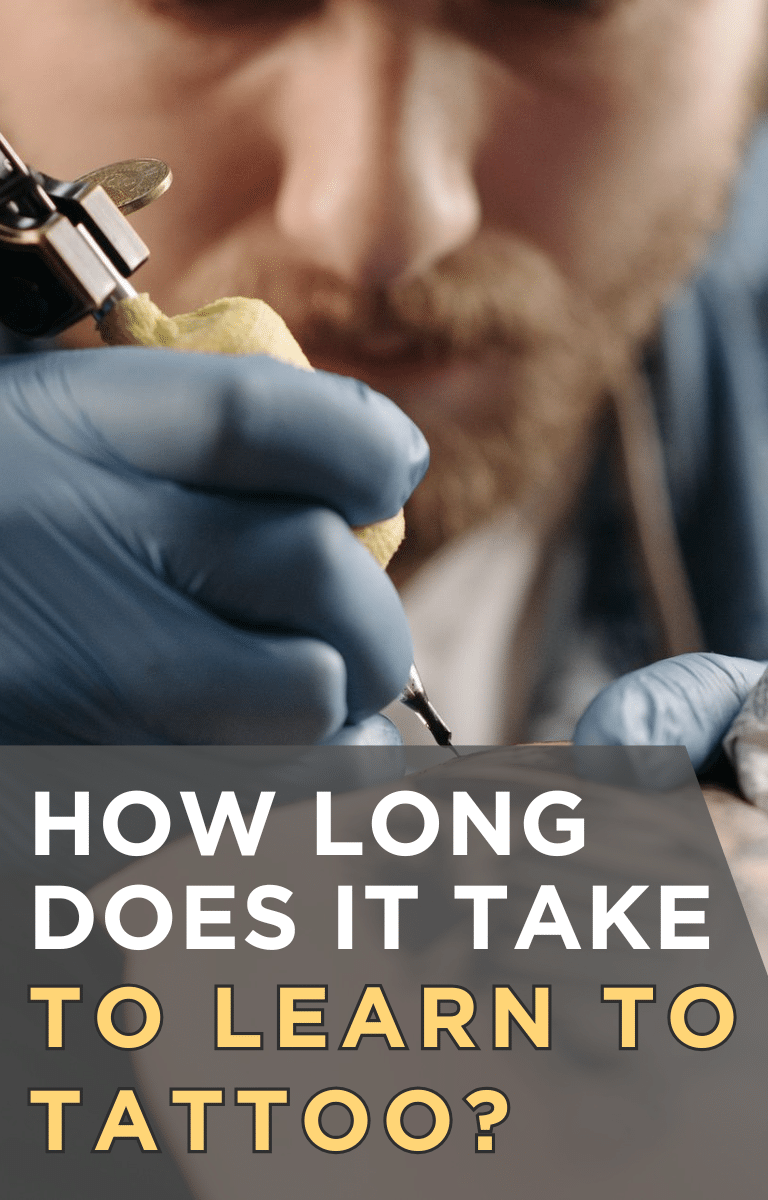
How Long Does It Take to Learn to Tattoo?
September 15, 2026
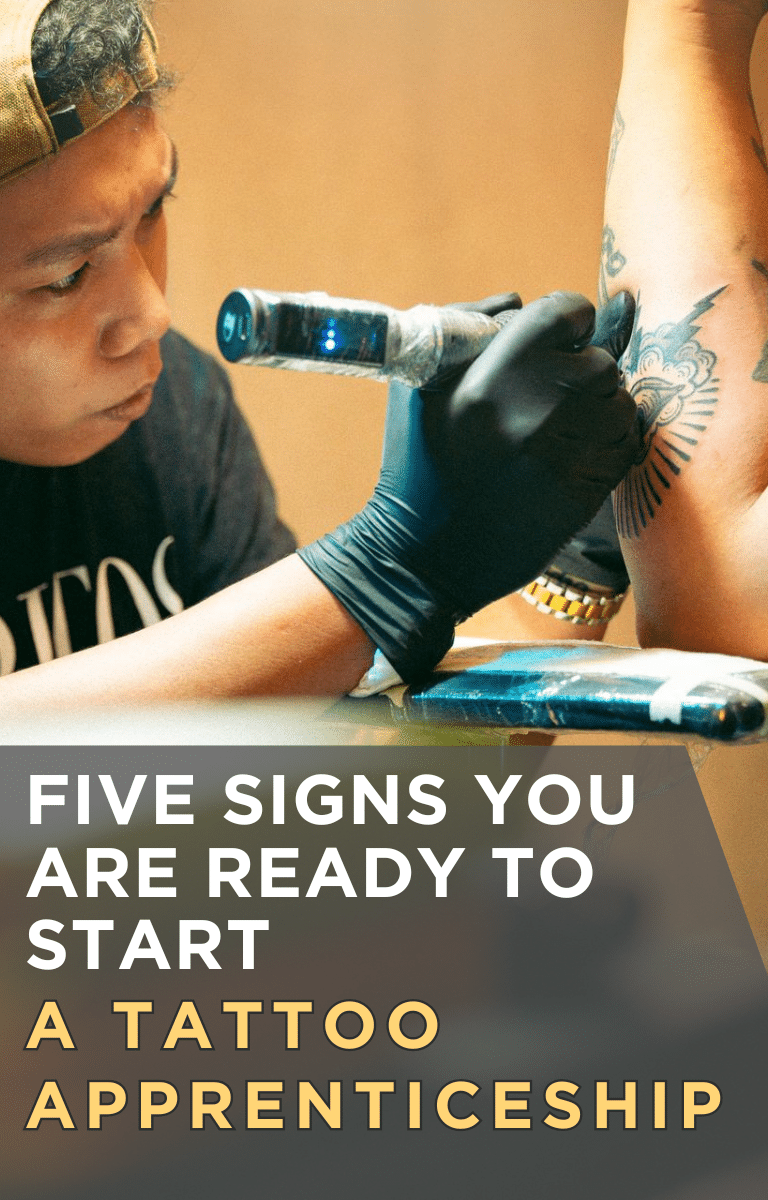
Five Signs You Are Ready to Start a Tattoo Apprenticeship
September 15, 2026
In This Article
- Key Takeaways
- What Is a Tattoo License, Really?
- Why Does Nobody Tell You the Truth About Licensing?
- What Does It Actually Take to Get Licensed?
- How Do You Get Your First Tattoo License Step by Step?
- What Are the Hidden Costs and Requirements?
- Why Is a License Not Enough on Its Own?
- How Does Ink Different Prepare You for Licensing?
- What Is the Master Mentorship Program?
- How Does Ink Different Make Training Accessible?
- Ready to Become a Tattoo Artist?
- Frequently Asked Questions
You’ve been staring at the same fluorescent lights at a job that drains you, doodling in the margins of paperwork nobody reads. Somewhere in the back of your mind, a question keeps knocking: could you actually turn tattooing into a real career?
The first real step is getting licensed. A tattoo license is a state-issued credential that legally permits you to tattoo clients, typically earned after completing an approved tattoo apprenticeship, bloodborne pathogen certification, and health department requirements.
At Ink Different Tattoos, we’ve spent 15 years guiding aspiring Tattoo Artists through this exact process, so let’s pull back the curtain.
Key Takeaways
- Definition: A tattoo license is a state credential letting you legally tattoo clients after training and safety certification.
- Requirements vary: Every state sets its own rules, from apprenticeship hours to bloodborne pathogen training.
- OSHA matters: Bloodborne pathogen certification aligned with OSHA standards is required almost everywhere.
- License isn’t the finish line: A license opens the door, but real skill and mentorship keep it open.
- Ink Different helps: Our Traditional Tattoo Apprenticeship includes job-ready training and licensing support.
What Is a Tattoo License, Really?
A tattoo license is a legal permit issued by a state or local health authority that authorizes you to tattoo the public safely and legally. Without it, you cannot legally work in a professional Tattoo Studio, no matter how talented you are.
Think of your license as the key that unlocks the door to the industry. It proves you understand hygiene, cross-contamination, and client safety, not just how to lay down a clean line. It’s the difference between someone tattooing friends in a kitchen and a professional building a real income.
Here’s the part nobody mentions at the start: the license itself is only a piece of the puzzle. It legitimizes you, but it doesn’t teach you how to be genuinely good at the craft. That comes from the training behind it.

Why Does Nobody Tell You the Truth About Licensing?
Most people don’t talk openly about tattoo licensing because the requirements are confusing, vary wildly by state, and there’s no single national standard to point to. That uncertainty scares a lot of aspiring artists away before they even start.
Unlike becoming a nurse or an electrician, there’s no universal path. Texas has its own process, California has another, and Colorado does things differently again. That patchwork leaves beginners guessing, and guessing leads to costly mistakes.
We’ve seen too many people spin their wheels for years because nobody laid it out plainly. If you want to avoid the common traps, it’s worth reading up on the mistakes aspiring tattoo apprentices should avoid before you take a single step.
What Does It Actually Take to Get Licensed?
Getting your first tattoo license typically requires completing an approved tattoo apprenticeship, passing a bloodborne pathogen course, and meeting your state’s health and age requirements. The specifics change depending on where you plan to work.
Nearly every state requires bloodborne pathogen training that aligns with OSHA bloodborne pathogen standards. This isn’t busywork: it protects you and every client who sits in your chair. It’s the foundation of doing this professionally.
You’ll also usually need documented apprenticeship hours under a licensed Mentor. State timelines differ, so if you’re curious about specifics, resources like how to get your tattoo license in Texas and how long a tattoo license takes in Colorado break the process down by state.
How Do You Get Your First Tattoo License Step by Step?
You get your first tattoo license by learning the fundamentals, completing an approved apprenticeship, earning safety certification, and submitting your application to your local health department. Here’s the path laid out clearly.
- Step 1: Research your state’s requirements. Every state sets its own rules for hours, age, and certification, so start by knowing your local law.
- Step 2: Find a reputable tattoo apprenticeship. Learning under a licensed Mentor is where real skill is built and where documented hours begin.
- Step 3: Complete bloodborne pathogen certification. This safety course is required almost everywhere and follows OSHA guidelines.
- Step 4: Build your portfolio and log your hours. Consistent, supervised practice turns a beginner into a job-ready artist.
- Step 5: Submit your application and fees. Turn in your paperwork, proof of training, and certification to your health department.
- Step 6: Pass any required inspection or exam. Some states require a written test or a studio inspection before approval.
Pro Tip: If you already hold a license and want to work in a new state, the process differs. Learn about transferring a tattoo license to California before you assume you can start tattooing right away.
What Are the Hidden Costs and Requirements?
The hidden costs of a first tattoo license include application fees, certification courses, supplies, portfolio development, and the time investment of a full apprenticeship. Many beginners only budget for the license fee itself and get blindsided.
Beyond the paperwork, you’ll need quality equipment to train properly. Knowing the difference between essential and optional gear saves money, so review the tools every beginner tattoo artist should know before you spend a dime.
There’s also the invisible cost: time. A rushed path produces a licensed artist with shaky skills and no clients. The smartest investment is a structured apprenticeship that prepares you fully, not a shortcut that leaves you stuck.
Why Is a License Not Enough on Its Own?
A tattoo license proves you’re legal to work, but it does not prove you’re skilled, employable, or ready to build a loyal client base. This is the truth most people learn too late.
Tattooing is a craft that machines can’t replicate. According to the Bureau of Labor Statistics on craft and fine artists, hands-on creative work rewards skill, reputation, and human connection. That’s exactly why this career is AI-proof, and why real mentorship matters more than a certificate on the wall.
A license without genuine ability is like a driver’s license with no idea how to drive. If you want proof that this craft can’t be automated away, read why tattoo artists are still essential. The seed of a real career is skill, planted deep and grown patiently.
How Does Ink Different Prepare You for Licensing?
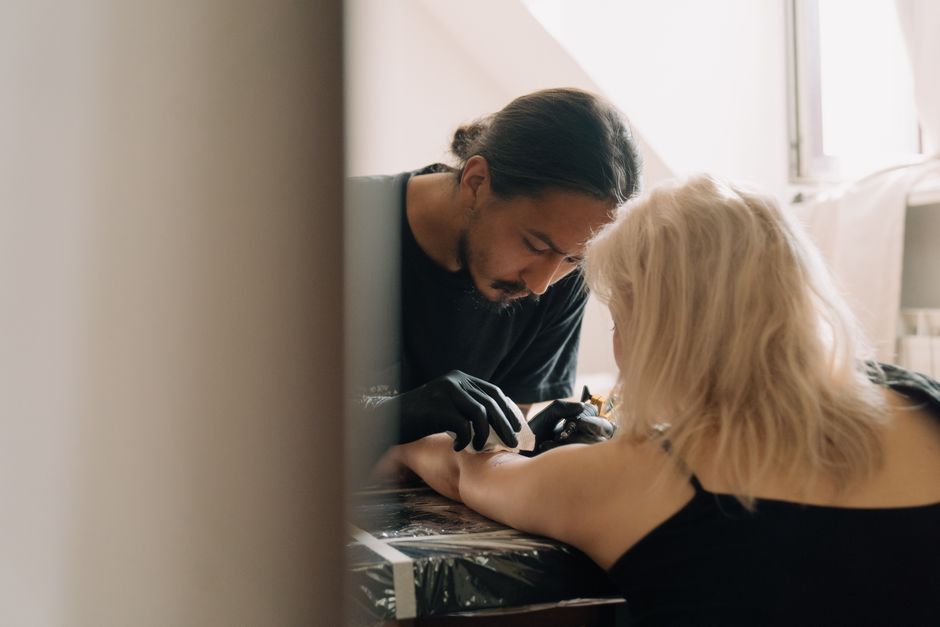
Ink Different Tattoos prepares you through our Traditional Tattoo Apprenticeship, an 18 to 24 month, four-phase Tattoo Artist training that builds job-ready skills and provides licensing support along the way, with hands-on training in real tattoo studios.
This is a genuine college alternative for people who are done wasting time in work that doesn’t fulfill them. You don’t need any prior art experience: we meet you where you are and grow your ability from the ground up. Our “Good Humans” culture means you’re never doing this alone.
Here’s what you can expect from our Traditional Tattoo Apprenticeship:
- Personalized hands-on training from Mentors who care about your growth.
- A four-phase structure that takes you from fundamentals to live client work.
- Licensing support so you understand the requirements and paperwork in your state.
- Job-ready skills that give you the confidence to walk into a Tattoo Shop as a professional.
Seats are limited by nature: real, in-person mentorship can’t be mass-produced. If you’re weighing this against a traditional degree, see why tattoo apprenticeships are gaining ground as a solid alternative to college.
What Is the Master Mentorship Program?
The Master Mentorship is a one-year, in-person Tattoo Artist Training led by celebrity and award-winning Mentors, designed to explode your career and sharpen a specific style. It’s built for both beginners and experienced artists ready to level up.
You’ll train alongside names like Al Fliction, Liz Cook, Kyle Dunbar, Boneface, and Jordi Pla. This program focuses on intensive skill development, business ownership, and mastering the style that becomes your signature.
How Does Ink Different Make Training Accessible?
Ink Different makes Tattoo Artist Training accessible with Spanish-speaking locations in Denver, Orange County, New York City, Miami, San Antonio, and San Diego. Language should never stand between you and a fulfilling creative career.
Whether you’re searching for a tattoo apprenticeship near Miami or near San Antonio, we’ve built a nationwide network so more aspiring Tattoo Artists can find their path. Wherever you start, the goal is the same: to help you plant the seed of a career you’re proud of.
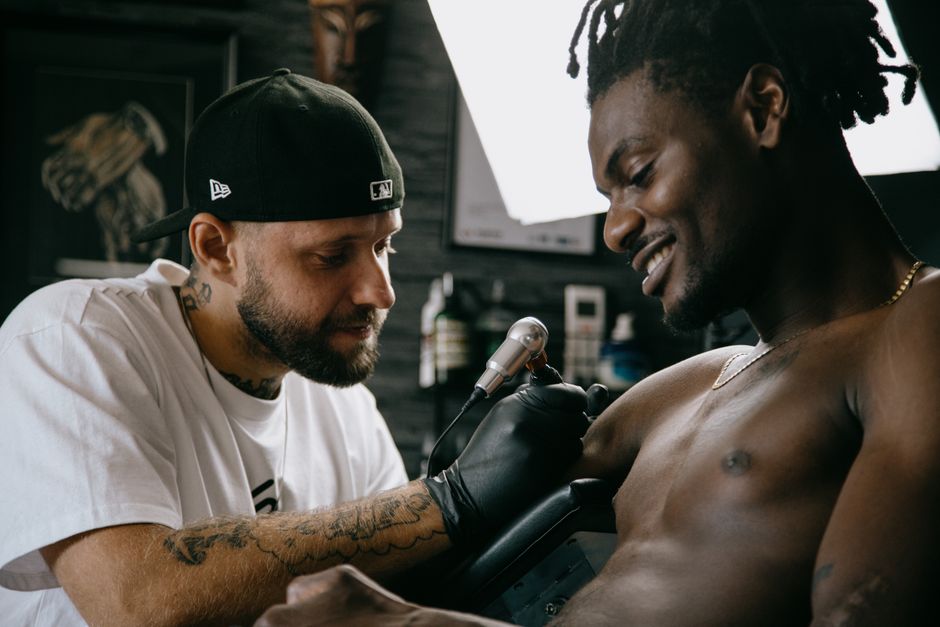
Getting your first tattoo license isn’t the mysterious, impossible mountain it seems from the outside. It’s a clear path: learn the fundamentals, train under a Mentor, earn your safety certification, and step into a career that machines can never replace.
Ready to become a Tattoo Artist? Apply now to Ink Different’s Traditional Tattoo Apprenticeship and start building an AI-proof career with licensing support along the way. Not sure yet? Fill out our quick questionnaire to get personalized support and find out if our tattoo apprenticeship is right for you.
Related reading: Ready for a career change? Try a tattoo apprenticeship and why now is the best time to become a tattoo artist.
Frequently Asked Questions
How long does it take to get your first tattoo license?
Most aspiring artists earn their first tattoo license in 18 to 24 months through a structured apprenticeship. The exact timeline depends on your state’s requirements and how quickly you master each phase.
Do I need prior art experience to get a tattoo license?
No. Ink Different’s Traditional Tattoo Apprenticeship is built for beginners and teaches drawing and machine fundamentals from day one, so no formal art background is required to start.
What makes Ink Different different from other training options?
Ink Different offers live, in-person mentorship with award-winning Mentors, a “Good Humans” community, and 15 years of experience. It’s a college alternative built for people pursuing genuine excellence.
Is a tattoo license the same in every state?
No. Every state sets its own tattoo licensing requirements, including apprenticeship hours, bloodborne pathogen certification, age minimums, and exams. Always check your specific state’s health department rules first.
Does Ink Different guarantee a job after the apprenticeship?
We don’t guarantee jobs. Instead, we build job-ready skills, provide licensing support, and prepare you for an AI-proof career so you can confidently work as a professional Tattoo Artist.
What is bloodborne pathogen certification and why do I need it?
Bloodborne pathogen certification is a safety course aligned with OSHA standards that teaches you to prevent infection and cross-contamination. Nearly every state requires it before licensing you to tattoo clients.