Tattoo Artist Licensing: What It Means for Your Career, Not Just Your Paperwork
September 14, 2026
What Nobody Tells You About Getting Your First Tattoo License
September 15, 2026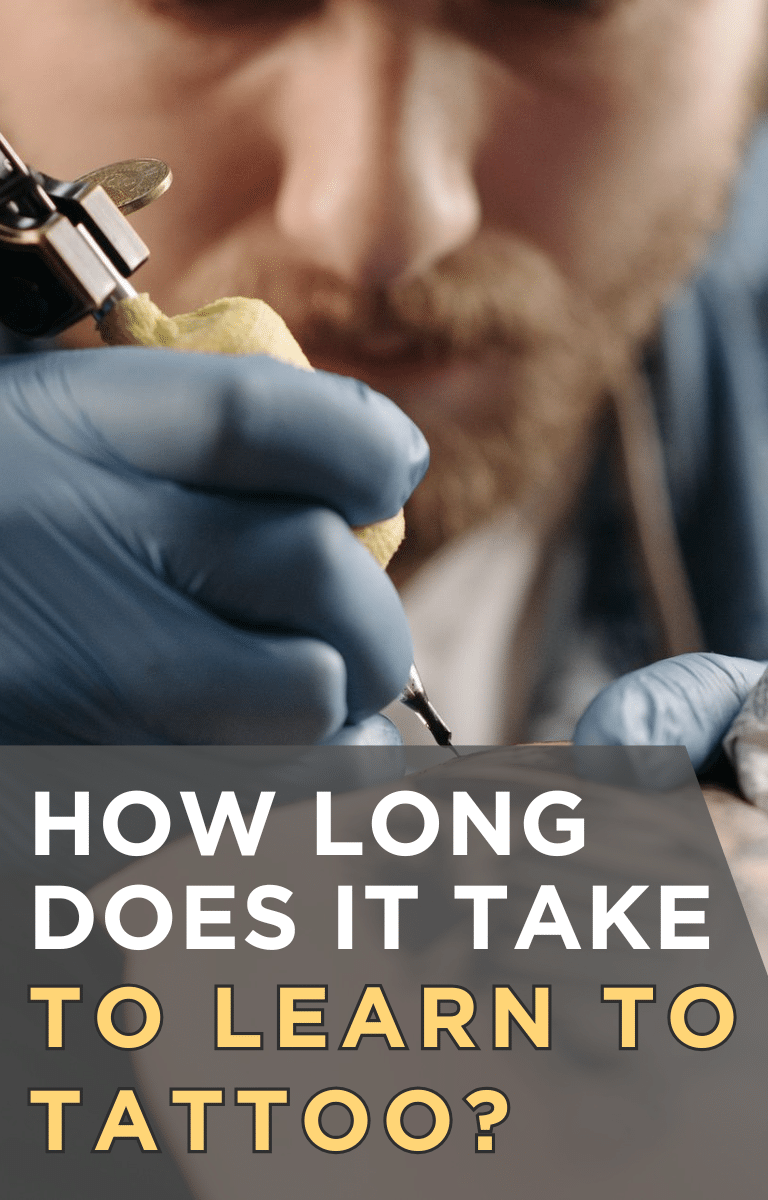
In This Article
- Key Takeaways
- How long does it take to learn to tattoo?
- Why does the timeline vary so much?
- What skills do you actually need to learn?
- What are the phases of learning to tattoo?
- How can you learn to tattoo faster (the right way)?
- Can you learn to tattoo on your own?
- How does Ink Different help you learn to tattoo?
- What if you want to level up faster?
- Ready to start your tattoo journey?
- FAQ
Learning to tattoo is the structured process of building drawing, machine-handling, safety, and client communication skills, typically mastered over 18 to 24 months through a hands-on tattoo apprenticeship. The question that actually matters is a practical one: how long does it really take, and where do you start?
At Ink Different Tattoos, we have spent fifteen years guiding people from “someday” to “signed clients.”
Key Takeaways
- Timeline: Most people learn to tattoo professionally in 18 to 24 months through a structured tattoo apprenticeship.
- No experience needed: Beginners with zero formal art background can start from the fundamentals.
- Skills over speed: Real progress depends on mastering drawing, safety, and live client work, not rushing.
- Mentorship matters: Live, in-person guidance from experienced Mentors dramatically shortens the learning curve.
- Career payoff: Tattooing is a hands-on, AI-proof creative career with licensing support along the way.
How long does it take to learn to tattoo?
Learning to tattoo professionally typically takes 18 to 24 months through a structured tattoo apprenticeship, though your exact timeline depends on starting skill level, practice consistency, and mentorship quality.
Think of it like planting a tree. You do not rush a strong root system. The first months are about foundations you cannot see, the ones that decide whether everything you build later stands tall or topples over.
Some people arrive already sketching daily and move a little faster. Others start from scratch and grow steadily. Both paths work. What matters is that you commit to the full arc instead of chasing shortcuts that leave gaps in your foundation.
Reality check: “Fast” tattoo courses that promise skills in a weekend teach you enough to be dangerous, not enough to be trusted. Depth beats speed every time.
Why does the timeline vary so much?
Your timeline to learn tattooing varies based on existing drawing ability, weekly practice hours, quality of guidance you receive, and state licensing requirements where you plan to work.
A person who draws every single day will build hand control faster than someone picking up a pencil for the first time. That is not a judgment; it is just the physics of practice. The good news is that everyone can grow this muscle.
Mentorship is the biggest variable of all. Trying to teach yourself is like navigating a forest without a map. A skilled Mentor hands you that map, so you spend your energy walking forward instead of wandering in circles. If you want to avoid the pitfalls that stall so many beginners, read our guide on the mistakes aspiring tattoo apprentices should avoid.
What skills do you actually need to learn?
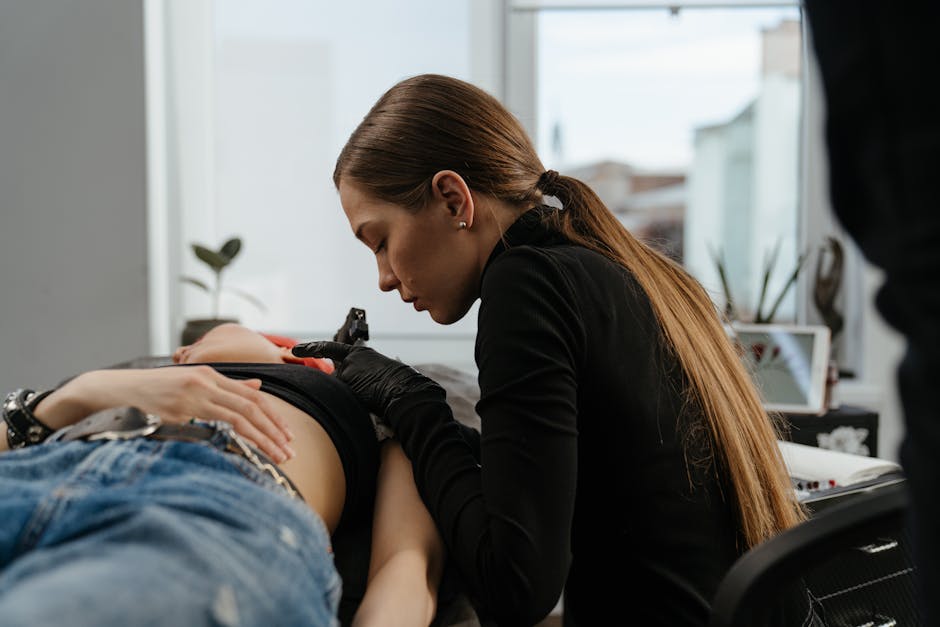
To learn to tattoo, you must master drawing fundamentals, machine handling, needle depth and pressure, color theory, skin behavior, bloodborne pathogen safety, and client communication.
Tattooing is not one skill. It is a stack of them layered together. Most beginners underestimate how much happens off the skin: the drawing, the stenciling, the setup, the sanitation. That invisible work is where professionals separate themselves from hobbyists.
Safety is non-negotiable and takes real study. Understanding OSHA bloodborne pathogen standards protects both you and your clients, and it is a requirement in most licensing pathways. Aftercare knowledge matters too, and guidelines from the American Academy of Dermatology help you guide clients through healing.
Before you ever touch a machine, you will want to know your gear. Our breakdown of the tools every beginner tattoo artist should know is a smart place to start.
What are the phases of learning to tattoo?
Learning to tattoo happens in four progressive phases: building art fundamentals, practicing on fake skin, tattooing under direct supervision, and working with real clients while preparing for licensing.
You cannot skip steps in this journey any more than you can skip grades in school. Each phase earns you the right to the next. Here is how the path typically unfolds.
- Step 1: Build your art foundation. Drawing, line work, shading, and design theory. This is where you develop the eye and the hand that everything else depends on.
- Step 2: Practice on synthetic skin. You learn machine control, needle depth, and pressure in a low-stakes setting so mistakes cost paper, not people.
- Step 3: Tattoo under supervision. Your first live work happens with a Mentor standing beside you, catching problems before they become habits.
- Step 4: Work with clients and prepare to get licensed. You build a real portfolio, refine your workflow, and get ready to enter the industry as a professional.
Curious about the legal finish line? Licensing rules differ by state. See how the process works in our guides on how to get your tattoo license in Texas and how long a tattoo license takes in Colorado.
How can you learn to tattoo faster (the right way)?
You learn to tattoo faster by practicing daily, studying under experienced Mentors, drawing constantly, and getting consistent feedback rather than cutting corners on safety or fundamentals.
Speed and quality are not enemies when you train smart. The apprentices who progress quickest are the ones who treat every day as a chance to grow, filling sketchbooks, studying skin, and asking questions relentlessly.
- Draw every day: Even 30 focused minutes compounds into great skill over months.
- Seek feedback early: A Mentor’s correction today saves you a year of bad habits.
- Build your brand as you learn: Start documenting your growth online using these platforms to help tattoo artists build their brand.
- Stay consistent: Momentum matters more than intensity in short bursts.
Can you learn to tattoo on your own?
You can technically learn some tattoo basics on your own, but self-teaching is slow, risky, and often blocks you from legal licensing, which is why a supervised tattoo apprenticeship is the trusted path.
Going solo is like trying to build a house from a YouTube video. You might get walls up, but the foundation will be shaky, and inspectors will never sign off. Most states require documented, supervised training before you can be licensed.
Beyond legality, self-taught artists miss the single most valuable resource in this craft: a real human watching your hands and correcting your form in the moment. That live, in-person feedback is something no tutorial can replace. And in a world of automation, this human touch is exactly what keeps tattooing thriving, as we explain in why tattoo artists are still essential.

How does Ink Different help you learn to tattoo?
Ink Different Tattoos teaches you to tattoo through a Traditional Tattoo Apprenticeship: an 18 to 24 month, four-phase, hands-on training built for beginners, with personalized mentorship and licensing support.
You do not need a college degree to build a meaningful, creative income. Tattooing is a college alternative that puts a real skill in your hands, and our tattoo apprenticeships as a college alternative article breaks down why more people are choosing this path.
With our Traditional Tattoo Apprenticeship, you build your art foundations and finish in professional tattoo studios where the real growth happens. No prior experience is required.
- Personalized, hands-on training from experienced Mentors who have done the work themselves.
- Four-phase structure that builds your skills in the right order, with no gaps.
- Licensing support and job-ready skills so you finish prepared to work professionally.
- Our “Good Humans” culture, a family-like community that has your back long after you sign your first client.
This is a real path toward an AI-proof career, one machines simply cannot replicate.
What if you want to level up faster?
Ink Different’s Master Mentorship is a one-year, in-person program for beginner and experienced artists seeking intensive skill development, style mastery, and business ownership guidance.
If you already have some experience, or you want to explode your growth in a specific direction, the Master Mentorship connects you with celebrated, award-winning Mentors including Al Fliction, Liz Cook, Kyle Dunbar, Boneface, and Jordi Pla. It is the accelerator for artists chasing mastery and a standout brand.
Good to know: Seats in our live, in-person programs are limited by nature, because real mentorship cannot be mass-produced. If this is your year, do not wait for the “perfect” moment that never comes.
Ready to start your tattoo journey?
Every season you stay stuck is a season you could have spent learning to tattoo instead. Our post on career change through a tattoo apprenticeship explains why there is no better moment than today to get started.
Ready to become a Tattoo Artist? Apply now to Ink Different’s Traditional Tattoo Apprenticeship and start building an AI-proof career, with licensing support along the way. Not sure yet? Fill out our quick questionnaire to get personalized support and find out if our tattoo apprenticeship is right for you.
Frequently Asked Questions
How long does it take to learn to tattoo?
Learning to tattoo professionally usually takes 18 to 24 months through a structured tattoo apprenticeship, depending on practice consistency, existing art skills, and mentorship quality.
Do I need art experience to learn to tattoo?
No. Ink Different’s Traditional Tattoo Apprenticeship is built for beginners and teaches drawing fundamentals from day one, so you start with zero formal art background required.
Can I learn to tattoo without an apprenticeship?
You can learn some basics alone, but self-teaching is slow, unsafe, and often blocks legal licensing. Most states require documented, supervised training under an experienced Mentor.
Is learning to tattoo hard?
Learning to tattoo is challenging but achievable. It requires patience, daily practice, and mentorship. Beginners who commit consistently and receive live feedback progress steadily through each training phase.
What makes Ink Different different from other tattoo training options?
Ink Different offers 15 years of experience, award-winning Mentors, a proven four-phase apprenticeship, comprehensive licensing support, and a family-like “Good Humans” culture as a college alternative.
Where can I learn to tattoo near me?
Ink Different Tattoos operates professional studios nationwide in Denver, Orange County, New York City, Miami, San Antonio, San Diego, and other locations, with Spanish-speaking training available.
Related reading: why spring is the best time to become a tattoo artist and start your tattoo apprenticeship this spring.