How to Become a Tattoo Artist in Ohio
July 29, 2026
How to Become a Tattoo Artist in Georgia
July 30, 2026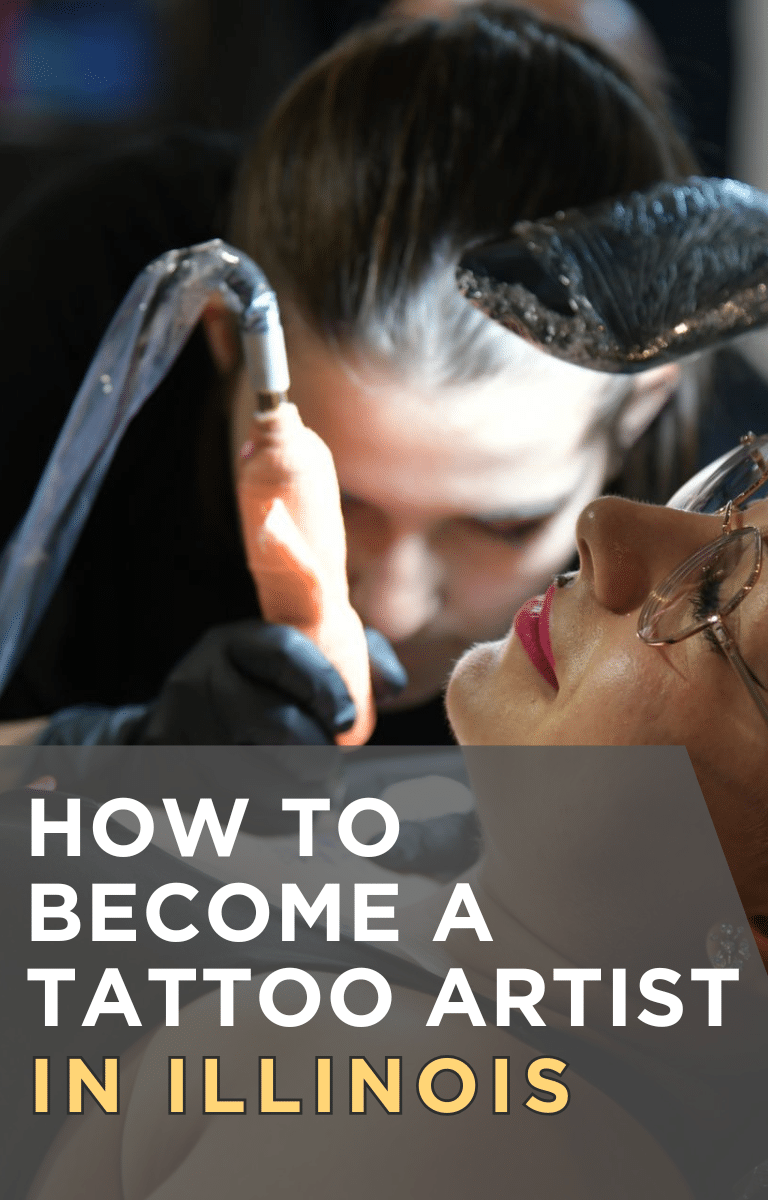
Becoming a Tattoo Artist in Illinois starts with one key detail: the state regulates the tattoo studio, not the individual Tattoo Artist. Illinois tattoo licensing works through a registration and compliance framework built around tattoo studios. Your path centers on learning to tattoo at a professional level while working inside a properly registered tattoo studio.
This guide walks you through how Illinois oversees tattooing, what that means for you as an aspiring Tattoo Artist, and how to build an AI-proof career from day one.
Table of Contents
- How does Illinois regulate tattooing?
- What does the shop-only model mean for you?
- How do you become a Tattoo Artist in Illinois step by step?
- What does it cost to get started in Illinois?
- What if you are moving to Illinois from another state?
- What mistakes should you avoid?
- How do you learn to tattoo with Ink Different?
- Frequently Asked Questions
Key Takeaways
- Regulator: The Illinois Department of Public Health oversees body art under 410 ILCS 54.
- Licensing model: Illinois uses a shop-only model, registering establishments rather than issuing individual Tattoo Artist licenses.
- Training: Registered Tattoo Artists must complete annual bloodborne pathogen (BBP) training.
- Minors: No tattooing, branding, or piercing under 18, even with parental consent, except for a medical exception.
- Career upside: A Professional Tattoo Artist can earn over $106,000 a year according to ZipRecruiter.
How does Illinois regulate tattooing?
Illinois regulates tattooing through the Illinois Department of Public Health (IDPH) under the Body Art Establishment Registration Act, 410 ILCS 54, which focuses on registering the facility rather than licensing individual Tattoo Artists.
Under this framework, the Tattoo Studio itself is the registered entity. Tattoo Artists work within a registered facility, and the state’s oversight centers on establishment standards, sanitation, and public health rather than an individual Tattoo Artist credential.
This is what the industry calls a shop-only model. Instead of a separate personal tattoo license Illinois residents apply for, the compliance responsibility sits at the establishment level, with artists operating inside that registered environment.
Tip: Always confirm that any Tattoo Studio you plan to work in or apprentice at is properly registered with IDPH. Registration is the backbone of legal tattooing in Illinois.
What does the shop-only model mean for you?
The shop-only model means your ability to work legally in Illinois depends on being a registered Tattoo Artist inside a registered body art establishment, not on obtaining a standalone personal license.
For you as an aspiring Tattoo Artist, this changes where you focus your energy. Rather than chasing an individual state exam, you concentrate on mastering the craft, meeting health and safety requirements, and aligning yourself with a legitimate registered facility.
Two requirements matter directly to you. First, Tattoo Artists must complete annual bloodborne pathogen (BBP) training. Second, the facility you work in must meet the state’s establishment standards. Because specifics can change, verify current details through the official IDPH resource linked at the end of this guide.
The practical takeaway is that your professional reputation and skill are your true credentials in Illinois. The state ensures the environment is safe, and your training determines whether clients trust you with their skin.
How do you become a Tattoo Artist in Illinois step by step?
To become a Tattoo Artist in Illinois, you learn the craft through a structured tattoo apprenticeship, complete required bloodborne pathogen training, and work within a registered body art establishment.
Here is a clear path to follow.
- Build your artistic foundation. Develop drawing, design, and composition skills. Strong fundamentals separate hobbyists from professionals.
- Find a Mentor. A quality tattoo apprenticeship under an experienced Mentor is the traditional route into the industry. This is where technique, safety, and studio professionalism come together.
- Complete annual BBP training. Bloodborne pathogen training is a recurring requirement for registered Tattoo Artists in Illinois. Keep your certification current every year.
- Work inside a registered facility. Because Illinois uses a shop-only model, you must operate within a registered body art establishment.
- Respect the minors rule. Illinois prohibits tattooing, branding, or piercing anyone under 18, even with parental consent, aside from a medical exception. Always verify client age.
- Confirm current requirements with IDPH. Rules and details can evolve, so check the official Illinois Department of Public Health resource before you begin.
This path rewards patience and repetition. The Tattoo Artists who thrive treat the tattoo apprenticeship as a serious professional training experience, not a shortcut.
What does it cost to get started in Illinois?
Illinois centers its regulation on establishment registration and annual bloodborne pathogen training, so individual cost details should be verified directly through the Illinois Department of Public Health rather than assumed.
Because the verified state framework does not list a specific individual Tattoo Artist fee, the honest answer is that you should confirm current costs with IDPH. Do not rely on secondhand figures, since these can change and vary by facility.
What you can plan for is the investment in your training. A high-quality tattoo apprenticeship is where most of your early commitment goes, and it is the single most important factor in your long-term earning potential. Consider it an investment in an AI-proof career, since hand-crafted tattooing cannot be automated.
Warning: Be skeptical of anyone quoting exact state fees without pointing you to the official IDPH source. When in doubt, verify directly.
What if you are moving to Illinois from another state?
If you are relocating to Illinois, understand that credentials from other states are treated as ineligible for transfer under the Illinois shop-only framework.
Because Illinois regulates establishments rather than issuing transferable individual licenses, you should not assume that paperwork from another state carries over. Instead, focus on meeting Illinois requirements: completing annual BBP training and working within a registered facility.
Your portfolio and demonstrated skill travel with you far better than any document. Experienced Tattoo Artists moving to Illinois often find that a strong body of work and a professional attitude open doors at registered studios quickly.
Confirm the exact steps for your situation through the Illinois Department of Public Health resource before you start tattooing in the state.
What mistakes should you avoid?
The biggest mistakes are working in an unregistered facility, letting bloodborne pathogen training lapse, and tattooing minors, all of which put your career and public safety at risk.
- Tattooing outside a registered establishment. The shop-only model means the facility must be registered. Working elsewhere is a serious compliance failure.
- Letting BBP training expire. This training is annual. Set a reminder and keep documentation current.
- Ignoring the age rule. Illinois bars tattooing anyone under 18 even with parental consent, except for a medical exception. Always verify identification.
- Skipping a proper tattoo apprenticeship. Trying to learn alone or through a shortcut leaves gaps in safety and technique.
- Guessing at the rules. When you are unsure, verify with IDPH rather than relying on rumor.
Avoiding these mistakes protects both your clients and the career you are building.
How do you learn to tattoo with Ink Different?
Ink Different offers a Traditional Tattoo Apprenticeship that teaches craft, safety, and professionalism as a serious alternative to college.
Rather than viewing tattooing as a hobby you stumble into, Ink Different treats it as a profession worth mastering. Our Traditional Tattoo Apprenticeship runs 18 to 24 months across four phases and welcomes beginners. It pairs you with an experienced Mentor who guides you through technique, machine control, sterilization, and the studio standards that keep clients safe.
This matters even more in a world of automation. Tattooing is a hands-on, human craft that artificial intelligence cannot replace, which makes it an AI-proof career. A Professional Tattoo Artist can earn over $106,000 a year according to ZipRecruiter, and that ceiling grows with reputation and skill.
We also help you understand the Illinois compliance landscape, including the shop-only model and the importance of annual bloodborne pathogen training, so you are ready to work confidently inside a registered facility.
Ready to become a Tattoo Artist? Apply now to Ink Different’s Traditional Tattoo Apprenticeship and start building an AI-proof career, with licensing support along the way.
Frequently Asked Questions
Do I need an individual tattoo license in Illinois?
Illinois uses a shop-only model that registers body art establishments rather than issuing individual Tattoo Artist licenses. You work as a registered Tattoo Artist inside a registered facility. Verify current details with the Illinois Department of Public Health.
Who regulates tattooing in Illinois?
The Illinois Department of Public Health regulates tattooing under the Body Art Establishment Registration Act, 410 ILCS 54, focusing oversight on the establishment and public health standards.
Can I tattoo a minor in Illinois with parental consent?
No. Illinois prohibits tattooing, branding, or piercing anyone under 18, even with parental consent, with a limited medical exception. Always verify a client’s age before working.
What training do I need to work as a Tattoo Artist in Illinois?
Registered Tattoo Artists must complete annual bloodborne pathogen (BBP) training. Beyond that, a quality tattoo apprenticeship builds the craft and safety skills clients and studios expect.
Can I transfer my tattoo credentials from another state to Illinois?
Out-of-state credentials are treated as ineligible for transfer under the Illinois shop-only framework. Focus on meeting Illinois requirements and working within a registered facility. Confirm your steps with IDPH.
How much can a Tattoo Artist earn?
A Professional Tattoo Artist can earn over $106,000 a year according to ZipRecruiter. Earnings grow with skill, reputation, and consistent professional work.
Official Illinois resource
For current, authoritative details, always check the official source before you begin tattooing.


