
Tattoo Design Software That Actually Speeds Up Full Sleeve Planning
September 22, 2026
Best Tattoo Styles for Building an Instagram Following Fast
September 23, 2026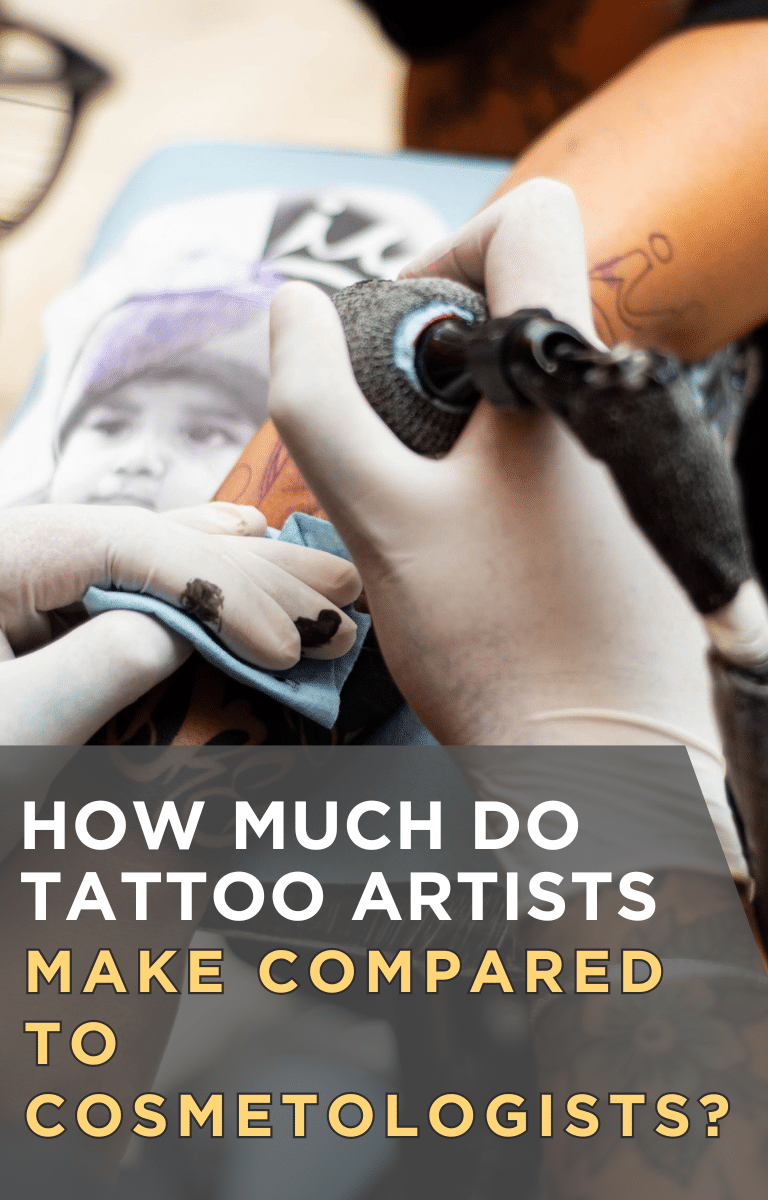
In This Article
- Key Takeaways
- What Do Tattoo Artists and Cosmetologists Actually Make?
- Why Is There an Income Gap Between These Careers?
- Which Career Has the Higher Earning Ceiling?
- How Do Training Time and Cost Compare?
- Which Career Is More Future-Proof?
- How Do You Start a High-Income Tattoo Career?
- Get Serious About Your Income With Ink Different
- FAQ
You’ve been staring at the same paycheck for years, wondering if you should have gone into cosmetology or tattooing instead. Both are hands-on, license-based careers where you work with your hands and get paid for skill.
But the income stories are very different. Tattoo Artist income is the earnings a professional Tattoo Artist generates through a mix of shop rates, per-piece pricing, tips, and a personal client base, often outpacing many licensed beauty trades once a reputation is built.
At Ink Different Tattoos, we’ve spent 15 years helping people trade dead-end jobs for a craft that pays.
Key Takeaways
- Established tattoo artists commonly out-earn cosmetologists due to premium per-service pricing and generous tips.
- Tattooing has a higher upper earning ceiling because top artists set rates and build loyal, repeat clients.
- A structured tattoo apprenticeship takes 18 to 24 months with hands-on mentorship and licensing support.
- Tattooing is AI-proof because permanent body art demands human trust, artistic judgment, and steady hands.
- You don’t need art experience to start—Ink Different’s apprenticeship is built for complete beginners.
What Do Tattoo Artists and Cosmetologists Actually Make?
Tattoo artists typically command higher per-session pricing and larger tips than cosmetologists, giving experienced artists a meaningful income edge despite both earning through service-based work.
Cosmetologists, according to the Bureau of Labor Statistics, work in salons providing haircuts, coloring, and styling. Their income is steady but often capped by service pricing and appointment volume.
Tattoo artists fall under the broader craft and fine artist category tracked by the Bureau of Labor Statistics. A single custom piece can take hours and command premium pricing, and repeat clients often book large, expensive work.
Reality Check: Income in both fields depends on skill, location, and reputation. But a tattoo artist charging by the hour on a full sleeve is playing a different pricing game than a stylist booking 30-minute cuts.
Why Is There an Income Gap Between These Careers?
The income gap exists because tattooing is permanent, custom, and high-trust work, so clients pay premium rates and tip generously for an artist they believe in.
Think of it like planting two different seeds. A cosmetology service grows back: hair regrows, color fades, clients rebook on a cycle. That’s steady, but it keeps pricing modest and volume-driven.
A tattoo is forever. When someone commits ink to their skin, they pay for permanence, artistic vision, and trust. That permanence lets tattoo artists price with confidence and build a devoted following.
The other driver is scarcity of skill. Anyone can learn to hold scissors, but few can execute flawless line work under a client’s watchful eye. That rarity translates directly into income.

Which Career Has the Higher Earning Ceiling?
Tattooing has the higher earning ceiling because top tattoo artists set premium hourly rates, book months in advance, travel for guest spots, and eventually own their own tattoo studios.
Both careers reward experience, but the top of the mountain looks different. A busy cosmetologist has a natural cap based on how many clients fit in a day. A sought-after tattoo artist can raise rates as demand grows.
Once your name carries weight, you gain leverage most trades never offer:
- Premium pricing: Established artists charge by the hour for custom, one-of-a-kind work.
- Client loyalty: Repeat clients return for multiple large pieces over years.
- Brand income: Guest spots, conventions, merchandise, and social following add revenue streams.
- Ownership: Many artists open their own tattoo shop and earn from the whole operation.
Want to build that name faster? Learn from our guide on platforms that help tattoo artists build their brand.
How Do Training Time and Cost Compare?
Both careers require licensed training, but a structured tattoo apprenticeship (18 to 24 months) delivers hands-on mentorship that classroom cosmetology programs often cannot match for building a client-ready portfolio.
Cosmetology school typically means a set number of classroom and practical hours before you sit for a state license exam. It’s structured, but heavily standardized.
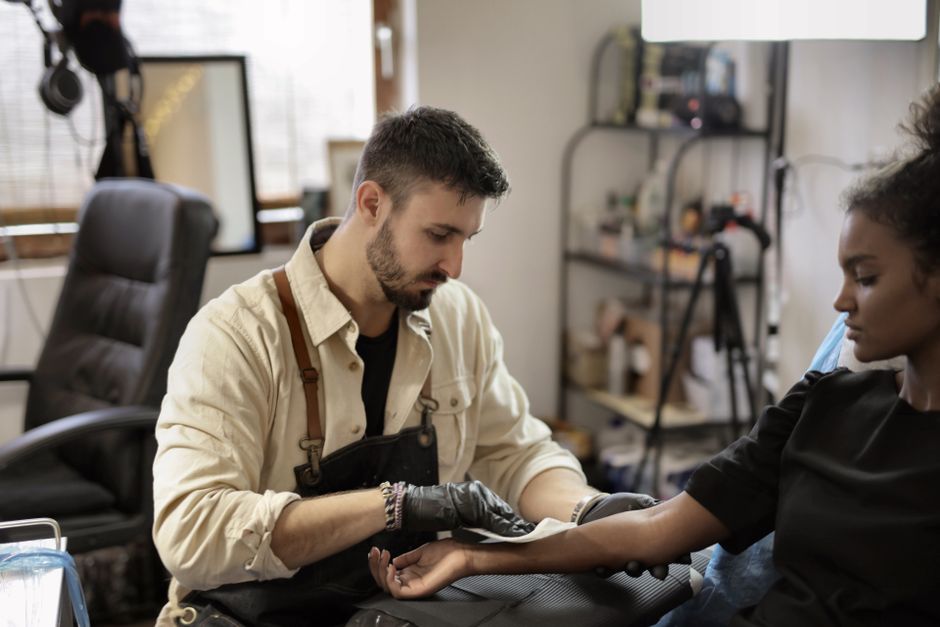
A tattoo apprenticeship is more like an old-world craft passing from mentor to apprentice. You learn by doing, under the eye of someone who has already walked the path. That live, in-person guidance is what turns raw talent into a paying career.
Curious how licensing works in specific states? See our guides on getting your tattoo license in Texas and how long a tattoo license takes in Colorado.
Before you commit, avoid the traps we cover in mistakes aspiring tattoo apprentices should avoid.
Which Career Is More Future-Proof?
Tattooing is an AI-proof career because permanent body art demands human trust, steady hands, and one-on-one artistic collaboration that no robot can authentically replicate.
Automation is coming for a lot of jobs, but not the ones built on human touch and trust. Cosmetology is fairly safe here too, yet tattooing carries an even deeper layer of irreplaceable human judgment: a permanent decision on living skin.
We dug into this in detail in why tattoo artists are still essential. The short version: clients want a real human they trust holding the tattoo machine.
Choosing an AI-proof craft isn’t just about today’s paycheck. It’s about protecting your income for decades. That’s the kind of foundation worth building.

How Do You Start a High-Income Tattoo Career?
You start a high-income tattoo career by joining a structured tattoo apprenticeship, building a strong portfolio, earning your state license, and steadily growing a loyal client base.
Here’s the path, broken into clear steps:
- Step 1: Commit to the craft. Decide you’re ready to leave the job that’s wasting your potential and pursue tattooing seriously.
- Step 2: Learn the fundamentals. Master drawing, line work, and tattoo machine handling, plus safety standards like the OSHA bloodborne pathogen standards.
- Step 3: Get hands-on with a mentor. Practice on fake skin, then supervised live clients under a licensed tattoo artist.
- Step 4: Earn your license. Complete licensing requirements with support and pass your state exam.
- Step 5: Build your name. Grow a client base, raise your rates, and expand your income streams over time.
Timing matters too. Read why spring is the best time to become a tattoo artist if you’re wondering when to begin. And if you’re ready to take action now, explore career change tattoo apprenticeship options.
Get Serious About Your Income With Ink Different
Ink Different Tattoos offers a college alternative built for people who want a real, AI-proof, income-generating craft instead of a dead-end job or expensive degree.
You’re the hero of this story. We’re just the guide who’s helped countless people make this exact leap. Our job is to hand you the map, the tools, and the mentorship so you don’t wander alone.
What You Can Expect from Our Traditional Tattoo Apprenticeship
Our Traditional Tattoo Apprenticeship runs 18 to 24 months across a proven four-phase structure. You get:
- Personalized hands-on training: Real guidance, not a crowded classroom.
- Start remote, finish in studios: Begin building fundamentals, then move into a working tattoo studio.
- Beginner-friendly: No prior art experience needed.
- Licensing support and job-ready skills: Graduate prepared to work professionally.
A Career That Comes With Confidence
By the end, you’re not guessing. You’ve got a guaranteed job offer, job-ready skills, licensing support, and the confidence to hold your own in any tattoo studio. This is how a college alternative should feel: practical, respected, and built for the real world.
Mentorship That Pushes Your Brand and Skills Further
Ready to explode your career? Our Master Mentorship is a one-year, in-person program with celebrity and award-winning Master Mentors, including Al Fliction, Liz Cook, Kyle Dunbar, Boneface, and Jordi Pla. It’s ideal for mastering a specific style, growing your brand, and stepping toward tattoo studio ownership.
Making Tattoo Training Accessible for Everyone
We offer Spanish-speaking locations in Denver, Orange County, NYC, Miami, San Antonio, and San Diego, so language never stands between you and your future. Our “Good Humans” culture means you’re joining a supportive, family-like community, not walking in alone.
Remember: Seats in our Tattoo Apprenticeship Program are limited by design so every apprentice gets real, focused mentorship. If income and freedom matter to you, don’t let another year slip by.
Ready to Become a Tattoo Artist?
You came here asking how tattooing income stacks up against cosmetology, and the honest answer is this: tattooing gives you a higher ceiling, an AI-proof craft, and the freedom to build a name that pays.
Ready to become a tattoo artist? Apply now to Ink Different’s Traditional Tattoo Apprenticeship and start building an AI-proof career with licensing support along the way.
Frequently Asked Questions
Do tattoo artists make more money than cosmetologists?
Experienced tattoo artists often out-earn cosmetologists through premium per-session rates, larger tips, and loyal repeat clients building long-term relationships.
How long does it take to become a tattoo artist?
A structured tattoo apprenticeship typically takes 18 to 24 months. Ink Different uses a 4-Phase structure with licensing support and job-ready skills.
Do I need art experience to start a tattoo apprenticeship?
No. Ink Different’s apprenticeship is built for beginners and teaches drawing, line work, and machine handling from day one with no prior experience required.
Is tattooing a stable, future-proof career?
Yes. Tattooing is AI-proof because it relies on human trust, steady hands, and one-on-one artistic collaboration that robots cannot authentically replicate.
What makes Ink Different different from a tattoo school?
Ink Different offers live, in-person mentorship from award-winning artists, a supportive “Good Humans” community, and a college alternative model since 2011.
Where can I do a tattoo apprenticeship with Ink Different?
Ink Different operates nationwide with Spanish-speaking locations in Denver, Orange County, NYC, Miami, San Antonio, and San Diego for accessible training.