Choosing an apprenticeship
Structured or unstructured? Two very different paths into tattooing.
Some people spend months, or even years, walking into tattoo shops hoping someone will take them on. Others choose a structured apprenticeship built to teach every skill, step by step. Both can lead to a career. Here is what to understand before you choose.
Talk to an Advisor
Tell us about yourself and an admissions Advisor will call to walk you through how the apprenticeship works. No cost, no obligation.
We usually call within one business day.
The idea
What does “structured” actually mean?
A structured apprenticeship isn’t about making tattooing easier. It’s about making learning more effective. Instead of guessing what to practice next, or when you’ll finally get to tattoo, you always know:
- What you’re learning
- Why you’re learning it
- What comes next
- How you’re progressing
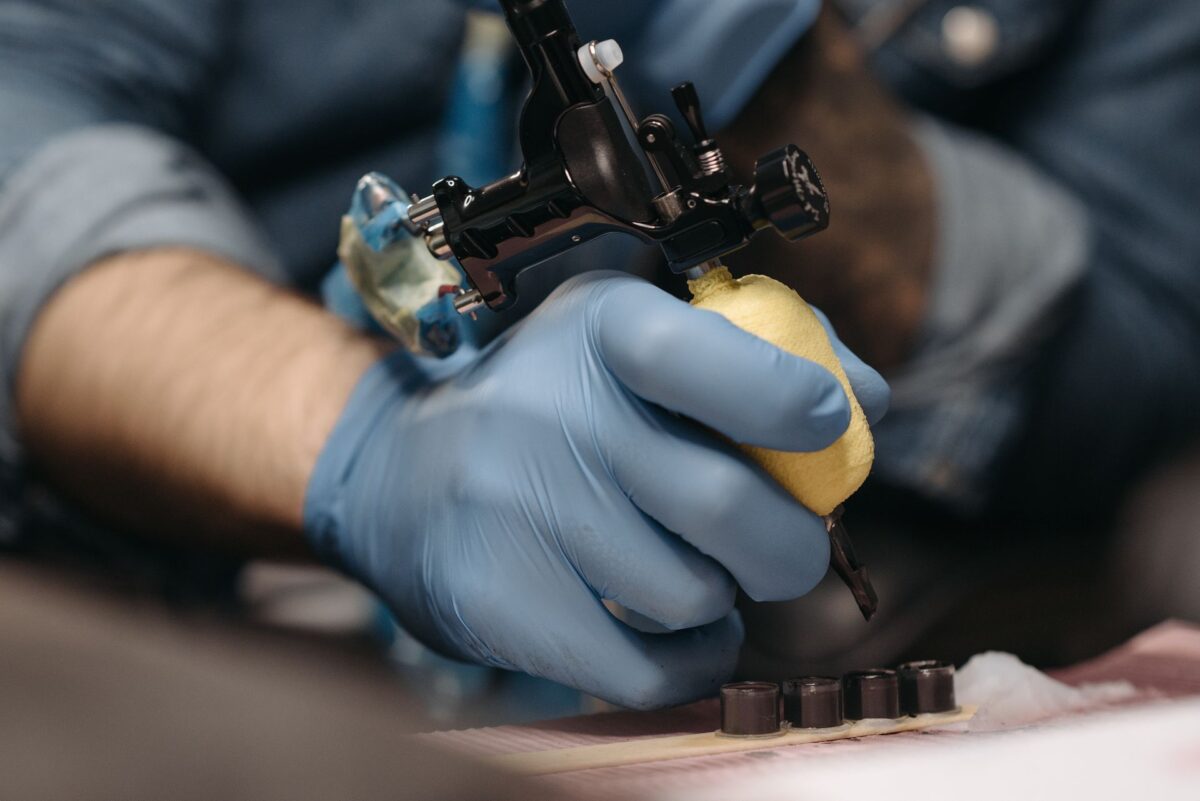
Side by side
The same goal, two very different experiences
Neither is a shortcut. What separates them is how the learning is built, and who builds it.
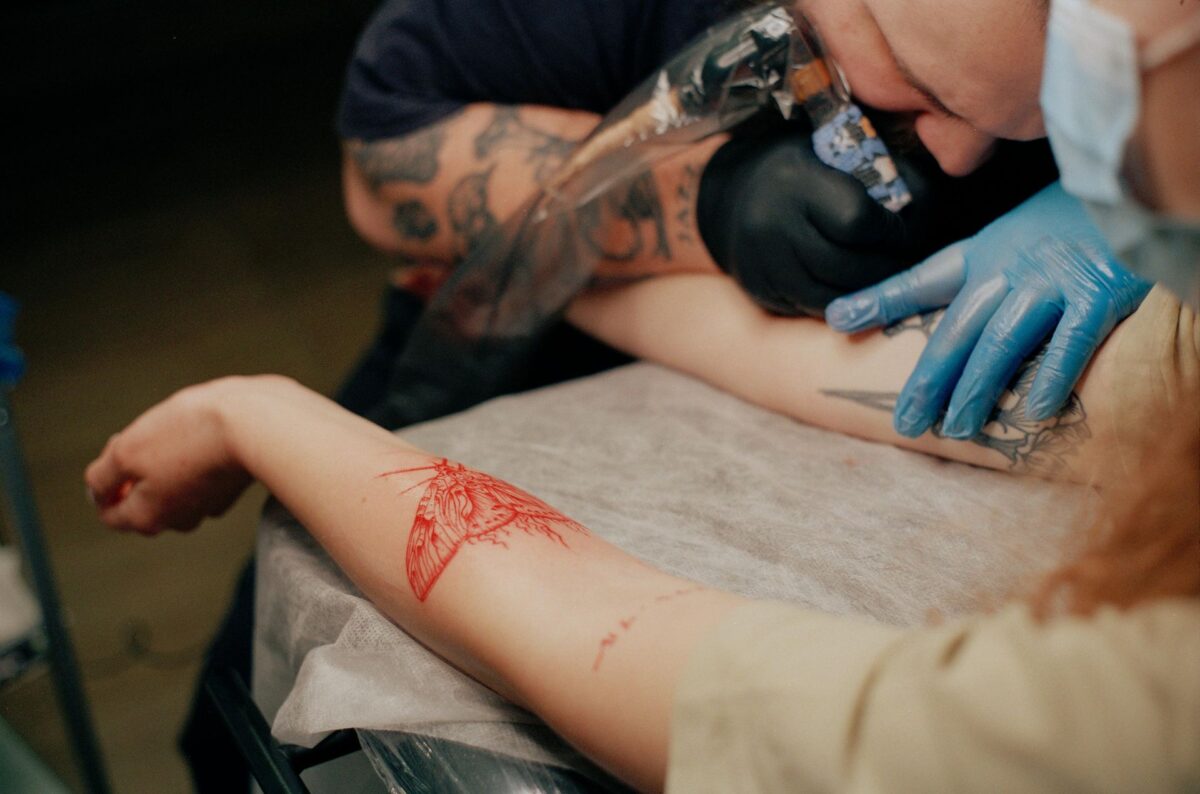
Unstructured apprenticeship
For decades this has been the most common way into the industry. You build an art portfolio and visit local shops hoping to find an artist willing to take you on.
Once accepted, every experience is unique, because there is no standard structure. Each mentor decides how, when, and what to teach based on their own experience and availability.
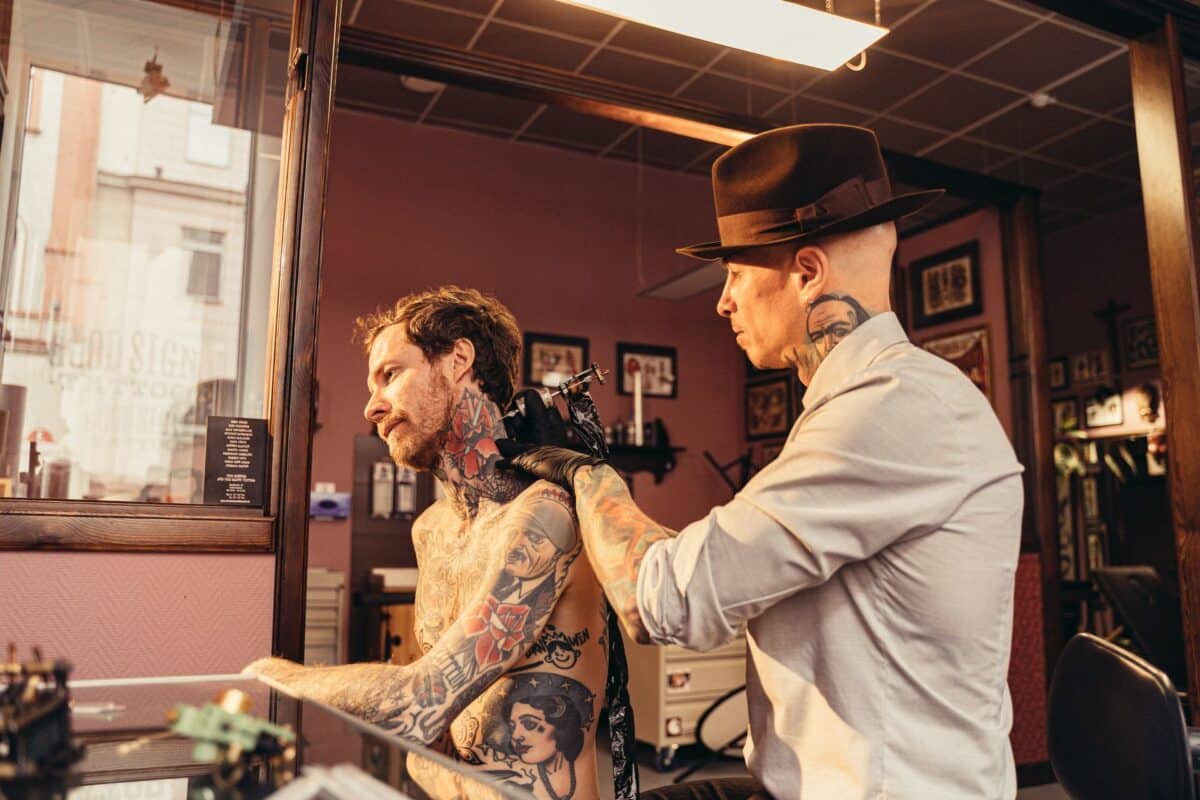
Some apprentices spend a lot of time observing, handling shop responsibilities, or waiting until their mentor has time to teach. Because professional artists serve clients all day, teaching happens alongside a busy schedule, so the pace can vary with client demand and workload.
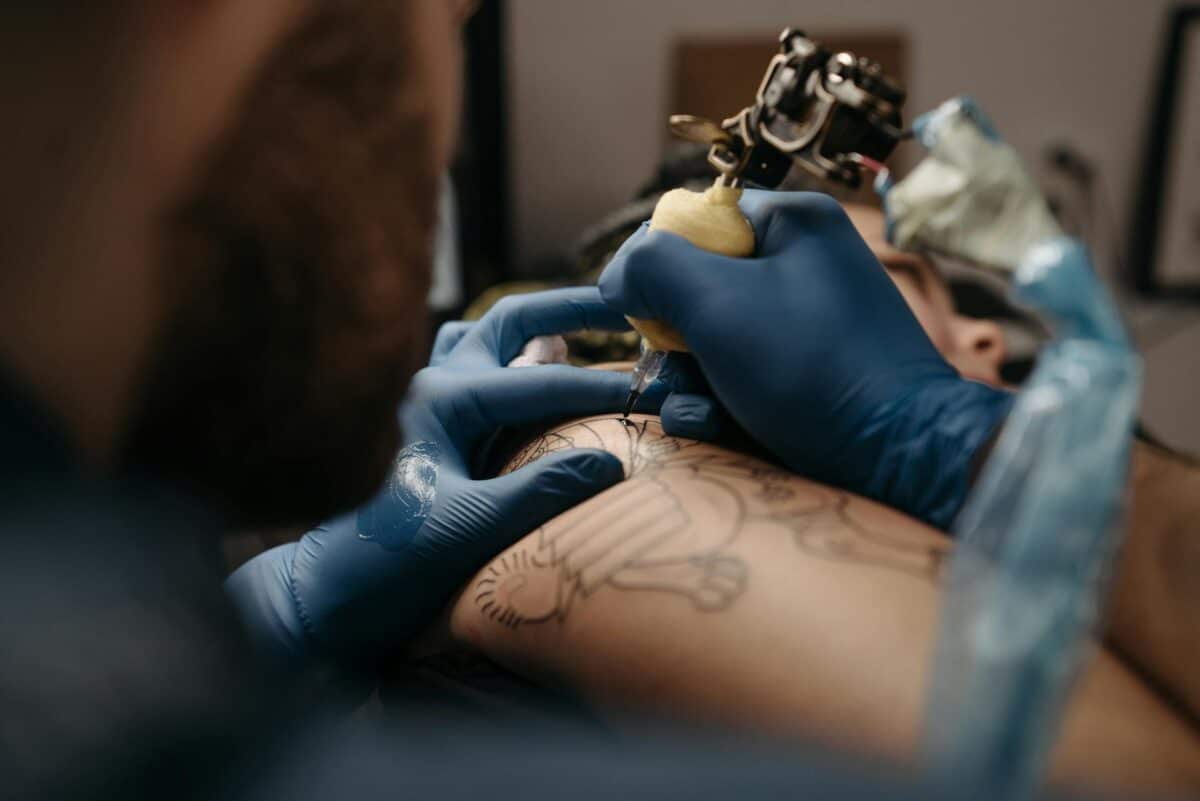
Structured apprenticeship
A structured apprenticeship is designed around education first. Rather than deciding what to teach as situations arise, it follows a planned curriculum that builds skills in a logical sequence, like a step-by-step guide to what you’ll learn and how.
It combines instruction, demonstrations, guided practice, mentorship, and hands-on experience, so you understand not only how to perform a skill but why it matters. You get continuous feedback, with clear milestones and ongoing evaluations that measure your development.
Best of all, you always know where you are in the process. Defined objectives mean each lesson prepares you for the next, so you build confidence before moving on to more advanced techniques.
“I wanted a place where I could actually learn every part of tattooing instead of just doing shop chores.”Megan Hostetler · Ink Different Apprentice, Dallas
The heart of it
The biggest difference
Between a shop apprenticeship and a structured program, the biggest difference is how the learning is organized. A traditional shop apprenticeship is shaped by the individual mentor’s teaching style, schedule, and shop environment. A structured apprenticeship is built around a planned educational system with defined objectives, progressive skill development, and consistent guidance.
Both paths require dedication, practice, humility, and hard work. No apprenticeship can replace the hours of effort it takes to become a skilled Tattoo Artist. But understanding how each model approaches learning can help you make an informed decision about which environment fits your goals.
The part that matters most
But not all structured apprenticeships are equal
Structure alone isn’t the finish line. A two-week or two-month program labeled “structured” and run by artists who were never trained to teach is not the same as an apprenticeship built and led by educators. A weak structure can leave you worse off: you follow something untested, believe you’re ready, and find the gaps only once you’re working on skin. So the real question isn’t simply structured or not. It’s who built the structure, and who teaches it.
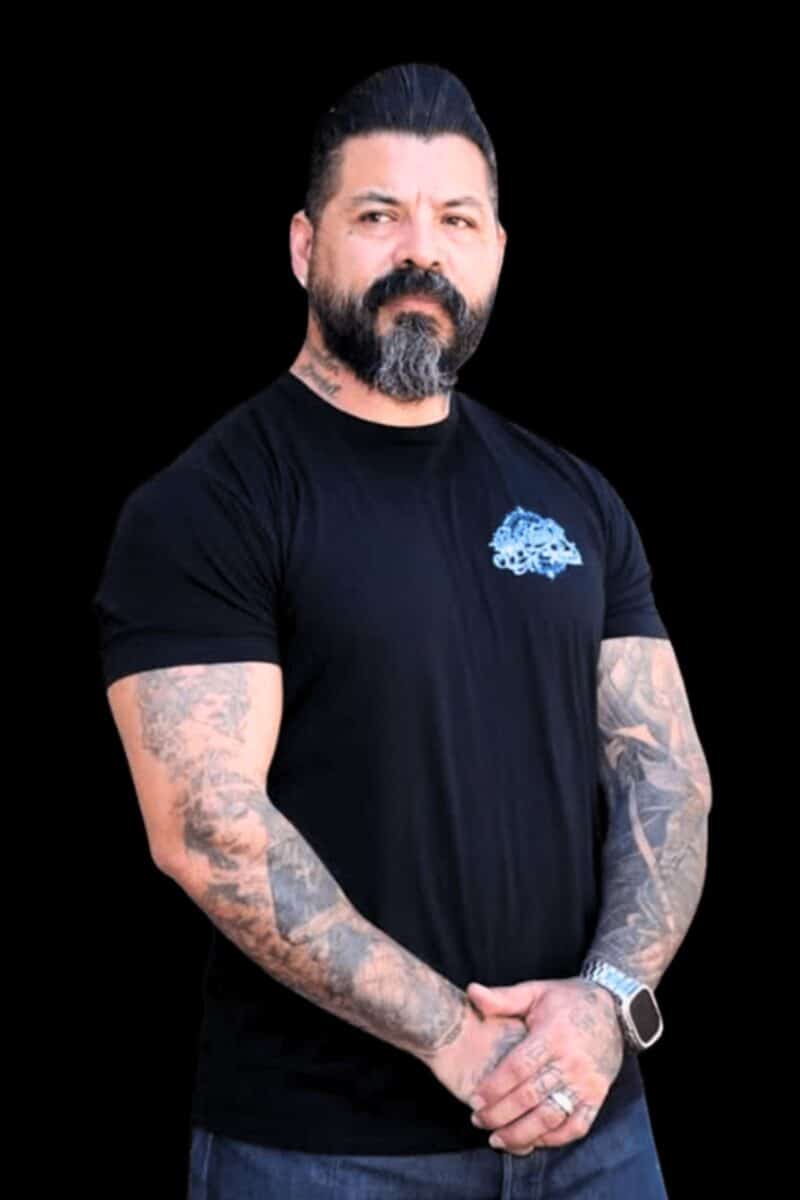
Our Mentors are trained as art educators, not just working artists. They know how to teach, not only how to tattoo, and the curriculum has been built and refined over years rather than improvised. That is the difference between a structure that genuinely prepares you and one that only looks the part.
Do your homework
Questions to ask before choosing any apprenticeship
No matter where you train, the answers to these tell you a lot about the education you’re signing up for.
- Is there a curriculum?Yes. A defined, four-phase curriculum that builds from your first drawing to client work.
- How often will I receive instruction?Regular, scheduled instruction, live and hands-on, not only when the shop happens to be quiet.
- Will I receive hands-on training?Yes. You finish in a working studio, on real clients, guided by a Mentor.
- What skills will I learn?Everything on this page: safety, design, machine work, client care, portfolio, and business.
- How is progress measured?Defined milestones and ongoing evaluations at every phase, so you always know where you stand.
- Who will mentor me?Working Tattoo Artists trained as educators, with an average of over a decade in the chair.
- What happens after I finish?Licensing support and job-ready skills to start working as a professional Tattoo Artist.
More than the art
A complete apprenticeship prepares you for all of it
Professional Tattoo Artists need more than artistic ability. A complete apprenticeship should also prepare you for:
Tattooing is both an art and a profession. Learning both is what prepares you for a long-term career.
Ink Different Apprenticeship
See how a structured apprenticeship actually works
Talk to an Advisor about the curriculum, the mentorship, and what your path from day one to working Tattoo Artist looks like.
Talk to an Advisor