For Parents
Your child wants to be a Tattoo Artist.
“But what about college?”The first thing almost every parent says
It is a fair question, and it deserves a straight answer rather than reassurance. Ink Different is a structured apprenticeship that takes serious artists and trains them into working professionals. It starts in a live virtual classroom and finishes on the floor of a licensed studio. More than 200 people have come through it.
Request an advisor call
Fill this in and an admissions advisor reviews it, then calls you to talk through whether the program is right for your child. You are not committing to anything.
No cost. No obligation.
The people doing the teaching
Your child will not be taught by a video course
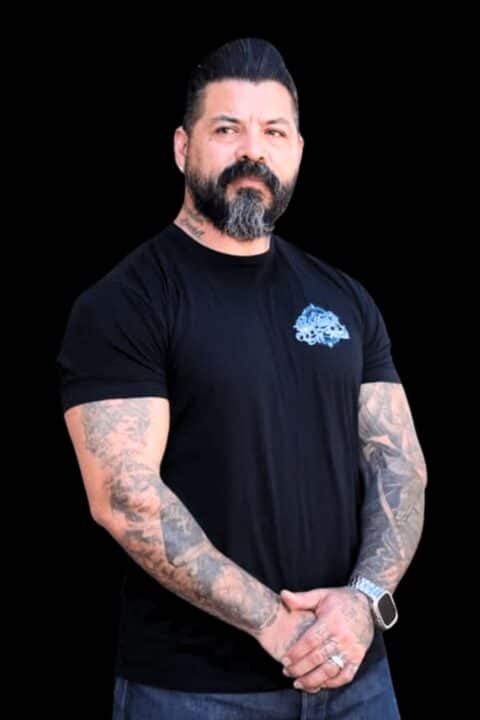
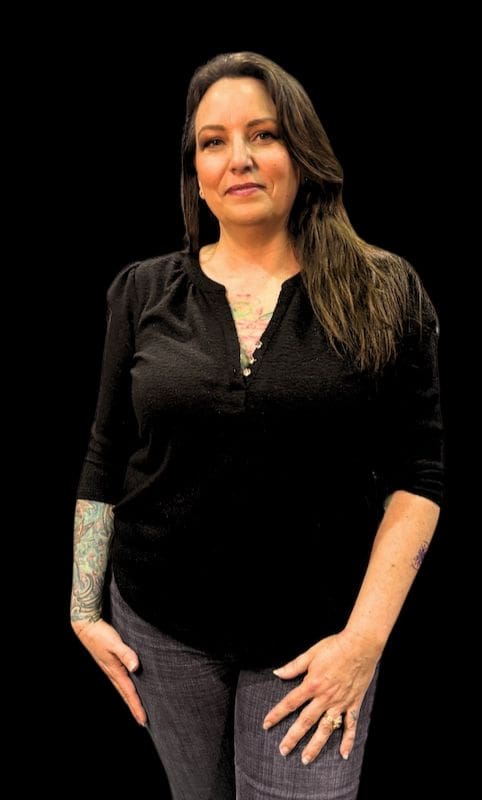
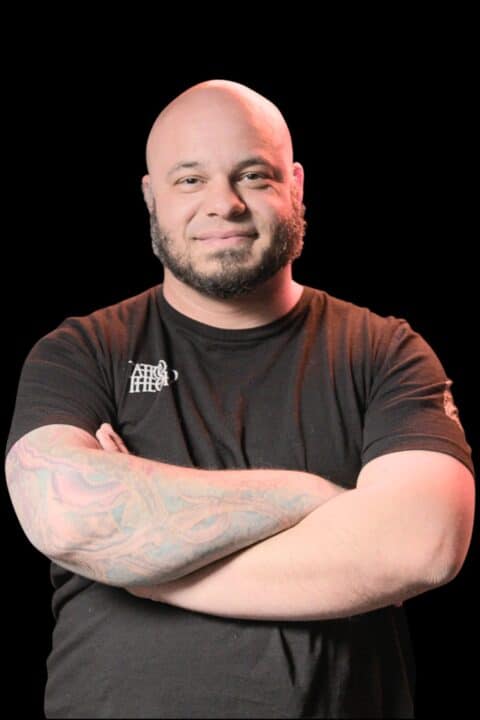
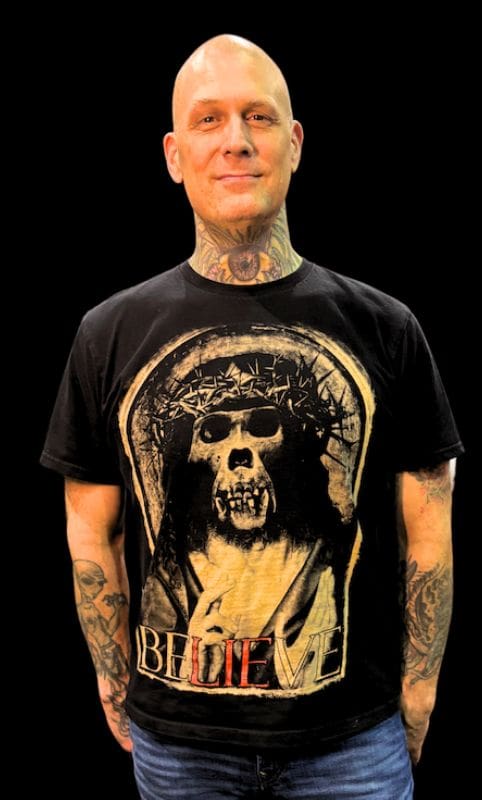
Every apprentice trains under a working Tattoo Mentor with 10 to 20+ years in the industry, inside a licensed studio, on real clients. These are the people who will be in the room.


You’re not overreacting. You’re being a parent.
When your child says they want to tattoo for a living, the worry is fair. Is it a real career? Will they make a living? Is it safe? Those are the right questions to ask, and you deserve straight answers rather than a sales pitch. Here is the honest version.
The three questions parents ask us first
- “How will they actually make a living?”
- Tattooing is hands-on, personal work that depends on trust between two people in a room. It has not been automated, and it is hard to see how it could be. The figures above are the industry as it stands, not our best case.
- “Is this a real qualification, or just a course?”
- The apprenticeship is structured and assessed. Apprentices train under the Tattoo Mentors above, inside licensed studios, on real clients. They leave with a portfolio and studio experience, not a certificate alone.
- “Is the environment safe and professional?”
- Yes. Our partner studios are inclusive, regulated, hygiene-compliant workplaces with proper safety standards. It is a professional setting, not the stereotype.
- “What does it cost next to college?”
- A fraction of a four-year degree, over a shorter period. Many families use a 529 plan, since the rules now cover a range of vocational paths. For context, here is what the average American graduate carries afterwards.
Student loansAuto loanCredit card
What we commit to
- Job placement support for every graduate
- We guide you through your state’s licensing requirements
- Financing options available, and 529 plans often apply
- A nationwide network of studios to place into
The honest comparison
College is not the only path to a real career
We are not anti-college. For some students it is the right call. But the “degree or nothing” assumption is worth questioning.
| Comparison | Four-year degree | Ink Different Apprenticeship |
|---|---|---|
| Time to working | 4+ years | 18 to 24 months |
| Typical debt | About $37,853 average student loan debt | A fraction of a four-year degree. Financing available |
| Job at the end | Not guaranteed | Job placement support for every graduate |
| What they gain | Varies | A licensed trade for life |
Sources for every figure are listed in the Parent’s Guide, so you can check them yourself.
In their own words
Two artists on the college question
Brandon and Shamain are working Ink Different Tattoo Artists. Between them, about a minute on the path they chose instead.
You don’t have to decide today
Just get the facts
Download the Parent’s Guide and you have it all in one place: the costs, how 529 plans can apply, the timeline, the income data with sources, and where our graduates are working now.
Read it, then have a real conversation with your child before you decide anything.
Send me the guide
Three fields. The guide arrives by email straight away.
Questions before you fill anything in? Call +1 917 227 2842 or email info@becomeatattooartist.com