The 2026 Tattoo Artist Timeline, Step by Step
In 2026, most Tattoo Artists still move through the same six steps. Each one builds on the last, so the timeline makes sense when you see it in order.
Stage 1. Art Foundations and Portfolio Building
Before any tattoo apprenticeship says yes, you need art skills that hold up under pressure. Tattoo shops want to see that you can draw cleanly and think like a designer. A strong portfolio can help open your doors to the best tattoo apprenticeships in 2026.
Start with the basics and make them solid. Practice line control until your strokes look steady and intentional. Learn shading that shows smooth value changes, not scratchy patches. Train your eye for layout, because a good tattoo uses the body as part of the design.
For 2026, aim for a portfolio that feels tattoo shop-ready. Include clean flash sheets with clear themes. Show finished pieces, not half ideas. Add range, like black and gray, bold traditional, fine line, lettering, and simple realism. Quality matters more than volume, so edit hard. One great page beats five messy ones.
Stage 2. Getting Into a Tattoo Apprenticeship
Once your portfolio feels strong, the next step is getting into a tattoo apprenticeship. This part can feel intimidating, but it gets easier when you know what tattoo studios look for. Most trainers want someone who draws well, learns fast, and fits the tattoo shop culture.
Portfolio quality is the first filter. Tattoo studios want clean presentation and clear intent. They also pay attention to how you show up. Be on time, be polite, and respect their workflow. A tattoo studio does not want to babysit someone who cannot follow directions.
Finding the right trainer matters a lot. A good trainer gives clear feedback and protects client safety. They also help you build habits that last your whole career. A bad fit can slow your growth or push you into shortcuts.
Stage 3. Early Tattoo Apprenticeship Training
Your tattoo apprenticeship usually starts with observation and preparation. In your first few months, you focus more on learning than tattooing. That is normal, and it sets the tone for everything that follows.
Expect heavy emphasis on safety and tattoo shop workflow. You learn how to set up stations properly. You practice cleaning, disinfecting, and sterilizing tools. You also learn how to handle machines and needles safely. These habits protect clients and protect your future license.
Most programs require bloodborne pathogens training early on. Some also suggest CPR or first aid courses, depending on local rules. These certifications teach you how to prevent infection and respond to exposure risks.
Stage 4. Tattooing Under Supervision
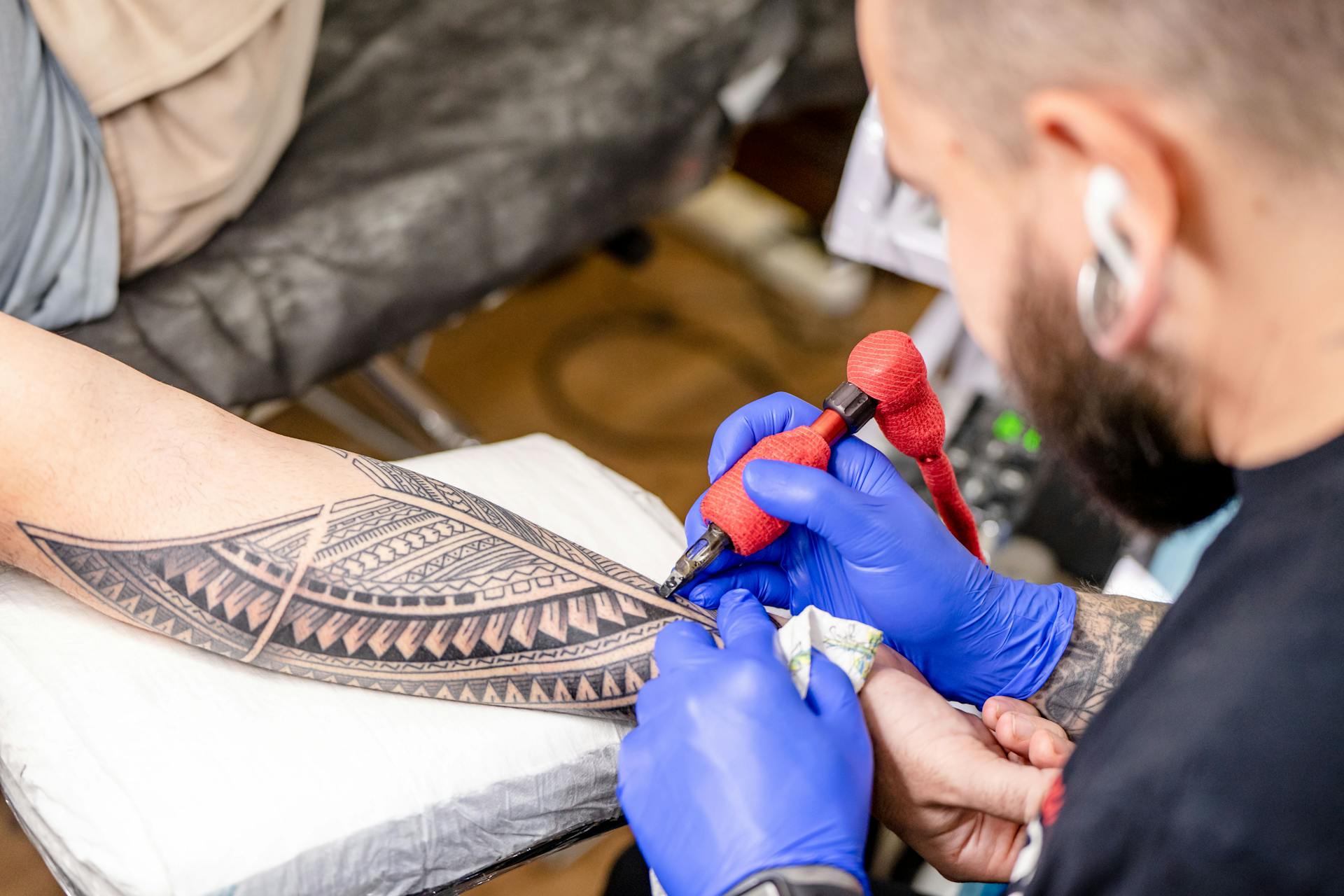
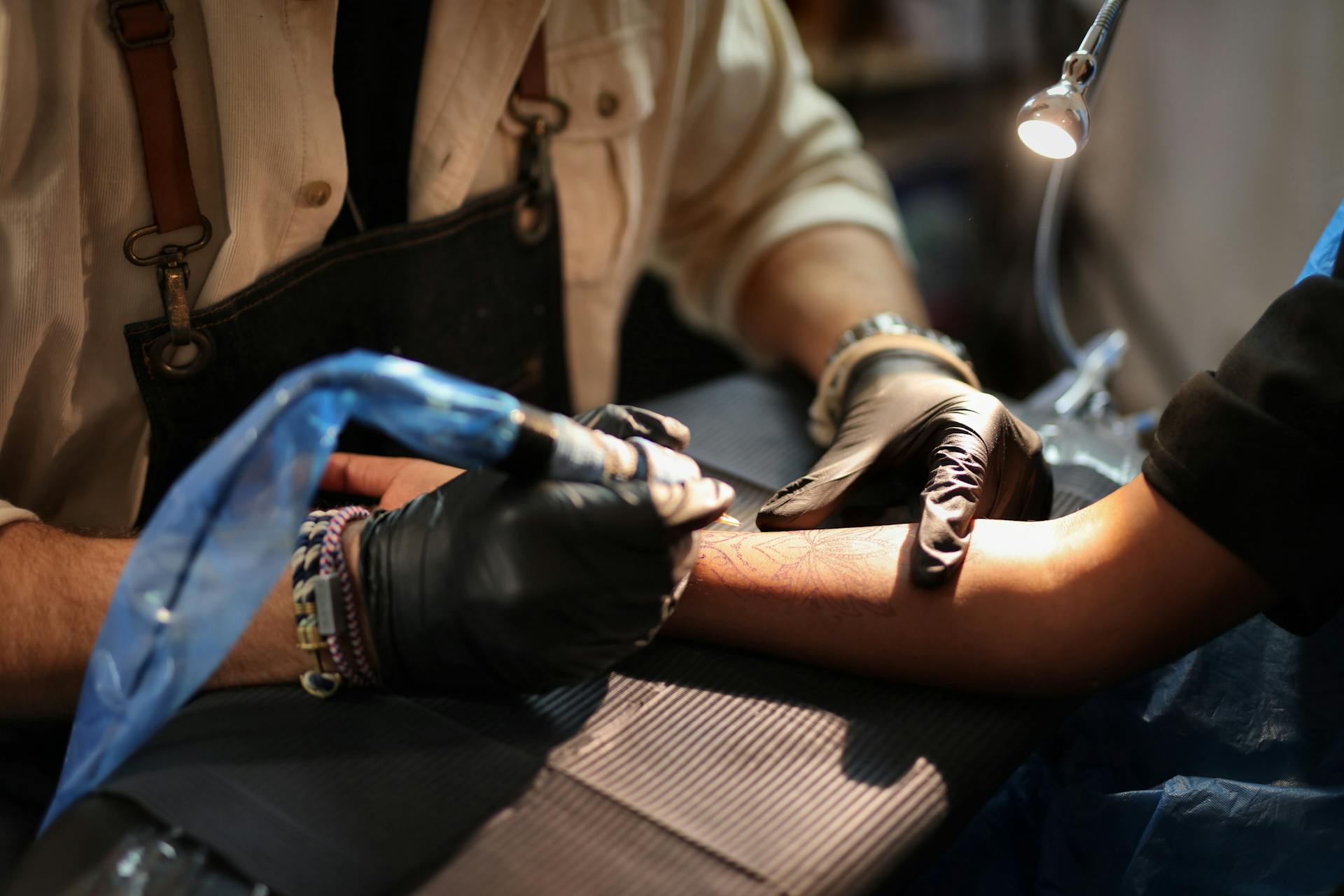
After you build a foundation, you move into supervised tattooing. This is where tattooing starts to feel like an actual reality, because you work on clients while your trainer watches closely. Think of it as training wheels that keep everyone safe.
You usually start small. Simple lines, small flash, and limited shading help you focus on control. Your trainer may guide your hand or stop you to correct technique. That feedback is gold, so stay open to it. As you improve, you grow into larger designs and color work. You practice packing, smooth blends, and clean transitions. You learn to manage longer sessions and keep your workstation consistent.
Stage 5. Working Independently as a Tattoo Artist
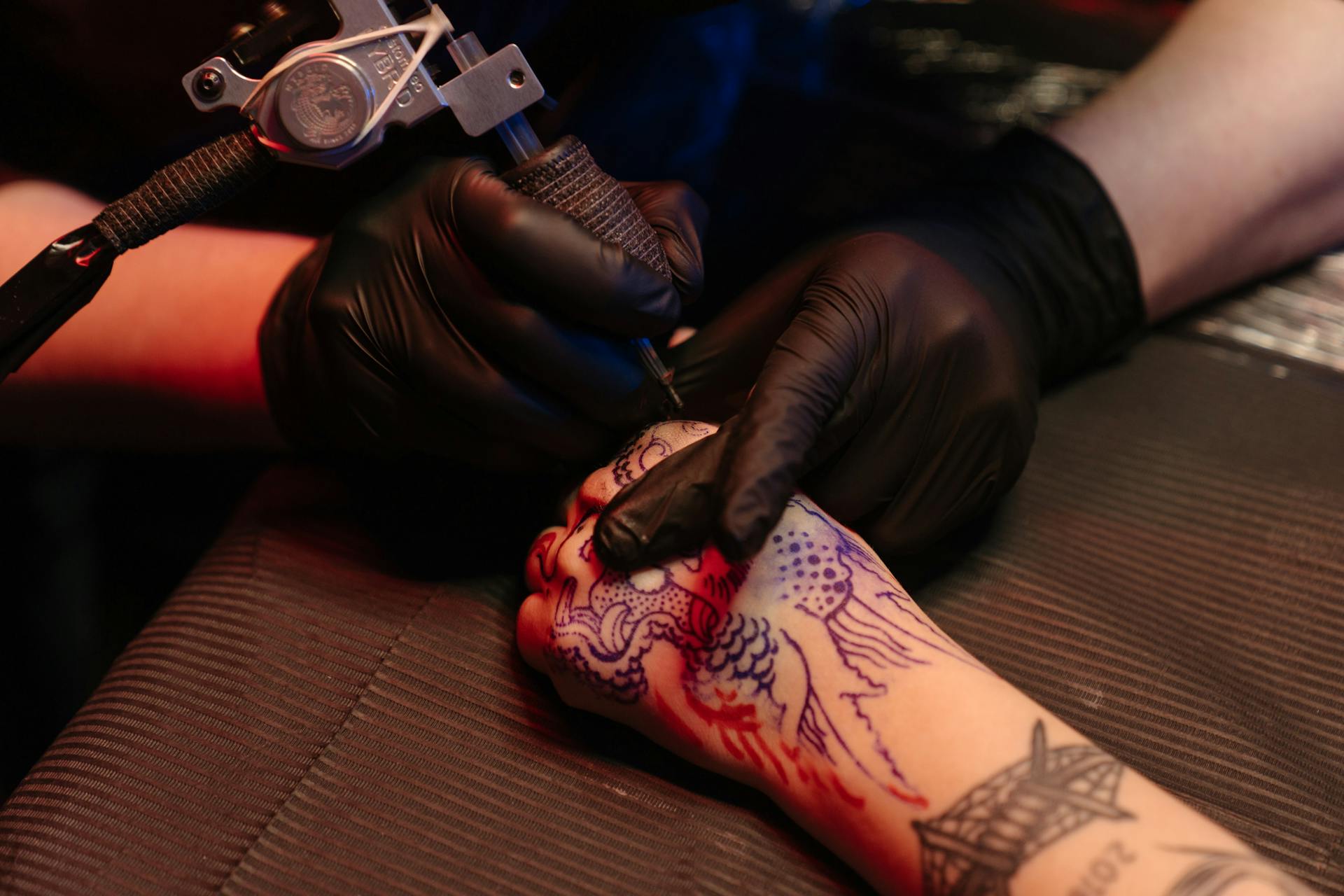
Your final stage is independent tattooing. This matches the last phase of most tattoo apprenticeships, where your trainer lets you run sessions on your own. They still stay nearby for support, but you take full responsibility.
“Ready” in an actual tattoo studio looks like consistency. You pull clean lines without panic. You manage your setup and breakdown the same way every time. You talk clients through designs, pricing, and aftercare with confidence. You also handle mistakes calmly and fix them safely.
Your trainer decides when you can work solo. They watch for repeatable results, safe habits, and good judgment. When those show up, they sign off on your tattoo apprenticeship.
For most people, full independence happens around 18 to 24 months from the start of serious training. That includes early learning and supervised tattooing. Your exact pace may differ, but the stages stay the same.