About the Program
1What is Become a Tattoo Artist (BATA)?
Become a Tattoo Artist (BATA) is a professional training and mentorship organization dedicated to helping aspiring artists launch their tattoo careers. The program combines traditional in-person apprenticeships, virtual interactive sessions, and master mentorship opportunities under experienced tattoo artists — many of whom have been featured on TV shows such as Ink Master. BATA’s mission is to make high-quality tattoo education accessible, guided, and career-focused with real-world outcomes including job placement and industry networking.
2What makes BATA different from other tattoo schools or online courses?
Unlike most online tattoo courses that only teach theory, BATA offers an immersive, hands-on learning experience. Students work directly with established tattoo mentors, train in real studios, and learn on actual clients under supervision. Each apprentice follows a structured path that covers both artistic and business aspects of tattooing — from design fundamentals and color theory to sanitation, client interaction, and portfolio building. The blend of personalized mentorship, live tattooing experience, and guaranteed job offers sets BATA apart as a complete career pathway, not just a training course.
3Who are the mentors in the program?
BATA’s mentors are master tattoo artists with decades of industry experience, including well-known names from TV shows like Ink Master and Tattoo Nightmares. These mentors not only teach tattooing techniques but also share practical insights into building a sustainable tattoo career. They coach apprentices on creative development, hygiene, studio professionalism, and personal brand growth. Each mentor is hand-selected for their artistic excellence, teaching ability, and dedication to the next generation of tattoo artists.
4What are the benefits of joining the BATA apprenticeship?
Joining BATA gives you a structured roadmap to become a licensed, employable tattoo artist. Benefits include:
Guaranteed Job Offer* upon completion (terms apply)
Personalized Mentorship from experienced tattoo professionals
Hands-On Training in licensed tattoo studios
Access to Global Opportunities, including international artist exchange programs
Career Guidance and Portfolio Support to launch your professional journey
This approach ensures students not only learn the craft but also build a viable career foundation.
5What is the difference between the traditional and virtual apprenticeship programs?
The Traditional Tattoo Apprenticeship is an in-person, studio-based experience where students train side-by-side with mentors in real tattoo shops. It’s ideal for those who prefer direct interaction and hands-on tattooing.
The Virtual Interactive Starter Apprenticeship delivers live, guided instruction online — perfect for students who need flexibility or are located far from a physical studio. Both programs are interactive, instructor-led, and career-oriented, ensuring a complete learning experience whether online or in-person.
Admissions & Application Process
1Who can apply to become a tattoo apprentice?
Anyone passionate about tattooing and art can apply. BATA welcomes beginners, hobby artists, and career changers. While artistic background helps, no prior tattoo experience is required. The main requirements are dedication, commitment to learning hygiene and safety protocols, and willingness to train under professional supervision. Applicants must also be at least 18 years old and able to meet local licensing regulations.
2How do I apply for the program?
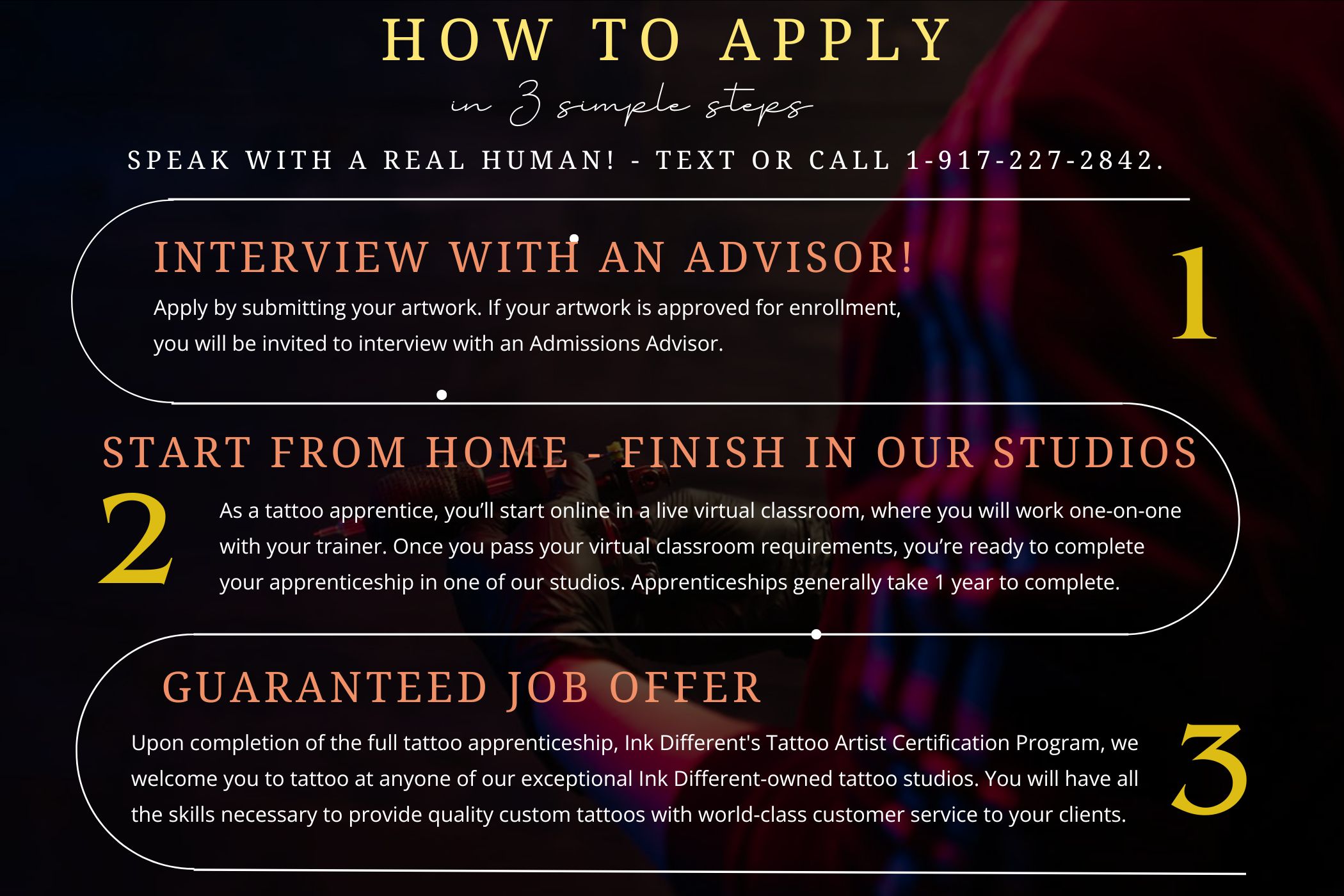
Applying is simple: visit becomeatattooartist.com and click “Apply Now.” You’ll complete a short form providing your name, contact details, and preferred location or program. After submission, a BATA Apprentice Advisor will reach out to discuss your goals, explain the available options, and help you complete the enrollment process. The team also reviews your eligibility for financing or scholarship opportunities during this stage.
3What happens after I submit my application?
Once your application is received, a BATA advisor will contact you to schedule an introductory call. During this conversation, you’ll discuss your artistic goals, preferred learning format, location, and available start dates. You’ll also receive information about tuition, financing, and how the guaranteed job offer works. Once you’re accepted, you’ll be paired with a mentor and begin orientation.
4Are there limited slots for each program?
Yes. Each apprenticeship intake is limited to maintain small mentor-to-student ratios and ensure personalized training. Because of this, spots can fill up quickly — especially for high-demand cities like Miami, Los Angeles, or Austin. Applying early increases your chance of securing your preferred schedule and location.
5Can international students join BATA?
Yes! BATA accepts international students and even offers an International Artist Exchange Program, allowing participants to train at partner studios in the Caribbean, Colombia, Spain, or Portugal. International students receive the same quality mentorship and support as local apprentices, and the program helps them understand global tattooing standards and regulations.
Tuition, Financing, and Job Offers
1How much does the apprenticeship program cost?
Tuition costs vary depending on the program type (traditional or virtual) and location. BATA customizes pricing based on each student’s path, so exact figures aren’t published online. However, every applicant receives a detailed cost breakdown after their consultation. The organization also offers loan options and flexible payment plans, making professional tattoo training accessible to more aspiring artists.
2Does BATA offer financing or scholarships?
Yes. BATA promotes a Guaranteed Loan Offer, meaning students who qualify can finance their tuition through partner lenders or payment programs. This allows aspiring tattoo artists to start training without upfront financial barriers. Occasionally, scholarships or promotional discounts may also be available — applicants are encouraged to inquire during their advisor call.
3What does the “Guaranteed Job Offer” mean?
BATA’s “Guaranteed Job Offer” means that upon successful completion of your apprenticeship, you’ll be offered a job placement within one of the organization’s partner studios. This ensures a smoother transition from training to employment. While terms and eligibility criteria apply (such as satisfactory progress and certification), it demonstrates BATA’s confidence in its students’ readiness to join the professional tattoo industry.
4What is the earning potential for tattoo artists?
First-year tattoo artists in the U.S. earn an average of $51,511, while experienced professionals can make over $100,000 annually. Top artists with loyal clients or unique styles can earn significantly more. Income can also vary based on location, clientele, and whether you work independently or in a studio. The apprenticeship helps position graduates to reach these income levels faster through skill development and career placement.
5Do I need to pay for this apprenticeship?
Tattoo apprenticeships across the industry vary widely—some are free, some require labor exchange, and others cost thousands.
At BATA, we’re upfront about every detail. If there is tuition involved, we’ll walk you through:
What’s included
Whether equipment is provided
Your payment options
Our refund and cancellation policies
No surprises. Ever.
Curriculum and Training Experience
1What skills will I learn during the apprenticeship?
Students learn comprehensive tattooing skills, including:
Proper machine handling and needle selection
Tattoo linework, shading, and color blending
Sanitation and infection control
Client communication and design consultation
Business and branding strategies for tattoo artists
The curriculum blends theory, observation, and supervised practice, ensuring that graduates leave with both artistic mastery and professional competence.
2Will I tattoo real clients during the program?
Yes, students in the in-person apprenticeship gain practical experience working on live clients under professional supervision. This hands-on exposure is crucial to developing confidence, technique, and safety habits. Virtual apprentices work through interactive exercises, drawing drills, and simulated tattoo scenarios until they transition to in-studio training.
3How long does it take to complete the program?
Program length depends on the student’s pace, location, and chosen format. On average, most apprenticeships range from several months to a year. Students move through structured milestones — from hygiene certification to machine technique and live tattooing — ensuring steady progression toward professional readiness.
4What kind of portfolio will I build?
Each apprentice develops a professional tattoo portfolio showcasing completed artwork, client tattoos, and design projects. Mentors guide students in documenting their best work for studio applications, exhibitions, and social media promotion. Graduates often leave with a body of work strong enough to secure employment or launch their own studio.
5Are hygiene and safety covered in the training?
Absolutely. Hygiene and infection control are core components of every BATA program. Apprentices learn about cross-contamination prevention, equipment sterilization, bloodborne pathogen standards, and local licensing regulations. BATA’s emphasis on safety ensures students meet or exceed professional and legal standards — protecting both artist and client.
6Do I need to buy my own equipment?
Equipment policies vary by program. Some packages include starter kits with machines, inks, and needles, while others require students to bring or purchase their own professional tools. During orientation, mentors provide a detailed list of required materials and trusted suppliers to ensure quality and compliance.
7How long is the apprenticeship, and what is its structure?
How long is the apprenticeship, and what is its structure?
Every apprenticeship is different, but at BATA, we believe in structure, clarity, and transparency. You’ll never be kept as an apprentice indefinitely.
Our apprenticeship is designed with:
A clear starting point so you know exactly when training begins
Milestones and benchmarks that guide your progress
A step-by-step path that takes you from observing → practicing → tattooing real clients
Your growth is measured, supported, and celebrated at every stage.
8Which artist will be responsible for mentoring me?
You will have a dedicated mentor—not a revolving door of artists.
Before you start, you’ll know:
Who you’ll be learning from
Their tattoo style and experience
Their teaching approach
How they’ll support your growth
Good mentorship is the foundation of a successful apprenticeship, and we take that seriously.
9Will I get hands-on experience tattooing real people, and how soon?
Yes. While you will start with drawing and synthetic skin practice, your apprenticeship is designed to get you tattooing real people under supervision as soon as you’re ready.
You’ll gain experience by:
Practicing on fake skins
Shadowing your mentor
Working with live models
Learning on real clients in a controlled, supportive environment
We guide you every step of the way.
10Will I need to bring my own tattoo equipment and supplies?
Equipment varies by program, but we make expectations clear from day one.
You will know exactly:
Which tools and supplies the shop provides
What items you’ll eventually want to invest in
How to choose the right gear as you grow
We help you build your setup responsibly and affordably.
11What will my day-to-day responsibilities be as an apprentice?
Your apprenticeship is both educational and hands-on. A typical day includes:
Supporting shop cleanliness and setup
Shadowing consultations and tattoo sessions
Practicing drawing, stencils, and prep work
Participating in training sessions
Building your portfolio
Many apprentices juggle other responsibilities, so we help you understand how to balance your schedule.
Locations and Global Opportunities
1Where are BATA’s training locations?
BATA offers apprenticeships in 40+ U.S. cities, including Atlanta, Dallas, Miami, Los Angeles, New York, Denver, Chicago, and more. Each location is a licensed tattoo studio equipped for live training. Availability may vary per intake, so it’s best to confirm your desired location during application.
2What is the International Artist Exchange Program?
This program allows graduates and advanced apprentices to travel and tattoo abroad. Partner studios in the Caribbean, South America, and Europe provide immersive cultural and artistic experiences, helping artists expand their portfolios and network globally. It’s a unique opportunity to build a diverse tattoo career and experience different tattooing styles worldwide.
3Can I talk to a current or former apprentice about their experience?
Absolutely. We encourage it.
Speaking with someone who’s been through the program is one of the best ways to understand what your journey will look like. A reputable shop welcomes transparency—and so do we.
4How many apprentices are currently training in the shop?
We keep our apprentice-to-mentor ratio manageable.
Too many apprentices can mean less attention and slower progress. We make sure you receive consistent guidance, feedback, and support.
Career and Licensing
1Will I become a licensed tattoo artist after completing the program?
Yes — BATA’s apprenticeships are designed to meet the requirements for professional tattoo licensing in most U.S. states. However, licensing is regulated locally, so apprentices may need to complete additional paperwork or certification depending on jurisdiction. BATA mentors guide students through this process to ensure they meet all necessary legal standards.
2What career support does BATA provide after graduation?
Graduates receive job placement assistance, access to partner studios, and ongoing mentorship. The team helps with resume building, portfolio presentation, and client marketing strategies. Many graduates also stay connected through the BATA alumni network for collaboration and continued learning opportunities.
3Can I open my own tattoo studio after completing the apprenticeship?
Yes — many BATA graduates go on to open their own tattoo studios or operate as independent artists. The program’s combination of artistry, professionalism, and business training equips students with the skills to manage a successful tattoo business.
4Will I receive a license or certification after completing the apprenticeship?
Licensing requirements differ by state and county, but our apprenticeship prepares you for everything you need to meet health department standards.
We guide you through:
Sanitation and compliance training
Bloodborne pathogen certification
Licensing paperwork
Health department inspections
You’ll graduate prepared, confident, and qualified.
5What happens if the apprenticeship doesn’t work out?
Before you begin, we walk you through expectations, communication standards, and our exit policy.
If the apprenticeship isn’t the right fit, you’ll know exactly:
What your options are
Whether any financial obligations remain
How to transition out smoothly
We believe in clarity and honesty from the start.
General Tattoo Questions
1How do tattoo artists practice when they're just starting out?
New artists practice by:
Drawing constantly
Working on synthetic skins
Tattooing live models under supervision
This helps build skill, consistency, and confidence safely.
2Does it hurt more to be tattooed with a large or small needle?
Pain varies by placement and tolerance, but generally:
Large needle groupings feel heavier and more intense
Small needles feel sharper and more concentrated
Your artist will explain what to expect based on your design.
3What’s your policy on tattooing intoxicated clients?
We do not tattoo anyone under the influence.
Intoxication affects judgment, thins blood, increases risks, and leads to poor healing.
4What’s a common mistake tattoo clients make?
Skipping or ignoring aftercare.
Following your artist’s aftercare instructions is essential for healing, color retention, and avoiding complications.
5What happens if an artist makes a mistake while tattooing?
Small mistakes can often be corrected through:
Touch-ups
Adjustments
Cover-ups
Major issues are rare—especially in a supervised environment like ours.
6Do clients ever cry while getting a tattoo?
Yes, it happens! Some clients tear up or get emotional—especially in sensitive areas.
It’s completely normal and nothing to be embarrassed about.
7What are the most and least painful places to get tattooed?
Most painful areas: ribs, spine, feet, sternum, armpits
Least painful areas: thighs, upper arms, calves, outer shoulders
Your artist will walk you through what to expect.
8How do artists feel about giving facial tattoos?
Facial tattoos are a big decision.
Many artists approach them with caution due to the visibility and long-term impact. Those who specialize in them handle the process carefully and responsibly.
9Should clients take a painkiller before a tattoo?
We do not recommend taking aspirin or other blood-thinning painkillers before your session, as they can increase bleeding.
If you’re unsure, ask your artist first.
10What do most people not realize about life as a tattoo artist?
Tattooing is incredibly rewarding, but it’s more than just making art.
Artists also handle:
Long hours
Client communication
Shop responsibilities
Business operations
Continued education and practice
It’s a craft and a career—not just a hobby.
11What’s the most memorable tattoo you’ve done?
Every artist has that one unforgettable piece—usually something meaningful, unique, or connected to a powerful story. These moments shape our journey as artists and remind us why we love what we do.
Contact and Support
1How can I contact BATA for more information?
You can contact the Become a Tattoo Artist team through:
Website: becomeatattooartist.com
Email: info@becomeatattooartist.com
Phone: +1-917-227-2842
Their support team can answer questions about admissions, payment options, and available training locations.
2Can I visit a studio before enrolling?
Yes. Potential students can schedule a studio tour or consultation to meet mentors and observe apprentices in action. This gives applicants a clearer idea of the training environment and daily studio workflow before enrolling.
3What if I need to reschedule or cancel my enrollment?
BATA has a formal rescheduling and refund policy, which varies based on program type and payment method. Students should discuss cancellation terms and refund eligibility with their advisor before signing their enrollment agreement to understand all options.
4Does BATA offer ongoing support after the apprenticeship ends?
Yes, BATA’s mentorship continues beyond graduation. Alumni often receive guidance in refining techniques, building clientele, or even joining international collaborations. Many mentors stay in touch through online communities, helping graduates sustain long-term growth in their tattoo careers.
5How can I stay updated on upcoming events or seminars?
You can follow BATA’s official website, join their mailing list, or follow their social media pages for updates on seminars, conventions, and advanced workshops. Events such as the Ink Americana Seminar highlight networking opportunities with top tattoo artists and educators.

ARTIST SPOTLIGHT
Become a Tattoo Artist in USA
Join the $2.2B Tattoo Economy – Your Journey to Artistic Success Starts Here!
The tattoo industry is booming, with a global market value of $2.2 billion and growing. It offers endless opportunities for aspiring artists to turn their passion into a lucrative career. From creative expression to financial independence, the industry is thriving like never before.
$51511
Average First-year Income of a Tattoo Artist in USA
21000+
Tattoo Studios in USA and Growing !
$106868
According to Zip Recruiter, Average Annual Income of a Tattoo Artist in USA